- Address: Al-Jubail Industrial Area, Al-Jubail. ETLCO-PO Box 10113
- Hot Link:+966 50 333 2637
 English
 العربية

Environmental Laboratory
ETLCO’s Environmental Laboratory provides comprehensive testing of water, wastewater, soil, sediment, and waste to assess quality and identify contaminants.
 Field Sampling & Testing
Water Quality Testing
Soil Testing and Analysis
Organic Pollutants Testing
Hazardous Waste Testing & Characterization
Metallic Constituent Analysis
Microbiological Testing
Contaminated Land and Remediation Plan Services
Services
Environmental Laboratory
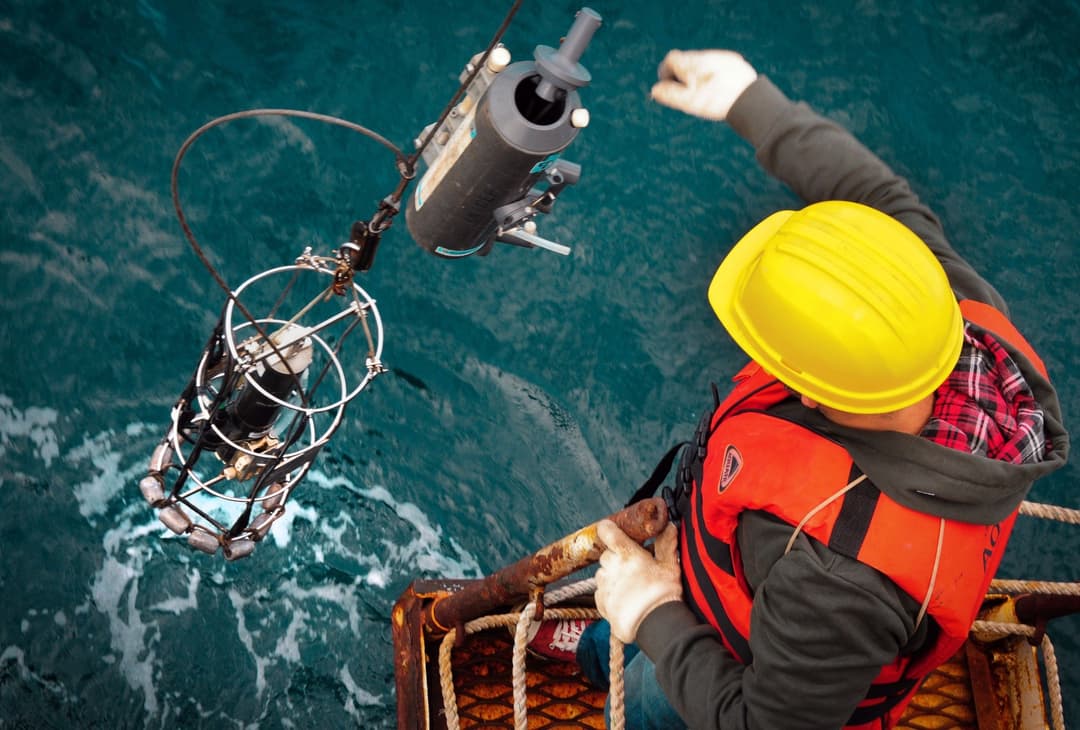

Field Sampling & Testing
Environmental Field Sampling and Testing Services
Reliable laboratory results begin with properly collected and handled samples.
Environmental Testing and Laboratories Company (ETLCO) provides environmental field sampling, sample pickup, and on-site testing support for industrial facilities, utilities, contractors, and environmental projects across Saudi Arabia.
Our field teams support the collection of water, wastewater, soil, sludge, sediment, and waste samples. Each sampling program is coordinated around the project objectives, site conditions, analytical requirements, and agreed schedule.
Through close collaboration between project management, sample coordinators, and laboratory personnel, we help clients organize sampling activities and deliver samples for analysis within the required handling and holding-time conditions.
Field Support Built Around Your Project
A successful sampling event requires more than collecting a sample. Site access, sampling locations, containers, preservation, transport, and laboratory readiness all need to be coordinated.
ETLCO’s field support helps clients:
Plan sampling activities around operational and project schedules.
Select sampling approaches suited to the material and testing objectives.
Coordinate access to designated sampling locations.
Confirm containers, sample quantities, and preservation requirements.
Document sample identification and collection details.
Maintain traceability from collection through laboratory receipt.
Arrange sample pickup and transport under agreed conditions.
Our Environmental Sampling Services
Groundwater Well Sampling
ETLCO provides groundwater sampling to support environmental monitoring, baseline studies, and contamination investigations.
The sampling approach is selected according to well construction, groundwater conditions, target parameters, and project requirements. Field observations and relevant sampling details are recorded to support interpretation of the analytical results.
Dewatering Well Sampling
We collect samples from dewatering wells and associated discharge points to support water quality assessment during construction and groundwater control activities.
Testing requirements can be aligned with the project’s intended discharge route, treatment arrangements, and specified monitoring criteria.
Surface Water Sampling
ETLCO supports sampling from rivers, lakes, reservoirs, channels, and other surface water bodies.
Sampling locations and timing are planned around the study objectives, site accessibility, and conditions that may influence the results. Services support baseline assessments, periodic monitoring, and investigations into suspected contamination.
Industrial Wastewater Sampling
We collect industrial wastewater samples from designated process, treatment, and discharge locations.
Sampling can support characterization of wastewater, evaluation of treatment performance, and comparison with applicable project criteria. Grab or composite sampling is considered according to the target parameters and monitoring requirements.
Sanitary Wastewater Sampling
ETLCO provides sampling of sanitary wastewater and treated effluent to support treatment plant monitoring and operational assessments.
Sampling points may include influent, intermediate treatment stages, and final effluent, depending on the agreed scope.
Soil Sampling
We collect soil samples to support environmental site assessments, contamination investigations, and remediation verification.
Sampling locations, depths, and collection procedures are defined according to the purpose of the study and the expected distribution of contaminants.
Sludge and Sediment Sampling
ETLCO provides sampling of treatment sludge and environmental sediments for physical and chemical analysis.
The collection approach accounts for material consistency, access, sampling depth, and analytical requirements. These services support characterization, contamination assessment, and waste management evaluations.
Solids and Non-Aqueous Waste Sampling
We support the sampling of solid materials and non-aqueous waste streams associated with industrial processes and environmental projects.
The sampling plan considers material variability and the need to obtain samples appropriate to the assessment objective, while preserving the characteristics relevant to laboratory testing.
Hazardous Industrial Waste Sampling
ETLCO provides sampling support for hazardous industrial waste characterization, subject to review of the material’s known hazards and site conditions.
Before mobilization, our team reviews available process information and safety documentation to confirm the sampling approach, required equipment, and handling arrangements.
Drinking Water Network Sampling
We collect samples from designated points within drinking water networks to support water quality monitoring and investigations.
Sampling procedures, containers, and preservation requirements are selected according to the requested chemical or microbiological analyses.
Seawater Intake, Desalination, and Outfall Sampling
ETLCO supports sampling at seawater intakes, desalination facilities, and marine discharge locations.
Programs can include feedwater, process streams, product water, brine, and receiving-water samples, according to the agreed scope. Sampling locations and timing are coordinated with facility operations, access arrangements, and marine conditions.
On-Site Measurements and Field Testing
Some water quality parameters are best assessed at the sampling location because they can change during storage and transport.
Depending on the project scope and equipment availability, field measurements may include parameters such as temperature, pH, electrical conductivity, dissolved oxygen, and other specified indicators.
Required measurements, methods, and reporting arrangements are confirmed before mobilization.
Sample Pickup and Laboratory Coordination
Coordinated Collection and Delivery
ETLCO offers sample pickup for client-collected samples, with arrangements agreed according to location, sample type, and laboratory requirements.
Our coordinators help confirm that samples are accompanied by the necessary information and delivered under suitable conditions. For time-sensitive analyses, collection and transport schedules are planned around the applicable holding times.
Sample Identification and Chain of Custody
Clear identification and documentation support traceability throughout the sampling and testing process.
Depending on the project, records may include:
Sample identification and sampling location.
Collection date and time.
Sample type and requested analyses.
Relevant field observations and measurements.
Preservation details.
Chain-of-custody information and sample handover records.
Containers, Preservation, and Transport
Container selection and preservation depend on the requested analysis. Our team provides guidance before sampling so that collection and transport arrangements are appropriate for the tests.
Sample condition is reviewed upon laboratory receipt, and any issue that may affect analysis is addressed through the laboratory’s acceptance process.
Support for Routine Monitoring and Special Projects
ETLCO’s field services support:
Environmental baseline studies.
Routine facility monitoring.
Groundwater and dewatering assessments.
Water and wastewater treatment investigations.
Contaminated land and remediation projects.
Waste characterization programs.
Drinking water quality monitoring.
Desalination and marine monitoring activities.
Additional sampling requirements can be discussed with our team and assessed against project needs and site conditions.
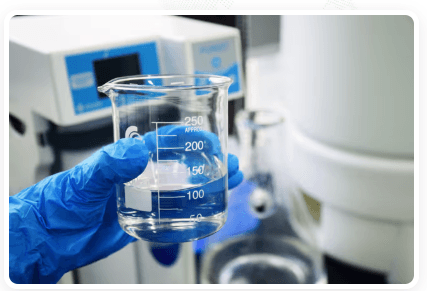
Water Quality Testing
Water Quality Testing and Analysis
Understand your water quality. Identify contaminants. Make informed decisions for your operations and the environment.
Environmental Testing and Laboratories Company (ETLCO) provides water sampling and laboratory analysis to evaluate the chemical, physical, and microbiological characteristics of water. As an experienced water testing company, ETLCO supports clients with testing programmes tailored to their operational and environmental requirements.
Our services cover drinking water, wastewater, groundwater, seawater, and other water matrices. We help industrial operators, water treatment facilities, environmental consultants, and agricultural clients assess water quality, investigate contamination, and evaluate suitability for intended uses.
Each testing programme is tailored to the water source, project objectives, and applicable assessment criteria.
Water Testing for Your Application
Water quality requirements vary according to how the water will be used, treated, reused, or discharged. ETLCO helps clients select relevant tests and obtain results that support practical decisions. Our water inspection and laboratory testing services help assess water conditions, identify potential contamination, and support informed water management decisions.
Our services support:
-
Drinking water assessment: Evaluate selected chemical, physical, and microbiological indicators in water supplies, storage systems, and distribution networks.
-
Wastewater monitoring: Characterise industrial and sanitary wastewater, assess treatment performance, and support discharge or reuse evaluations.
-
Groundwater investigations: Establish baseline conditions, investigate potential contamination, and monitor changes over time.
-
Seawater assessment: Support coastal environmental monitoring and assessments associated with seawater intakes, desalination facilities, and outfalls.
-
Industrial water management: Assess water quality against requirements relevant to specific processes and operational needs.
-
Agricultural applications: Evaluate selected water quality parameters relevant to irrigation and agricultural use.
Our Water Quality Testing Parameters
ETLCO offers a broad range of analyses, with the testing scope selected according to the sample matrix and intended application.
Physical and general chemical parameters
-
pH
-
Turbidity
-
Dissolved Oxygen (DO)
-
Total Dissolved Solids (TDS)
These measurements support the characterisation of water and the investigation of changes in its quality.
Organic load indicators
-
Biochemical Oxygen Demand (BOD)
-
Chemical Oxygen Demand (COD)
These parameters support wastewater characterisation and the assessment of treatment performance.
Nutrients and dissolved ions
-
Nitrates
-
Phosphates
-
Chlorides
Testing supports the evaluation of nutrient levels and dissolved constituents relevant to environmental monitoring, treatment, and intended water use.
Metals and organic contaminants
-
Heavy Metals
-
Volatile Organic Compounds (VOCs)
-
Semi-Volatile Organic Compounds (SVOCs)
-
Total Petroleum Hydrocarbons (TPH)
-
Total Chlorinated Hydrocarbons (TCH)
-
Trihalomethanes (THMs)
-
Pesticides
The target compounds, analytical methods, and reporting limits are defined according to the project requirements and suspected contamination sources.
Microbiological parameters
-
Microbial Contaminants
Microbiological testing targets agreed organisms or indicator groups to support water quality monitoring, contamination investigations, and treatment assessments.
From Sampling to Clear Results
ETLCO combines sampling, laboratory analysis, and interpretation of results to provide a coordinated water testing service.
-
Review your requirements: Define the water source, intended use, testing objectives, and relevant specifications.
-
Coordinate sampling: Establish sample collection arrangements, suitable containers, preservation requirements, and transport conditions.
-
Perform laboratory analysis: Analyse the agreed parameters using methods appropriate to the water matrix and project scope.
-
Report and interpret findings: Present results clearly and, where agreed, compare them with specified limits or assessment criteria.
Sampling locations, timing, and sample handling are considered as part of the programme to help obtain results relevant to your objectives.
Data That Supports Better Water Management
Whether you need routine monitoring or an investigation into unexpected water quality changes, ETLCO provides analytical information to support:
-
Identification of selected contaminants.
-
Evaluation of water treatment performance.
-
Assessment of suitability for a specified use.
-
Review of discharge and reuse requirements.
-
Planning of corrective actions and follow-up monitoring.
-
Environmental reporting and compliance assessment.
Results reflect the samples collected and the parameters tested. A testing programme aligned with the intended use provides a stronger basis for evaluating water quality and tracking changes over time.
Discuss Your Water Testing Requirements
Send ETLCO details of your water source, intended use or discharge route, sample quantity, required parameters, and any applicable project specifications. Include information about suspected contamination or recent changes in water quality, where available.
Our team will help define the testing scope, confirm sampling requirements, and prepare a technical and commercial proposal.
For clients seeking local testing services, ETLCO can also address location-specific requirements for water quality testing in Dammam and water testing laboratory in Riyadh, subject to service availability in those locations.

Soil Testing and Analysis
Soil Testing and Analysis
Understand your soil. Identify contamination. Make informed land management decisions.
Environmental Testing and Laboratories Company (ETLCO) provides soil sampling and laboratory analysis to help clients assess soil quality, investigate contamination, and evaluate suitability for intended uses.
From environmental assessments and land development to agricultural soil management, our services provide data to support project planning, environmental protection, and the evaluation of applicable regulatory requirements.
We tailor the testing scope to your site history, intended land use, and project objectives.
Soil Analysis for Your Project
Soil conditions can vary across a site and at different depths. A sampling and testing programme helps establish existing conditions, identify areas requiring further investigation, and guide practical management decisions.
ETLCO’s soil testing services support:
Environmental assessments: Establish baseline soil conditions and investigate potential contamination.
Land development: Assess environmental soil quality before redevelopment or changes in land use.
Agricultural management: Evaluate nutrient status and soil properties relevant to crop production.
Remediation projects: Characterise affected soil and assess changes following treatment.
Environmental monitoring: Track selected soil quality indicators over time.
Regulatory submissions: Provide analytical data for comparison with applicable project criteria.
Our Soil Testing Parameters
ETLCO offers a range of soil analyses, with parameters selected according to the purpose of the investigation.
pH: Assess soil acidity or alkalinity to support the evaluation of soil conditions and nutrient availability.
Organic Matter: Evaluate organic material content as part of soil quality and management assessments.
Total Organic Carbon (TOC): Measure organic carbon content to support soil characterisation and environmental studies.
Nitrogen (N): Assess nitrogen levels as part of soil fertility and nutrient management programmes.
Phosphorus (P): Evaluate phosphorus content to support agricultural assessments and fertiliser planning.
Potassium (K): Assess potassium levels relevant to soil fertility and crop nutrient requirements.
Heavy Metals: Determine concentrations of selected metals to investigate contamination and compare results with relevant assessment criteria.
Salinity: Evaluate salt levels that may affect soil use, irrigation planning, and plant growth.
Moisture Content: Determine the amount of water present in the sample to support soil characterisation.
Cation Exchange Capacity (CEC): Assess the soil’s capacity to retain and exchange positively charged ions, supporting the evaluation of nutrient retention.
The selected analytical method and reporting basis are agreed according to the project’s needs, particularly where total and plant-available nutrient measurements serve different purposes.
From Soil Sampling to Results
ETLCO brings together soil sampling, laboratory analysis, and interpretation of results to support informed decisions.
Our process includes:
Scope review: Understand the site, intended use, potential contamination sources, and required parameters.
Sampling coordination: Plan sample collection, identification, handling, and delivery to the laboratory.
Laboratory analysis: Test the agreed soil parameters using methods appropriate to the samples and project objectives.
Reporting and interpretation: Present findings clearly and, where agreed, compare results with specified assessment criteria.
Practical Data for Sustainable Land Use
Whether you are investigating a potentially contaminated site, planning a development, or evaluating agricultural soil, ETLCO helps you understand the results relevant to your next decision.
Our services support the identification of soil management priorities, the planning of further investigations, and the evaluation of remediation or nutrient management needs. Testing provides evidence for these decisions and supports compliance assessment within the agreed scope.
Discuss Your Soil Testing Requirements
Send ETLCO your site location, intended land use, sample quantity, required parameters, and any relevant project specifications. For contamination investigations, include available information about previous site activities and suspected pollutants.
Our team will help define the testing scope, confirm sampling requirements, and prepare a technical and commercial proposal.
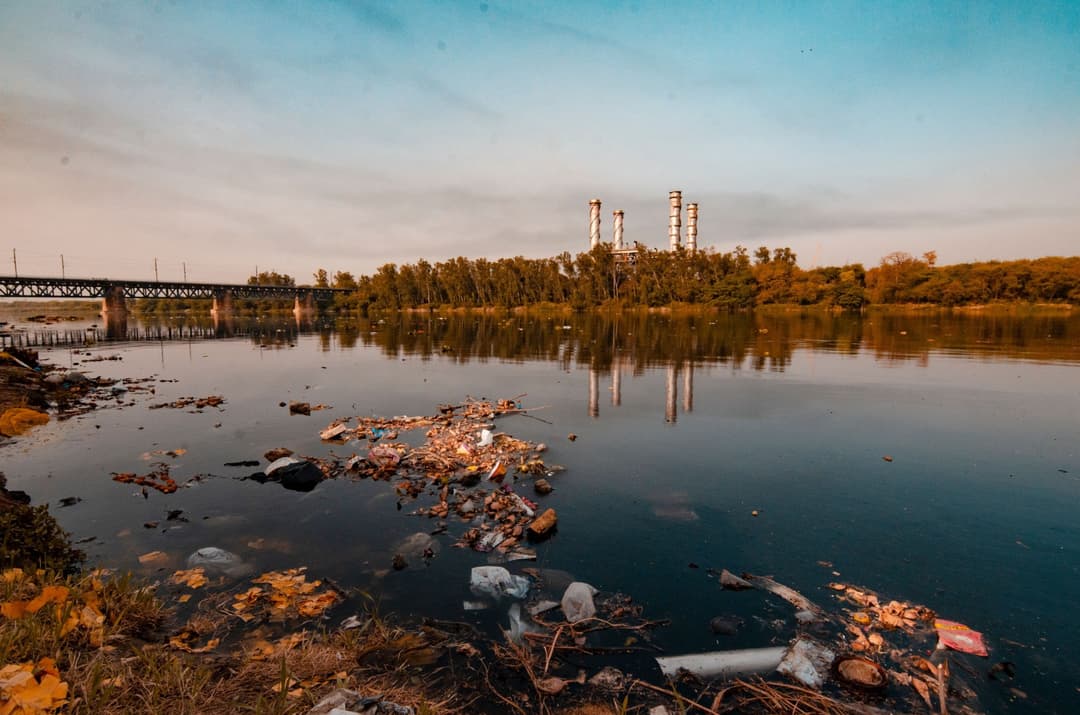
Organic Pollutants Testing
Organic Pollutants Testing
Identify organic contaminants. Understand environmental conditions. Support informed treatment and remediation decisions.
Environmental Testing and Laboratories Company (ETLCO) provides organic pollutants testing for water, wastewater, soil, and solid samples to support industrial facilities, environmental consultants, contractors, and municipal projects across Saudi Arabia.
Our Environmental Laboratory analyzes organic compounds associated with fuels, solvents, industrial chemicals, pesticides, and other potential contamination sources. Results support environmental monitoring, contamination investigations, treatment assessments, and site remediation projects.
Whether you require a defined list of compounds or screening to investigate unexpected contamination, we tailor the analytical scope to your sample type and project objectives.
Why Test for Organic Pollutants?
Organic contaminants differ in their toxicity, persistence, volatility, and movement through the environment. Identifying the relevant compounds and measuring their concentrations helps establish the nature of contamination and determine appropriate next steps.
Organic pollutants testing helps clients:
Investigate contamination associated with spills, leaks, and industrial activities.
Assess water, wastewater, soil, and solid sample quality.
Compare results with applicable project criteria.
Evaluate changes before and after treatment.
Support contaminated site investigations and remediation verification.
Establish baseline conditions and monitor trends.
Investigate compounds beyond a routine target list, where appropriate.
Our Organic Pollutant Testing Capabilities
Volatile Organic Compounds — VOCs
ETLCO provides VOC analysis to investigate selected compounds that readily transfer into the gas phase, including substances associated with fuels and industrial solvents.
Testing supports contamination investigations and routine monitoring. The target compound list, reporting limits, and sample handling requirements are defined before analysis.
Semi-Volatile Organic Compounds — SVOCs
SVOC analysis evaluates selected organic compounds with lower volatility than typical VOCs. These compounds may be associated with industrial chemicals, petroleum-related contamination, and other environmental sources.
The analytical scope is selected according to the sample matrix, suspected contaminants, and assessment requirements.
BTEX Analysis
BTEX testing measures benzene, toluene, ethylbenzene, and xylenes—compounds commonly included in investigations involving petroleum fuels and certain solvents.
This analysis supports assessments of suspected contamination in water, soil, and other suitable matrices.
Total Petroleum Hydrocarbons — TPH
TPH analysis helps assess petroleum-related contamination in water, soil, and solid samples.
ETLCO offers aggregate and fractionated TPH testing, with the reporting approach defined according to the selected method and project requirements. This may include reporting within agreed hydrocarbon ranges.
Because TPH results depend on the analytical method and the range measured, these details are established before testing to support meaningful interpretation and comparison.
Organic Solvents
Targeted solvent analysis helps investigate compounds associated with cleaning, degreasing, manufacturing, and chemical processing.
Testing can focus on specific suspected solvents or an agreed group of compounds, depending on the information available about the contamination source.
Phenols
Phenol testing supports the investigation of selected phenolic compounds in environmental and industrial samples. The required scope may involve individual compounds or a method-defined group parameter, depending on the assessment objective.
Pesticides and Herbicides
ETLCO provides analysis for selected pesticides and herbicides relevant to the sample source and project requirements.
The requested compounds and reporting limits are reviewed before testing to ensure that the analytical program addresses the intended investigation.
Polychlorinated Biphenyls — PCBs
PCB testing supports investigations involving potentially contaminated materials and environmental samples.
The reporting basis and target scope are agreed in advance, as different analytical approaches provide different types of PCB information.
Trihalomethanes — THMs
THM analysis measures selected compounds that can form during the disinfection of water containing organic matter.
Testing supports water quality assessments and investigations into disinfection by-products, using methods appropriate to the sample and intended purpose.
Total Organic Carbon — TOC
TOC measures organic carbon as an overall indicator of organic content. It can support water quality monitoring, treatment assessment, and process investigations.
TOC complements compound-specific testing; it does not identify individual pollutants or establish their toxicity.
Investigation of Tentatively Identified Compounds — TICs
Additional Insight Beyond the Target List
Where requested and suitable for the analysis, ETLCO performs GC-MS mass spectral library searches to investigate non-target peaks observed during VOC and SVOC analysis.
This screening can provide tentative identifications that help guide further investigation when the contamination source is uncertain.
TIC results are reported as tentative identifications, with estimated concentrations where appropriate. Confirmation may require reference standards and additional targeted testing.
Analytical Instrumentation
ETLCO’s organic analysis capabilities include:
Gas chromatography–mass spectrometry (GC-MS): For the separation and identification of suitable organic compounds.
Purge-and-trap sample introduction (P&T): For applicable volatile organic analyses.
Gas chromatography with flame ionization detection (GC-FID): For suitable hydrocarbon and non-halogenated organic measurements.
Headspace sample introduction (HS): For applicable volatile compound testing.
Automated samplers: To support consistent sample introduction and efficient analytical workflows.
The instrument configuration and preparation technique are selected according to the sample and target analytes.
Recognized Analytical Methods
ETLCO uses recognized methodologies appropriate to the requested compounds and sample matrix.
Key method references include:
US EPA SW-846 Method 8260: Volatile organic compounds by GC-MS.
US EPA SW-846 Method 8270: Semi-volatile organic compounds by GC-MS.
US EPA SW-846 Method 8015: Selected non-halogenated organic compounds by gas chromatography.
TPH, TOC, pesticides, herbicides, PCBs, and other requested parameters are assigned suitable methods and preparation procedures according to the agreed scope. The applicable method revision and reporting limits are confirmed during technical review.
Testing Support for Your Project
Environmental Baseline and Routine Monitoring
Establish initial conditions and track selected organic contaminants through planned monitoring programs.
Spill and Contamination Investigations
Assess samples from areas affected by suspected fuel, solvent, or chemical releases to help define the nature and extent of contamination.
Wastewater Treatment Assessment
Compare relevant organic parameters before and after treatment to evaluate changes in the tested constituents.
Soil Investigation and Remediation Verification
Provide analytical data to support contaminated soil assessments and verification against agreed remediation criteria.
Industrial Troubleshooting
Investigate unexpected organic contamination in process-related water, wastewater, or other submitted materials.
Clear Reporting and Agreed Turnaround Times
ETLCO works with clients to establish reporting requirements and turnaround expectations before testing begins.
Depending on the scope, reports can include sample details, analytical results, units, method references, reporting limits, and relevant qualifiers. TIC findings are clearly distinguished from confirmed target-compound results.
Project-specific formats can be discussed to support monitoring schedules, technical reviews, and environmental reporting.
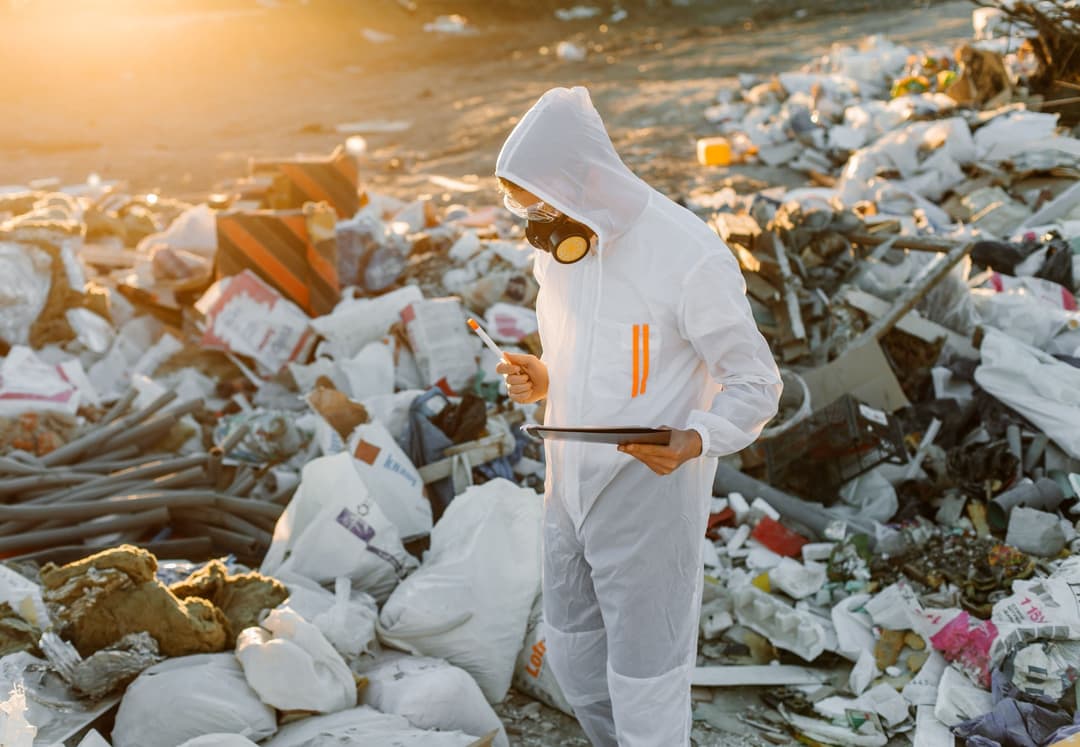
Hazardous Waste Testing & Characterization
Hazardous Waste Testing and Characterization
Understand your waste. Assess its hazards. Plan appropriate treatment and disposal.
Environmental Testing and Laboratories Company (ETLCO) provides hazardous waste testing and characterization to help industrial facilities, petrochemical companies, waste generators, and environmental contractors make informed waste management decisions.
Our Environmental Laboratory evaluates waste composition and relevant hazardous characteristics to support classification, handling, treatment, and disposal planning. We tailor the analytical scope to the waste source, sample matrix, suspected contaminants, and applicable project requirements.
From routine waste profiling to investigations involving an unfamiliar waste stream, ETLCO provides analytical data to support responsible waste management.
Why Test and Characterize Waste?
Waste materials can vary considerably in composition, even when generated by similar processes. Understanding their properties helps determine the precautions and management options appropriate to each waste stream.
Waste characterization helps clients:
Identify chemical constituents and potential contaminants.
Assess characteristics relevant to hazardous waste classification.
Support decisions on segregation, storage, and handling.
Provide information for treatment and disposal evaluations.
Prepare analytical documentation for receiving facilities.
Investigate changes in waste composition following process modifications.
Support applicable environmental and contractual requirements.
Laboratory results form part of the classification process and should be considered alongside knowledge of the generating process and the relevant waste management criteria.
Our Hazardous Waste Testing Capabilities
Toxicity Characteristic Leaching Procedure — TCLP
ETLCO provides TCLP testing using US EPA SW-846 Method 1311 to assess the potential mobility of selected organic and inorganic contaminants in waste.
The procedure produces an extract that is analyzed for the contaminants specified in the testing scope. Results help assess whether those constituents may leach from the waste under the conditions defined by the method.
Depending on project requirements, the analytical scope may include:
Metals.
Volatile organic compounds.
Selected semi-volatile organic compounds.
Pesticides and other specified organic contaminants.
TCLP results and total constituent concentrations provide different information. The appropriate approach is selected according to the classification or waste acceptance question being addressed.
Corrosivity Assessment
Corrosivity assessment evaluates properties relevant to a waste’s potential to corrode materials.
Depending on the waste type and applicable requirements, assessment may include pH measurement or testing for corrosivity toward steel. Results support waste classification and decisions about suitable containment and handling.
Ignitability Assessment
Ignitability testing evaluates characteristics associated with a waste’s potential to ignite under specified conditions.
For suitable liquid wastes, flash point testing can form part of the assessment. Other waste forms require an approach appropriate to their physical properties and the applicable criteria.
Reactivity Assessment
Reactivity assessment considers whether a waste may be unstable, react dangerously with water or other materials, or release hazardous gases under relevant conditions.
The assessment combines available process information, knowledge of the waste’s composition, and appropriate targeted investigations. The approach is defined case by case rather than treated as a single universal laboratory test.
Heavy Metals Analysis
ETLCO analyzes metals in waste samples and prepared extracts to support characterization and contamination assessment.
The target metals, preparation procedure, and reporting limits are selected according to the waste source and project requirements. Total metals analysis and leachable metals analysis are identified separately in the scope and reporting.
Volatile Organic Compounds — VOCs
VOC analysis helps investigate selected volatile contaminants associated with solvents, industrial chemicals, and process residues.
The testing scope is tailored to the waste stream, with particular attention to sample collection, preservation, and handling to minimize losses before analysis.
Pesticides and Other Organic Constituents
Analysis for selected pesticides and other organic contaminants can be included where relevant to the waste’s origin and the assessment objectives.
Our team reviews the requested compounds and sample matrix before testing to establish an appropriate analytical program.
Testing Matched to Your Waste Stream
ETLCO supports the assessment of waste materials such as:
Industrial wastewater and liquid waste.
Wastewater treatment sludge.
Process residues and solid waste.
Contaminated soil and cleanup materials.
Petrochemical and industrial waste mixtures.
Sample acceptance and the testing scope are confirmed after reviewing the material’s composition, physical form, and known hazards.
Recognized Methods and Applicable Requirements
ETLCO uses US EPA SW-846 methods and suitable EPA methods for aqueous matrices, selected according to the waste type and required analysis.
For projects referencing the Royal Commission Environmental Regulations, including RCER 2015 where specified, the applicable edition, assessment criteria, and receiving facility requirements are reviewed when defining the testing scope.
This approach aligns the analytical work with the requirements relevant to the project. Use of an EPA method does not, by itself, establish compliance with every local classification or disposal requirement.
Support for Waste Management Decisions
Waste Classification and Profiling
Obtain analytical information to support waste profiles and classification assessments before selecting a management route.
Treatment Planning
Identify constituents and properties relevant to evaluating treatment options. Where needed, compare samples before and after treatment to assess changes in the tested parameters.
Disposal Facility Acceptance
Prepare testing data against the receiving facility’s specified acceptance criteria. Final acceptance remains subject to that facility’s review and applicable requirements.
Process Changes and New Waste Streams
Characterize waste following changes in raw materials, production processes, or treatment operations to determine whether its analytical profile has changed.
Contamination and Cleanup Projects
Assess waste generated during cleanup activities to support segregation, handling, and evaluation of treatment or disposal options.
Clear Reporting for Your Project
ETLCO discusses reporting requirements and turnaround expectations before testing begins.
Depending on the agreed scope, reports can include:
Sample identification and descriptions.
Analytical results and units.
Test and preparation method references.
Applicable reporting limits.
Relevant result qualifiers.
Comparisons with agreed reference criteria, where requested.
Clear reporting helps clients understand what was tested and how the results relate to the intended assessment.
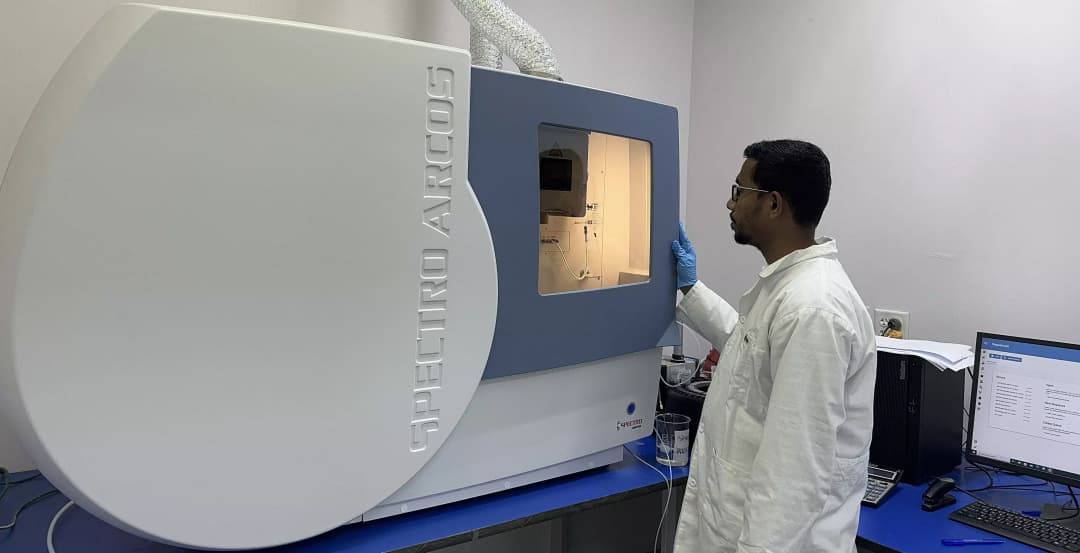
Metallic Constituent Analysis
Metals and Trace Element Analysis
Identify metallic contaminants. Assess sample quality. Support informed environmental and operational decisions.
Environmental Testing and Laboratories Company (ETLCO) provides metals and trace element analysis for municipal, commercial, petrochemical, and industrial clients across Saudi Arabia.
Our Environmental Laboratory analyzes water, wastewater, sludge, and solid samples to support environmental monitoring, treatment performance assessment, contamination investigations, and verification against applicable project requirements.
Using ICP-MS and ICP-OES instrumentation, our laboratory team develops testing scopes suited to the sample matrix, target elements, and required reporting limits.
Why Test for Metals?
Metals can occur naturally or enter water and other materials through industrial processes, corrosion, discharges, and waste handling. Their concentrations provide important information for evaluating quality, investigating contamination, and assessing treatment needs.
Metals analysis helps clients:
Determine concentrations of target metals and trace elements.
Compare results with applicable limits or agreed specifications.
Investigate potential contamination sources.
Evaluate treatment performance using samples collected before and after treatment.
Characterize sludge and solid materials for further assessment.
Establish baseline conditions and track changes over time.
Water and Wastewater Metals Analysis
Understand Water Quality and Treatment Performance
ETLCO provides metals testing for water and wastewater samples from municipal, commercial, and industrial sources.
Testing can support routine monitoring, process investigations, and the assessment of treated effluent. The analytical scope is selected according to the water source, intended use, expected concentrations, and project requirements.
Where relevant, the scope distinguishes between dissolved metals and total recoverable metals, as these require different sample handling and preparation.
Sludge and Solid Sample Analysis
Characterize Metallic Constituents in Complex Materials
Sludge and solid samples require preparation suited to their composition and the purpose of the investigation.
ETLCO provides metals analysis to support material characterization, contamination assessments, and waste management evaluations. Appropriate preparation and digestion procedures are selected before instrumental analysis.
The preparation method influences the fraction of metals measured, so results are reported in relation to the agreed analytical scope.
Our Metals Analysis Technologies
ICP-MS — Inductively Coupled Plasma Mass Spectrometry
ICP-MS supports the measurement of multiple elements at low concentrations. It is particularly useful when projects require trace-level analysis and reporting limits appropriate to low assessment thresholds.
Method references include:
US EPA Method 200.8.
APHA Standard Methods 3125.
US EPA SW-846 Method 6020.
The applicable method and revision are selected according to the sample matrix, target elements, and laboratory procedure.
ICP-OES — Inductively Coupled Plasma Optical Emission Spectrometry
ICP-OES provides multi-element analysis for a range of environmental and industrial samples. It supports routine metals testing and investigations across suitable concentration ranges.
Method references include:
US EPA Method 200.7.
APHA Standard Methods 3120.
US EPA SW-846 Method 6010.
ICP-OES is also referred to as ICP-AES, or inductively coupled plasma atomic emission spectrometry, in some method titles.
Mercury Analysis
ETLCO offers mercury analysis as part of a defined metals testing scope. Sample preparation, preservation, analytical technique, and reporting limits are selected according to the sample type and project requirements.
Our laboratory team can confirm the appropriate mercury testing approach before sample submission.
Recognized Methods and Project-Specific Testing
ETLCO uses recognized methodologies from US EPA, APHA Standard Methods, and ASTM, where applicable to the requested analysis.
Before testing begins, we review:
The sample matrix and source.
The required metals or trace elements.
Whether dissolved, total recoverable, or another defined fraction is required.
The relevant specification or assessment criteria.
The reporting limits needed for the project.
Sample preparation, preservation, and handling requirements.
This review helps align the laboratory work with the decisions the results need to support.
Applications Across Municipal and Industrial Sectors
Environmental Monitoring
Measure metallic constituents as part of baseline studies, periodic monitoring, and contamination investigations.
Wastewater Treatment Assessment
Compare concentrations before and after treatment to help assess metal removal and identify areas requiring further investigation.
Industrial and Petrochemical Operations
Investigate metals in process-related water, wastewater, sludge, and solid materials to support operational and environmental assessments.
Sludge and Waste Characterization
Obtain analytical data to support evaluation of sludge and solid waste. Where a project requires leachability testing, this is defined separately from bulk metals analysis.
Reporting That Fits Your Project
ETLCO recognizes the importance of timely analysis and clear reporting. Turnaround requirements and reporting formats are discussed before the project begins so that deliverables align with client needs.
Depending on the agreed scope, reporting can include:
Sample identification and descriptions.
Results for each requested element.
Units and applicable reporting limits.
Analytical method references.
Relevant result qualifiers.
Presentation aligned with project templates or monitoring schedules.
Where comparison with specified criteria is requested, the reference limits and reporting approach are agreed in advance.

Microbiological Testing
Environmental Microbiological Testing
Detect microbial contamination. Assess hygiene conditions. Support effective water and environmental management.
Environmental Testing and Laboratories Company (ETLCO) provides microbiological testing to help facilities, water treatment operators, environmental consultants, and industrial clients assess microbial quality and investigate potential contamination.
Our Environmental Laboratory analyzes samples for selected microorganisms and microbial indicators. Testing supports routine monitoring, treatment verification, hygiene assessments, and investigations into unexpected changes in environmental conditions.
We tailor the testing scope to the sample type, intended use, target organisms, and applicable project requirements.
Why Conduct Microbiological Testing?
Microbial contamination is not always visible. Water or an environmental sample may appear clean while containing microorganisms that require further assessment.
Microbiological testing provides evidence to help clients understand sample quality and identify when investigation or corrective action may be needed.
Our services support:
Detection and enumeration of selected microorganisms.
Assessment of indicators associated with contamination.
Monitoring of water treatment and disinfection performance.
Investigation of changes in microbial quality.
Verification following cleaning or corrective actions.
Comparison with applicable specifications and monitoring criteria.
Results reflect the sample and conditions at the time of collection. Regular monitoring provides a more useful picture of changes over time.
Our Microbiological Testing Capabilities
Total Coliforms
Total coliform testing provides an indicator of microbial water quality and can help identify concerns relating to treatment, storage, or distribution system integrity.
Detection may prompt further investigation. Total coliforms are not, by themselves, confirmation of fecal contamination.
Escherichia coli — E. coli
E. coli testing is used as an indicator of fecal contamination in relevant water quality assessments.
Results support investigations into possible contamination sources and evaluation of the need for corrective action. Routine indicator testing does not identify every pathogenic strain of E. coli.
Fecal Coliforms
Fecal coliform testing, also referred to as thermotolerant coliform testing in relevant methods, supports assessment of potential fecal contamination.
The parameter is selected according to the monitoring program, sample type, and applicable assessment criteria.
Total Plate Count — TPC
Total plate count measures microorganisms capable of growing under the conditions specified by the test. For water samples, related testing is commonly described as heterotrophic plate count (HPC).
Results help monitor changes in general microbial populations and can support investigations involving treatment, storage, and distribution systems. The count does not represent all microorganisms present or directly establish the presence of pathogens.
Legionella Testing
Legionella testing supports monitoring and investigation of water systems where these bacteria may grow.
The testing scope is defined according to the system, sampling objectives, and required method. Results can support a broader water management program and the assessment of corrective measures.
Targeted Pathogenic Bacteria Testing
Testing for selected pathogenic bacteria can be arranged following confirmation of the target organism, sample matrix, and suitable laboratory method.
Because there is no single test that detects all pathogens, the requested organisms are defined before analysis.
Testing for Water and Environmental Samples
Drinking Water and Distribution Systems
Microbiological analysis supports monitoring of drinking water at designated points, including storage tanks, distribution networks, and points of use.
Testing can help investigate changes in water quality and assess conditions following cleaning, disinfection, or maintenance.
Water Treatment and Treated Effluent
Testing of samples collected at relevant treatment stages helps operators evaluate changes in microbial quality.
Programs may include incoming water, treated water, and final effluent, with parameters selected according to the treatment process and intended use.
Building Water Systems and Cooling Towers
Targeted microbiological testing supports monitoring programs for building water systems and cooling towers, including Legionella analysis where required.
Sampling locations and timing should reflect the system layout and the objectives of the monitoring program.
Surface Water and Other Environmental Waters
Microbiological testing helps assess selected contamination indicators in environmental waters and supports baseline studies, periodic monitoring, and investigations.
The scope is matched to the water source and the intended assessment.
Soil and Air Samples
Microbiological investigations involving soil or air require methods and collection procedures suited to the target organisms and sample matrix.
ETLCO reviews these requests before confirming the available testing scope, sampling arrangements, and reporting requirements.
Support for Different Sectors
ETLCO’s environmental microbiological testing supports:
Water supply and treatment operations.
Industrial and commercial facilities.
Building and facility management.
Environmental monitoring programs.
Public health-related environmental investigations.
Water quality and hygiene programs at food-handling facilities, within the agreed environmental testing scope.
Sampling and Handling Matter
Microbiological results depend on appropriate sample collection, preservation, and timely delivery to the laboratory.
Our team provides guidance on:
Suitable sterile sampling containers.
Required sample quantities.
Neutralizing agents for disinfected water, where applicable.
Transport and temperature requirements.
Holding times for the selected tests.
Sample identification and collection records.
Sampling and laboratory receipt are coordinated to help preserve the condition of the sample for analysis.
Clear Results for Practical Decisions
ETLCO agrees on the testing scope, reporting format, and expected turnaround before work begins. Some microbiological methods require defined incubation periods, which determine when results can be issued.
Depending on the selected tests, reports may include:
Sample identification and description.
Target organisms or microbial indicators.
Presence/absence findings or numerical counts.
Units and method references.
Relevant reporting limits and result qualifiers.
Comparison with agreed criteria, where requested.
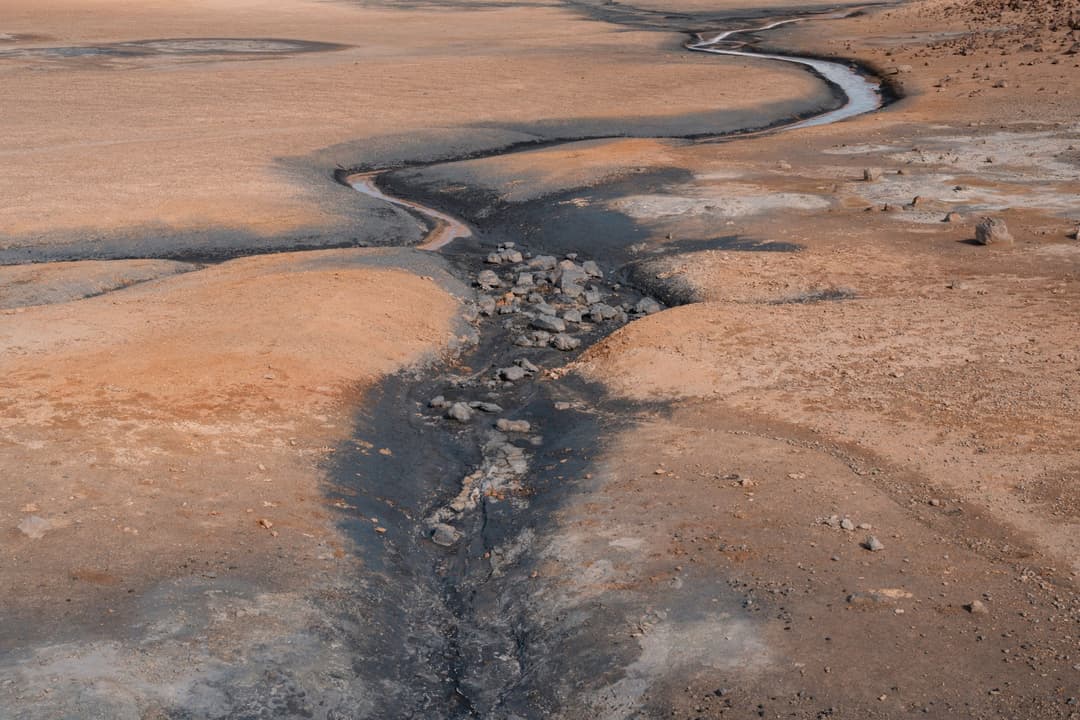
Contaminated Land and Remediation Plan Services
Contaminated Land Assessment and Site Rehabilitation
Understand your site. Assess environmental risks. Plan the right path to recovery.
Environmental Testing and Laboratories Company (ETLCO) provides contaminated land assessments, soil and groundwater remediation planning, and rehabilitation plans for degraded or contaminated sites across Saudi Arabia.
We help industrial operators, developers, and landowners understand site conditions, evaluate environmental risks, and make informed decisions about land acquisition, redevelopment, remediation, and closure.
Whether you need to investigate suspected contamination or prepare a site rehabilitation plan for submission to the National Center for Environmental Compliance (NCEC), our team develops a scope tailored to your site, project objectives, and applicable environmental requirements.
[Request a Quotation] — [Speak to Our Environmental Team]
Site Characterization and Preliminary Assessment
Effective site management begins with understanding the land’s history and current condition. ETLCO reviews available information and identifies potential contamination sources and areas requiring further investigation.
Our scope may include:
- Reviewing historical and current land use.
- Conducting site inspections to identify signs of contamination and environmental degradation.
- Identifying potential sources, including storage areas, spills, leaks, and waste disposal activities.
- Reviewing available soil, groundwater, and surrounding land-use information.
- Developing an initial understanding of how contaminants could move and affect people or the environment.
Phase I Environmental Site Assessment
Phase I ESA
A Phase I Environmental Site Assessment helps identify potential environmental concerns before land acquisition, redevelopment, or further investigation.
ETLCO reviews available records, inspects the site, and gathers relevant information to evaluate whether past or current activities may have affected its environmental condition.
The assessment typically includes:
- Review of available historical and environmental records.
- Site reconnaissance and visual inspection.
- Discussions with relevant site representatives, where appropriate.
- Identification of potential contamination concerns and information gaps.
- A report outlining findings and recommendations for further investigation.
Phase I assessments generally do not include soil or groundwater sampling.
Phase II Environmental Site Assessment
Phase II ESA
Where potential contamination requires investigation, ETLCO develops a targeted sampling and testing program to assess its presence, nature, and extent.
Our scope may include:
- Preparing a sampling plan focused on areas of concern.
- Collecting soil and groundwater samples, as required.
- Testing for contaminants associated with the site’s activities and history.
- Interpreting results against criteria applicable to the site and its intended use.
- Identifying the need for further investigation, risk assessment, or remediation planning.
The investigation provides a clearer basis for deciding what action is needed and where to focus it.
Environmental and Human Health Risk Assessment
We assess the potential risks associated with identified contaminants, considering their concentrations, exposure pathways, and the site’s current and proposed uses.
This assessment helps determine remediation priorities and objectives, with consideration for:
- Site workers and future occupants.
- Neighboring communities and other potentially affected people.
- Soil and groundwater resources.
- Surrounding ecosystems and sensitive environmental features.
- The potential movement of contaminants beyond the affected area.
Our findings support proportionate, site-specific decisions about remediation and risk management.
Remediation Feasibility Studies and Technology Selection
Choose a remediation approach that fits your site and project objectives.
ETLCO evaluates remediation options to help clients understand their technical suitability, practical requirements, and expected performance.
We consider:
- Contaminant types, concentrations, and distribution.
- Soil properties and groundwater conditions.
- Current and future land use.
- Expected treatment effectiveness and duration.
- Cost, operational requirements, and monitoring needs.
- Environmental impacts and the management of treatment residues.
Depending on site conditions, options assessed may include excavation and removal, in-situ treatment, biological treatment, physical or chemical treatment, containment, or measures to control contaminant migration.
Soil and Groundwater Remediation Plans
We develop site-specific remediation plans that translate assessment findings into clear, actionable requirements.
A remediation plan may include:
- A description of site conditions and the nature and extent of contamination.
- Remediation objectives and verification criteria.
- Recommended treatment methods and the reasons for their selection.
- Proposed implementation stages, priorities, and schedules.
- Measures to control contaminant migration during the works.
- Requirements for handling contaminated soil, water, and treatment residues.
- Sampling and verification programs to assess results.
- Follow-up monitoring and reporting requirements, where necessary.
Our plans help clients define the work required and establish how its effectiveness will be evaluated.
Rehabilitation Plans for Degraded or Contaminated Sites
Preparation for Submission to NCEC
ETLCO prepares rehabilitation plans for degraded or contaminated sites for submission to the National Center for Environmental Compliance (NCEC), taking into account applicable site requirements and comments issued by the Center.
These plans address the effects of previous activities, identify measures to control pollution sources, and establish a route toward restoring the site to a condition appropriate for its intended use.
Depending on the project, our services may include:
- Reviewing site conditions, previous studies, and analytical results.
- Reviewing NCEC observations and site-specific requirements.
- Defining rehabilitation and remediation activities and their priorities.
- Preparing a plan covering objectives, proposed methods, schedules, and implementation responsibilities.
- Establishing requirements for managing waste, contaminated soil, and materials generated during the works.
- Developing environmental monitoring and verification programs.
- Preparing technical documentation to support completion reporting and environmental closure requests, where applicable.
- Supporting plan submission and responses to technical comments during the review process.
Acceptance of plans and closure of observations remain subject to NCEC review and fulfillment of its requirements.
When Do You Need a Site Assessment or Rehabilitation Plan?
Our services support clients at key stages of a property or facility’s lifecycle:
- Before purchasing land or an industrial property: Understand potential environmental concerns before committing.
- Before redevelopment or a change in land use: Assess whether site conditions are suitable for the proposed use.
- Following a spill or leak: Investigate potential impacts on soil and groundwater.
- During facility closure or decommissioning: Identify remediation and rehabilitation needs.
- When contamination or degradation is suspected: Establish the cause, extent, and appropriate next steps.
- When NCEC requests a rehabilitation plan: Prepare a site-specific response supported by technical assessment.




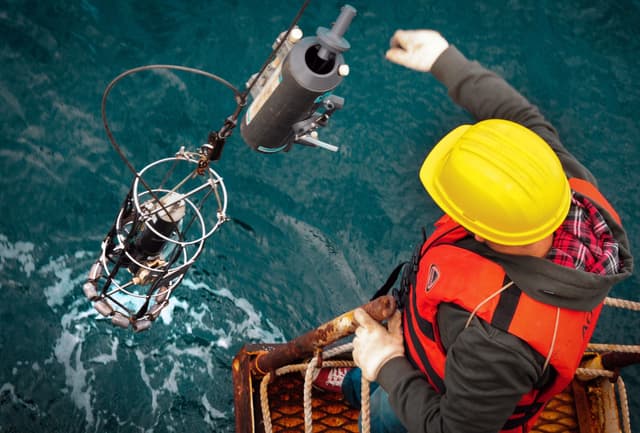
Soil water ground water Testing Al Jubail
Soil and Groundwater Testing Saudi Arabia

Environmental Laboratory
We carry out accurate Soil Water and Ground Water Testing in Al Jubail through ETLCO’s state-of-the-art Environmental Laboratory, ensuring compliance with NCEC and Aramco environmental standards. Our team analyzes physical, chemical, and microbiological parameters to assess contamination, salinity, hydrocarbons, and industrial pollutants. As part of our Environmental Consultancy Services, we help clients interpret data for regulatory submissions, remediation planning, and environmental impact studies. ETLCO’s reliable results support safe land development, industrial compliance, and sustainable groundwater management across Saudi Arabia.
ETLCO offers comprehensive Soil and Groundwater Testing in Saudi Arabia to evaluate site quality, contamination levels, and industrial impacts. Our Environmental Laboratory uses ISO 17025-aligned methods to test hydrocarbons, heavy metals, salinity, nutrients, and microbiological parameters. These results support EIAs, ESAs, and compliance requirements set by NCEC and Royal Commission authorities. Coupled with our Environmental Consultancy Services, clients receive accurate interpretation and clear recommendations for site remediation, risk assessment, and regulatory approval for industrial, construction, and municipal projects.
We perform precise Heavy Metals Testing in Water and Soil in Saudi Arabia using advanced ICP-OES and AAS technologies within ETLCO’s accredited Environmental Laboratory. Our analyses cover lead, arsenic, chromium, mercury, cadmium, and other contaminants critical for industrial compliance. Results meet NCEC, SASO, and Aramco environmental standards. Supported by our Environmental Consultancy Services, ETLCO provides interpretation, risk assessment, and regulatory guidance, helping industries manage environmental liabilities, maintain safe operations, and meet strict environmental permit requirements.
ETLCO provides professional Waste Characterization Analysis in Al Jubail, including specialized Hazardous Waste Characterization Analysis in Saudi Arabia, to classify industrial waste streams according to NCEC and RCJY regulations. Our Environmental Laboratory evaluates physical, chemical, and toxicological characteristics to determine waste categories, disposal requirements, and treatment options. Backed by our Environmental Consultancy Services, we help clients prepare compliant waste management plans, reduce environmental risks, and meet regulatory reporting standards for oil & gas, chemical, and manufacturing facilities.
ETLCO’s Microbiological Testing Laboratory in Saudi Arabia provides detailed analysis of water, soil, and environmental samples to detect pathogens, indicators, and microbial contamination. We also support industrial clients with Gas Analysis Laboratory services in Al Jubail, enabling assessment of gas quality, composition, and impurities. Using ISO-aligned methods, our Environmental Laboratory ensures reliable results for compliance, safety, and quality control. Combined with ETLCO’s Environmental Consultancy Services, clients receive expert interpretation that supports regulatory compliance and environmental performance improvement.
We support Environmental Management Plan EMP Development in Saudi Arabia through ETLCO’s specialized Environmental Consultancy Services, creating regulatory-aligned frameworks that guide industries across operational, construction, and decommissioning phases. Our team ensures full adherence to NCEC, PME, and Aramco environmental requirements by assessing risks, defining mitigation measures, and establishing monitoring protocols. ETLCO also assists with Environmental Policy and Strategy Development to help organizations strengthen long-term environmental governance. By integrating scientific data, ISO-compliant methods, and industry best practices, we help clients operate responsibly while meeting all national regulatory obligations.
Our Sustainability Strategy Consulting in Al Jubail supports organizations seeking long-term environmental resilience and operational efficiency. Through ETLCO’s Environmental Consultancy Services, we develop sustainability roadmaps, ESG improvement frameworks, and renewable energy transition strategies. We also provide Renewable Energy Consulting in Al Jubail and Renewable Energy and Clean Technology Consulting in Saudi Arabia to help industries comply with Vision 2030 goals. ETLCO’s experts evaluate carbon reduction opportunities, resource efficiency, and environmental impact, enabling clients to meet Aramco, NCEC, and global sustainability standards while improving operational performance across the Eastern Province.
We deliver Environmental Permit Services in Al Jubail through ETLCO’s experienced Environmental Consultancy Services team, supporting facilities through every stage of NCEC permitting. ETLCO operates as an NCEC-Approved Class A Environmental Consultant Office in Saudi Arabia, ensuring full regulatory compliance for new projects, expansions, and industrial modifications. We also guide clients through NCEC Compliance and Permit Services in Saudi Arabia, supported by our NCEC Compliant Lab for validated environmental data. From documentation and modelling to agency coordination and technical submissions, ETLCO ensures clients achieve fast, accurate, and compliant permitting outcomes.
Our Environmental Periodic Audit Services in Saudi Arabia assess facility performance against PME, NCEC, and Aramco environmental standards. Through ETLCO’s Environmental Consultancy Services, we conduct compliance audits, identify operational gaps, and recommend corrective actions. We also provide Environmental Risk Assessment in Saudi Arabia to quantify environmental hazards across air, water, waste, and soil sectors. Additionally, ETLCO supports Carbon Footprint and GHG Inventory Reporting in Saudi Arabia, enabling industries to meet global reporting frameworks such as ISO 14064. These comprehensive auditing and risk-evaluation solutions help clients maintain continuous compliance and operational integrity.
We conduct Environmental Site Assessment in Al Jubail using ISO-aligned methodologies through ETLCO’s Environmental Consultancy Services. Our assessments include Phase I ESA for historical and compliance reviews and Phase II ESA for soil, groundwater, and contamination testing using data from ETLCO’s Environmental Laboratory. We also support Environmental and Social Impact Assessment Studies (ESIA) in Saudi Arabia to meet NCEC and Aramco project approval requirements. By providing clear risk evaluations, regulatory-compliant documentation, and remediation recommendations, ETLCO helps clients manage environmental liabilities and safely advance land development or industrial expansion.
Our Biodiversity and Ecological Survey in Saudi Arabia evaluates terrestrial, marine, and wetland ecosystems to help industries comply with NCEC and PME requirements. Through ETLCO’s Environmental Consultancy Services, we conduct flora and fauna assessments, habitat mapping, ecological sensitivity rankings, and conservation recommendations. These surveys are essential for EIAs, ESIA submissions, and project permitting for industrial expansions, utilities, and coastal developments. ETLCO integrates scientific fieldwork with regulatory insight, helping clients protect natural resources while maintaining compliance with national biodiversity conservation standards.
We support Hydrodynamic Modelling Services in Al Jubail through ETLCO’s Environmental Consultancy Services, providing detailed simulations for coastal, marine, and industrial discharge projects. Our team also delivers Marine Survey and Hydrodynamic Modelling in Saudi Arabia to evaluate water movement, sediment transport, dispersion patterns, and marine ecosystem impact. These studies are required for NCEC permitting, outfall design, jetty development, dredging operations, and marine infrastructure planning. By combining advanced modelling tools with scientific marine data, ETLCO ensures regulatory compliance and environmentally responsible coastal development across the Kingdom.