- Address: Al-Jubail Industrial Area, Al-Jubail. ETLCO-PO Box 10113
- Hot Link:+966 50 333 2637
 English
 العربية

Environmental Consultancy
ETLCO provides environmental consultancy services, including impact assessments, environmental audits, risk assessments, and management plans.
 Environmental Impact Assessment
Environmental Compliance Services Supporting NCEC Requirements
Biodiversity and Ecological Studies
Environmental Auditing and Environmental Permit to Operate (EPO)
Marine Surveys and Modelling Studies
Energy Efficiency and Carbon Neutrality Services
Environmental Hazard and Risk Assessments, HAZID and HAZOP Studies
Contaminated Land and Remediation new
Waste Management Planning and Waste Minimization Services
Offshore and Oilfield Environmental Consulting Services
Environmental Policy and Strategy Development
Services
Environmental Consultancy

Environmental Impact Assessment
Environmental Impact Assessment (EIA) Services in Saudi Arabia
Understand environmental risks early. Plan with confidence. Support your project’s approval process.
ETLCO delivers science-based Environmental Impact Assessments that help developers, industrial operators and project owners understand how proposed activities may affect the surrounding environment.
Whether you are planning a new facility, expanding an existing operation or modifying a production process, our EIA services provide the evidence needed to make informed decisions, define practical mitigation measures and support environmental permitting.
We combine site-specific environmental studies, laboratory analysis and technical assessment to develop reports that address your project’s characteristics and the requirements of the relevant authority, including the National Center for Environmental Compliance (NCEC) or the Royal Commission, where applicable.
Environmental insight that supports your investment
Identifying environmental constraints before construction or expansion begins gives your team more opportunity to address them through project design, site planning and operating procedures.
ETLCO’s assessments help you:
Identify sensitive environmental features and nearby receptors.
Establish baseline conditions before project activities begin.
Understand potential impacts during construction and operation.
Evaluate opportunities to avoid or reduce adverse impacts.
Incorporate environmental controls into project budgets and schedules.
Prepare clear documentation for regulatory review.
Define monitoring and management actions for project implementation.
Our Environmental Impact Assessment Services
1. Project Review, Scoping and Study Planning
A focused assessment begins with a clear understanding of your project.
We review the proposed location, activities, production processes, resource requirements, emissions, discharges and waste streams. This helps identify the environmental issues that require detailed assessment and the information needed to complete the study.
Depending on the project, this stage may include:
Review of project plans, layouts and available technical documents.
Identification of nearby communities, sensitive land uses and environmental receptors.
Review of relevant environmental requirements and permit conditions.
Identification of information gaps and specialist study needs.
Development of the baseline survey and assessment plan.
The result is a study scope proportionate to the project’s potential impacts and aligned with the applicable review process.
2. Baseline Environmental Studies
Reliable baseline information provides the foundation for a meaningful impact assessment.
ETLCO collects and evaluates site-specific data to characterize existing environmental conditions. The scope is selected according to the project location, proposed activities and identified risks.
Baseline studies may cover:
Ambient air quality and existing emission sources.
Environmental noise conditions.
Surface water, groundwater and seawater quality, where relevant.
Soil quality and potential existing contamination.
Surrounding land use and sensitive receptors.
Meteorological conditions and other relevant site characteristics.
Ecological features requiring specialist assessment, where identified during scoping.
We combine field observations, sampling, laboratory results and available background information to establish a documented environmental baseline.
3. Impact Identification and Assessment
We assess how project activities could interact with the surrounding environment during construction, operation and, where relevant, decommissioning.
The assessment considers the nature, extent, duration and significance of potential impacts, together with the sensitivity of affected receptors.
Depending on the project, key issues may include:
Dust and gaseous emissions.
Noise from construction activities, machinery and operations.
Water consumption, wastewater generation and discharge.
Soil and groundwater contamination risks.
Waste generation, storage and handling.
Disturbance to nearby communities or sensitive environments.
Accidental releases and other foreseeable environmental incidents.
Combined effects with surrounding activities, where relevant.
Where additional analysis or specialist modelling is needed, its scope is defined as part of the assessment.
4. Alternatives and Design Recommendations
Addressing environmental issues during design can help reduce the need for corrective measures later.
Where relevant, we evaluate feasible alternatives relating to site layout, processes, technology, resource use and operating arrangements. Our recommendations help project teams understand the environmental implications of available choices alongside practical project constraints.
5. Mitigation Measures and Environmental Management Planning
ETLCO translates assessment findings into practical actions that can be incorporated into construction and operational planning.
Measures are developed to avoid adverse impacts where practicable, reduce those that cannot be avoided and manage remaining risks.
Depending on the findings, recommendations may address:
Dust suppression and emission controls.
Noise reduction and equipment management.
Wastewater collection, treatment and discharge controls.
Waste segregation, storage and disposal arrangements.
Spill prevention and response measures.
Protection of soil, groundwater and sensitive receptors.
Site housekeeping and environmental responsibilities.
Environmental management plans connect these measures to project activities, responsible parties and implementation stages.
6. Environmental Monitoring Plans
A monitoring plan helps your team track environmental performance and assess whether mitigation measures are working as intended.
Where required, we define:
Parameters and environmental conditions to monitor.
Monitoring locations and sampling frequency.
Relevant assessment criteria.
Recording and reporting arrangements.
Responsibilities for implementation and review.
Follow-up actions when results indicate a concern.
Monitoring requirements are tailored to the assessment findings and applicable project conditions.
7. EIA Reporting and Regulatory Review Support
ETLCO prepares structured EIA reports that clearly explain the project, baseline conditions, assessment findings and proposed environmental controls.
Depending on the agreed scope, deliverables may include:
Project description and executive summary.
Baseline survey findings and laboratory results.
Impact assessment and significance evaluation.
Mitigation measures and environmental management plans.
Environmental monitoring requirements.
Supporting maps, figures and technical appendices.
We also support your team in preparing documentation for submission and responding to technical review comments from NCEC, the Royal Commission or other relevant authorities, as applicable. Final approval remains subject to the authority’s review and decision.
An Integrated Approach to Environmental Assessment
ETLCO brings together environmental consultancy, field monitoring and laboratory analysis to connect site conditions with practical project recommendations.
Our approach emphasizes:
Project-specific studies: A scope based on your activities, location and environmental risks.
Evidence-based assessment: Findings supported by field data, analytical results and documented evaluation.
Practical recommendations: Measures that project teams can incorporate into design, construction and operations.
Clear technical reporting: Documentation that supports management decisions and regulatory review.
Coordinated delivery: Alignment between study planning, fieldwork, laboratory analysis and reporting.
Plan Your Environmental Impact Assessment with ETLCO
Share your project location, proposed activities, site layout, development schedule and any existing permits or authority correspondence.
Our team will review the available information, identify the studies needed and prepare a technical and commercial proposal tailored to your project.

Environmental Compliance Services Supporting NCEC Requirements
Environmental studies, testing and monitoring to help your project meet applicable requirements in Saudi Arabia.
ETLCO provides environmental consultancy, laboratory testing and field monitoring services to help businesses assess their environmental performance, address compliance gaps and prepare technical documentation for the National Center for Environmental Compliance (NCEC).
From planning a new development to managing an operating facility, expanding production or rehabilitating a contaminated site, we tailor our services to your activity, location, environmental risks and permit conditions.
Our integrated approach connects environmental studies with field measurements, laboratory results and practical recommendations, giving your team clear information to support decisions and regulatory submissions.
Environmental Impact Assessment and Project Planning
ETLCO prepares Environmental Impact Assessment (EIA) studies to identify potential environmental effects before construction, expansion or changes to operations.
Services may include:
Review of project activities and environmental requirements.
Scoping and preparation of the study plan.
Baseline surveys for air, water, soil and noise.
Identification of sensitive receptors and potential impacts.
Evaluation of project alternatives, where relevant.
Development of mitigation measures.
Preparation of environmental management and monitoring plans.
EIA reporting and technical responses to review comments.
These studies help project teams incorporate environmental considerations into design, budgeting and implementation.
Environmental Auditing and Operating Permit Renewal Support
We assess existing facilities to identify gaps against applicable requirements, permit conditions and environmental management commitments.
Our services include document review, site inspections, monitoring data evaluation, corrective action planning and preparation of technical documentation supporting environmental operating permit renewal.
The required documentation depends on the activity classification. NCEC’s renewal service identifies an updated environmental management plan for Category 1 activities and an environmental audit study for Categories 2 and 3, alongside applicable supporting records and requirements.
Environmental Permitting and Technical Documentation
ETLCO helps clients organize the environmental information needed for relevant permit applications and regulatory reviews.
Support may include:
Reviewing existing permits and authority correspondence.
Identifying required studies and supporting documents.
Preparing facility descriptions and environmental information.
Compiling monitoring reports and laboratory results.
Reviewing proposed changes for potential environmental implications.
Preparing technical clarifications and responses to comments.
Supporting updates to environmental plans.
The scope is confirmed for each project. Permit issuance, renewal and approval remain subject to NCEC’s review and decision.
Air Quality and Emission Monitoring
ETLCO provides air quality and emission monitoring to help facilities understand their emissions and assess performance against applicable requirements.
Depending on the project, services may include:
Source stack emission testing.
Ambient air quality monitoring.
Fugitive emission surveys and leak detection support.
Odor monitoring and analysis.
Vehicle and heavy equipment emission testing.
Assessment of emissions associated with cooling tower drift.
Review of monitoring results and identification of follow-up actions.
Parameters, methods, locations and monitoring frequency are selected according to the source, study objectives and applicable permit conditions.
Water, Wastewater and Groundwater Assessment
Our sampling and laboratory services help clients evaluate water quality, investigate potential contamination and review treatment or discharge performance.
Services may cover:
Industrial and sanitary wastewater.
Treated effluent and discharge points.
Groundwater and dewatering water.
Surface water and seawater.
Chemical, physical and microbiological parameters.
Investigation of changes in water quality.
Interpretation of results against relevant assessment criteria.
Results support environmental studies, operational monitoring and the preparation of supporting documentation.
Soil Assessment and Contaminated Land Investigations
ETLCO investigates potential contamination to help clients understand site conditions before development, during operations or following an environmental incident.
Services include:
Preliminary site characterization.
Phase I and Phase II Environmental Site Assessments.
Soil and groundwater sampling.
Laboratory analysis of site-specific contaminants.
Evaluation of contamination distribution and extent.
Environmental risk assessment.
Identification of further investigation or management needs.
Our findings support informed decisions on land use, remediation and environmental protection.
Remediation Planning and Site Rehabilitation
We develop plans for managing contaminated soil and groundwater and rehabilitating degraded or contaminated sites.
The scope may include:
Review of contamination sources and affected areas.
Development of remediation objectives.
Evaluation of treatment and containment options.
Preparation of soil and groundwater remediation plans.
Rehabilitation planning for disturbed or degraded land.
Environmental controls during remediation works.
Verification sampling and post-remediation monitoring.
Preparation of completion and supporting technical reports.
Plans are tailored to site conditions, intended future use and applicable authority requirements.
Waste Testing and Characterization
ETLCO provides laboratory testing to help clients understand waste composition and characteristics and support appropriate management decisions.
Depending on the waste stream, services may include:
Sampling of sludge, solids, liquids and industrial waste.
Analysis of metals and organic contaminants.
Leachability testing, where required.
Assessment of relevant hazardous characteristics.
Interpretation of analytical findings.
Preparation of supporting laboratory reports.
Testing is selected according to the waste type, assessment purpose and applicable acceptance criteria. Waste handling, transport, treatment and disposal must also address the requirements of the relevant competent authorities.
Environmental Noise Assessment
We measure environmental noise to help facilities understand the effects of their activities on surrounding areas.
Services may include baseline surveys, operational noise monitoring, boundary measurements and assessment at sensitive receptors.
Findings help identify significant sources, evaluate performance against applicable criteria and develop practical noise reduction measures.
Environmental Management and Corrective Action Plans
ETLCO translates study and monitoring findings into actions that facility teams can implement and track.
Plans may address:
Environmental responsibilities and reporting arrangements.
Air emission and dust controls.
Wastewater and discharge management.
Waste and chemical storage practices.
Spill prevention and response.
Monitoring schedules and recordkeeping.
Corrective actions, responsibilities and completion dates.
Rehabilitation and closure considerations, where applicable.
This connects technical findings with day-to-day environmental management.
Periodic Monitoring and Compliance Reporting
We develop project-specific monitoring programs to help clients maintain environmental records and identify changes that require attention.
Services may include scheduled field measurements, sample collection, laboratory analysis, data review and preparation of periodic technical reports.
Where results indicate a concern, ETLCO can support further investigation and recommend appropriate follow-up measures within the agreed scope.
Integrated Environmental Support from ETLCO
By combining consultancy, monitoring and laboratory services, ETLCO helps clients coordinate environmental work from the initial assessment through to reporting and follow-up.
Our approach emphasizes:
A defined scope: Services matched to the facility’s activities and applicable requirements.
Documented evidence: Findings supported by field observations, measurements and analytical results.
Practical recommendations: Actions suited to site conditions and operational needs.
Clear reporting: Technical information organized for management decisions and regulatory review.
Coordinated delivery: Alignment between studies, fieldwork, laboratory analysis and reporting.
Discuss Your NCEC Compliance Requirements with ETLCO
Share your facility location, activity description, current permit, project stage and any NCEC correspondence. Include available environmental studies and monitoring reports to help us identify the required work.
Our team will review your needs and prepare a technical and commercial proposal for the studies, testing, monitoring or documentation support relevant to your project.

Biodiversity and Ecological Studies
Identify ecological sensitivities early. Make informed development decisions. Plan practical measures to protect biodiversity.
ETLCO provides biodiversity and ecological studies that help project teams understand the habitats, plants, wildlife, and sensitive ecological features within and around their development sites.
Our studies support site selection, environmental impact assessment, project design, construction planning, and ecological monitoring. We translate field observations and available environmental information into clear findings that help clients evaluate potential impacts and identify appropriate management actions.
Each study is tailored to the project’s location, activities, development stage, and environmental requirements.
What Our Studies Deliver for Your Project
A Documented Biodiversity Baseline
Establish a clear picture of existing ecological conditions before development begins. Baseline information provides a reference for impact assessment, design decisions, and subsequent monitoring.
Flora and Fauna Assessment
Identify and document relevant plant and animal species through surveys designed for the site’s habitats and study objectives. Findings highlight species and habitat features that may require further consideration.
Habitat Mapping and Sensitivity Assessment
Understand the distribution, condition, and sensitivity of habitats across the study area. This information helps teams consider ecological constraints when selecting locations, defining development boundaries, and planning access routes.
Practical Recommendations
Receive findings that connect ecological evidence with project decisions, including recommendations for avoiding impacts, reducing disturbance, restoring affected areas, and monitoring outcomes.
Our Biodiversity and Ecological Services
1. Baseline Biodiversity Studies
ETLCO combines desktop review and field surveys to establish the ecological context of a project.
The scope may include:
Reviewing available environmental reports and species records.
Identifying habitat types and their distribution.
Recording observed flora and fauna.
Assessing existing disturbance and land-use pressures.
Identifying sensitive features and information gaps.
Establishing reference locations for future monitoring.
Reports distinguish confirmed observations from potential species presence and explain the coverage and limitations of the survey.
2. Flora and Vegetation Surveys
We assess vegetation to support habitat evaluation, development planning, and rehabilitation considerations.
Services may include:
Identifying and recording plant species.
Describing vegetation communities and dominant species.
Assessing vegetation cover and condition.
Recording native, introduced, and invasive plants where relevant.
Mapping notable vegetation features.
Identifying areas that may warrant retention or further investigation.
The findings help clients plan vegetation clearance and consider opportunities to retain or restore native vegetation.
3. Fauna and Wildlife Surveys
ETLCO undertakes project-specific assessments of wildlife presence and habitat use.
Depending on the agreed scope and site conditions, surveys may address birds, mammals, reptiles, amphibians, or selected invertebrate groups.
Activities may include:
Recording direct sightings and other evidence of wildlife.
Identifying potential breeding, nesting, roosting, and feeding areas.
Assessing habitat suitability for species of interest.
Reviewing potential movement routes and habitat connections.
Identifying seasonal considerations.
Recommending targeted surveys where further evidence is needed.
Survey findings are interpreted in light of timing, weather, coverage, and species detectability. A species not observed during a survey is not automatically considered absent.
4. Habitat Mapping and Condition Assessment
We develop habitat assessments supported by field observations and appropriate spatial information.
The scope may include:
Classifying and mapping habitats.
Describing habitat extent, structure, and condition.
Identifying disturbed or degraded areas.
Assessing habitat connectivity and fragmentation.
Mapping sensitive ecological features.
Comparing habitat distribution with the proposed project footprint.
Studies may cover desert landscapes, wadis, coastal areas, wetlands, and other habitats relevant to the site.
5. Ecological Sensitivity and Impact Assessment
ETLCO evaluates how proposed activities could interact with identified species, habitats, and ecological features.
Depending on the project, the assessment may consider:
Habitat loss, disturbance, and fragmentation.
Vegetation clearance and changes in land use.
Wildlife disturbance from noise, lighting, and human activity.
Changes to drainage and water availability.
Dust deposition, pollution, and accidental releases.
Restrictions on wildlife movement.
Combined effects with nearby activities, where relevant.
The findings help project teams compare alternatives and identify where design changes or additional controls may be appropriate.
6. Biodiversity Mitigation and Management Planning
We translate assessment findings into practical measures suited to the project and its ecological context.
Recommendations may include:
Adjusting layouts to avoid sensitive features.
Defining restricted access or protection areas.
Scheduling activities around identified ecological sensitivities.
Establishing vegetation clearance procedures.
Managing lighting, noise, dust, and vehicle movements.
Preparing procedures for unexpected wildlife encounters.
Identifying suitable native vegetation for rehabilitation.
Assigning responsibilities and monitoring requirements.
Any proposed wildlife handling or relocation requires separate consideration of specialist competence and applicable permissions.
7. Ecological Monitoring and Rehabilitation Assessment
ETLCO develops monitoring programs to assess ecological change and review the effectiveness of management measures.
Services may include:
Repeat surveys at defined locations.
Monitoring habitat condition and vegetation establishment.
Tracking selected species or ecological indicators.
Assessing rehabilitated areas.
Reviewing mitigation performance.
Recommending corrective actions or further monitoring.
Methods and indicators are selected to support meaningful comparison with baseline conditions.
Support for Environmental Assessments and Review
Our ecological studies consider the environmental requirements applicable to the project’s location, activities, and agreed scope.
We support clients through:
Ecological inputs to environmental impact assessments.
Documentation of biodiversity sensitivities and potential impacts.
Project-specific mitigation and monitoring recommendations.
Technical responses to ecological review comments.
Identification of additional survey or specialist assessment needs.
The study scope and required documentation are established for each project. Regulatory acceptance remains subject to review by the relevant authority.
Our Study Process
1. Project Review and Survey Planning
We review the site boundary, development plans, available information, and study objectives. We then define the survey area, target habitats or species groups, appropriate timing, and data requirements.
2. Field Surveys and Data Collection
We collect ecological observations and location data using methods appropriate to the agreed scope, documenting survey conditions and coverage.
3. Biodiversity and Habitat Assessment
We evaluate the findings to identify important ecological features, habitat conditions, sensitivities, and potential project interactions.
4. Reporting and Recommendations
We prepare a structured technical report presenting the evidence, assessment findings, practical recommendations, and any further investigation or monitoring needs.
What Your Project Receives
Depending on the agreed scope, deliverables may include:
A biodiversity baseline report.
Flora and fauna records.
Habitat descriptions and condition assessments.
Habitat and ecological sensitivity maps.
An assessment of potential ecological impacts.
Mitigation and biodiversity management recommendations.
An ecological monitoring framework.
Rehabilitation monitoring recommendations.
A summary of survey limitations and information gaps.
Plan Your Project with Greater Ecological Clarity
Discuss your project with ETLCO before site development, construction, expansion, or major design decisions.
Share your location, site boundary, proposed activities, development schedule, and any existing environmental reports or authority requirements. Our team will prepare a technical and commercial proposal defining the study scope, fieldwork, deliverables, and expected schedule.
Environmental Auditing and Environmental Permit to Operate (EPO)
Environmental Auditing and Environmental Permit to Operate (EPO) Renewal Support
Identify compliance gaps. Strengthen environmental performance. Prepare for your next permit renewal.
ETLCO provides environmental auditing and operating permit renewal support for industrial facilities and other regulated activities in Saudi Arabia.
Our services help clients evaluate environmental performance, review compliance with permit conditions, address deficiencies and prepare technical documentation for the relevant authority. We tailor each assignment to the requirements of the National Center for Environmental Compliance (NCEC) or the Royal Commission for Jubail and Yanbu (RC), according to the facility’s location and regulatory jurisdiction.
Whether your permit is approaching expiry, your facility has received inspection observations or you want to assess your readiness for regulatory review, ETLCO helps you move forward with clear findings and practical actions.
Environmental Auditing That Supports Your Operations
An environmental audit brings together site observations, operating records and monitoring results to evaluate how a facility manages its environmental responsibilities.
ETLCO helps your team:
Identify gaps against applicable environmental requirements and permit conditions.
Evaluate the effectiveness of existing pollution controls.
Review the completeness of monitoring and reporting records.
Prioritize corrective actions and assign responsibilities.
Prepare supporting evidence for permit renewal.
Improve environmental documentation and ongoing compliance management.
Our Environmental Auditing Services
1. Permit Review and Audit Planning
We review the facility’s existing environmental permit, activities and available records to define an appropriate audit scope.
This stage may include:
Review of permit conditions and previous approvals.
Identification of applicable environmental requirements.
Review of previous audits, inspection findings and authority correspondence.
Evaluation of changes to processes, production capacity, materials or equipment.
Identification of missing information and additional monitoring needs.
Preparation of the audit schedule and document request list.
This approach focuses the assessment on the facility’s activities, environmental risks and regulatory obligations.
2. Site Inspection and Operational Assessment
Our team assesses site conditions and environmental management practices through field observations and discussions with responsible personnel.
Depending on the facility, the assessment may cover:
Production areas and supporting utilities.
Air emission sources and pollution control equipment.
Wastewater collection, treatment and discharge arrangements.
Chemical and fuel storage areas.
Waste segregation, storage and handling.
Spill prevention and secondary containment.
Stormwater drainage and potential contamination pathways.
Environmental housekeeping and emergency preparedness.
Observations are documented to provide a clear basis for findings and follow-up actions.
3. Environmental Monitoring and Data Review
Reliable monitoring records are essential for evaluating environmental performance.
ETLCO reviews available results against applicable permit limits and assessment criteria, considering the monitoring locations, parameters, frequency and operating conditions.
The scope may include:
Stack emissions and ambient air quality.
Fugitive emissions, where relevant.
Environmental noise.
Industrial and sanitary wastewater.
Groundwater, surface water or seawater.
Soil quality and contamination indicators.
Waste characterization and disposal records.
Where additional measurements or analyses are needed, we define the required scope and coordinate field monitoring and laboratory testing.
4. Compliance Evaluation and Gap Assessment
We compare available evidence with applicable requirements to identify compliant conditions, deficiencies and matters requiring further investigation.
The assessment may address:
Compliance with environmental permit conditions.
Implementation of environmental management commitments.
Completion of required monitoring and reporting.
Maintenance and operation of environmental controls.
Management of waste, chemicals and discharges.
Follow-up on previous findings and corrective actions.
Changes that may require separate regulatory review.
Findings distinguish between documented non-compliance, missing evidence and opportunities for improvement, helping management prioritize the appropriate response.
5. Corrective Action Plans
ETLCO develops practical corrective action plans to address identified gaps.
Depending on the findings, each action may identify:
The issue and relevant requirement.
Immediate containment or control measures.
Further investigation or root-cause review.
Recommended corrective measures.
Responsible personnel or departments.
Target completion dates.
Evidence required to demonstrate completion.
Follow-up monitoring or verification.
This gives your team a structured approach to addressing findings and tracking progress.
Environmental Operating Permit Renewal Support
NCEC Renewal Documentation
ETLCO supports the preparation of renewal documentation according to the facility’s classification and applicable NCEC requirements.
NCEC’s renewal service distinguishes between activity categories: Category 1 documentation includes an updated environmental management plan, while Categories 2 and 3 require an environmental audit study. The service also identifies previous monitoring reports and, for Categories 2 and 3, an updated rehabilitation plan within the audit study, along with other applicable supporting documents.
Our support may include reviewing the existing permit, identifying document gaps, preparing the relevant technical study or plan and assisting with responses to review comments.
Royal Commission EPO Renewal Support
For facilities under Royal Commission jurisdiction, ETLCO supports the review of applicable Royal Commission Environmental Regulations, existing EPO conditions and renewal documentation requirements.
The Royal Commission operates an environmental permitting system with periodic review and renewal to assess facilities’ compliance with its environmental requirements.
Our project-specific support may include:
Review of the existing EPO and its conditions.
Updating facility descriptions and environmental information.
Compilation of monitoring results and compliance records.
Review of emission sources, discharges and waste streams.
Documentation of operational changes.
Preparation of technical responses and supporting attachments.
The submission scope is confirmed against the requirements applicable to the facility and the relevant Royal Commission authority.
6. Environmental Management Plan Updates
An audit may identify the need to update environmental management arrangements to reflect current operations.
ETLCO can support updates covering:
Environmental responsibilities and reporting arrangements.
Monitoring schedules and recordkeeping.
Waste and chemical management practices.
Spill prevention and response procedures.
Pollution control measures.
Corrective action tracking.
Rehabilitation and closure considerations, where applicable.
Updated plans help connect audit findings with day-to-day operational responsibilities.
7. Submission Preparation and Technical Follow-Up
We organize the agreed technical deliverables into a clear submission package and support the client during regulatory review.
Services may include document completeness checks, preparation of supporting explanations, responses to technical comments and revisions within the agreed scope.
Permit issuance and renewal remain subject to the relevant authority’s review and decision. Facility modifications may require a separate approval or permit amendment rather than being addressed through renewal alone.
What Your Facility Receives
Depending on the agreed scope, deliverables may include:
Environmental audit report.
Permit compliance assessment.
Site inspection findings and photographic records.
Environmental monitoring results and data evaluation.
Corrective action plan and tracking register.
Updated environmental management plan.
Updated rehabilitation plan, where required.
EPO renewal supporting documentation.
Technical responses to authority comments.
A Coordinated Approach to Environmental Compliance
ETLCO brings together environmental consultancy, field monitoring and laboratory analysis to support a consistent assessment of your facility.
Our approach emphasizes clear evidence, practical recommendations and coordinated reporting, helping your team understand what needs attention and prepare the documentation required for the next stage.
Prepare for Your Next Environmental Audit or EPO Renewal
Share your current environmental permit, expiry date, facility location, activity description, recent monitoring reports and any NCEC or Royal Commission correspondence.
ETLCO will review the available information and prepare a technical and commercial proposal for your environmental audit and permit renewal support requirements.
Marine Surveys and Modelling Studies
Understand marine conditions. Anticipate project impacts. Plan coastal development with confidence.
ETLCO provides marine surveys and modelling studies to help developers, industrial operators and consultants understand the environments in which their projects operate.
Our services combine field measurements, ecological surveys, laboratory analysis and numerical modelling to assess existing conditions and predict potential changes associated with coastal and offshore activities.
We support projects involving ports, marine terminals, desalination facilities, industrial outfalls, dredging, coastal infrastructure and offshore developments. Each study is tailored to the project’s location, environmental sensitivities and applicable requirements, including those of the National Center for Environmental Compliance (NCEC) and Royal Commission Environmental Regulations (RCER), where relevant.
Connect Field Evidence with Better Project Decisions
A well-designed marine study helps your team understand site constraints before they become operational or environmental challenges.
ETLCO’s integrated approach helps clients:
Establish baseline marine environmental conditions.
Identify sensitive habitats and ecological receptors.
Understand currents, water circulation and discharge dispersion.
Evaluate potential effects of dredging and coastal construction.
Compare project layouts and mitigation options.
Develop appropriate monitoring programs.
Prepare technical evidence for environmental assessments and regulatory review.
Marine Survey Services
1. Marine Habitat Mapping
We identify and map marine habitats to support project planning, biodiversity assessment and environmental protection.
Depending on the location and agreed scope, surveys may cover:
Coral reefs and associated communities.
Seagrass beds.
Intertidal and shallow-water habitats.
Sandy, muddy and rocky seabed areas.
Ecologically sensitive areas within the project’s potential influence.
Habitat maps help teams identify areas requiring avoidance, additional investigation or specific mitigation measures. Survey methods and classification detail are selected according to water depth, visibility, site access and study objectives.
2. Marine Water Quality Monitoring
ETLCO develops marine water quality monitoring programs to characterize baseline conditions and assess changes during construction or operation.
Programs may combine scheduled sampling, field profiling and continuous measurements where appropriate.
Parameters may include:
Temperature and salinity.
pH and dissolved oxygen.
Turbidity and total suspended solids.
Nutrients.
Metals and petroleum hydrocarbons.
Other chemical or microbiological indicators relevant to the project.
Monitoring locations, depths and frequency are selected to reflect discharge sources, currents, sensitive receptors and applicable assessment criteria.
Results help clients investigate changes, assess treatment or discharge performance and evaluate the effectiveness of environmental controls.
3. Benthic and Sediment Surveys
We assess seabed conditions, sediment characteristics and benthic communities to understand the marine environment and potential effects of project activities.
The scope may include:
Sediment sampling and physical characterization.
Particle size distribution and organic content.
Analysis of contaminants relevant to site history and proposed activities.
Assessment of seabed-dwelling organisms.
Comparison between potentially affected and reference locations.
Evaluation of changes associated with dredging, construction or operational discharges.
These findings support environmental impact assessments, dredging studies and the design of monitoring programs.
4. Marine Species and Biodiversity Studies
ETLCO develops project-specific surveys to assess selected marine species and ecological communities.
Depending on the study objectives and specialist requirements, the scope may address fish, invertebrates, marine mammals or other sensitive species.
Studies may include:
Species occurrence and distribution.
Abundance and community composition.
Seasonal patterns, where the survey program allows.
Identification of habitats important to selected species.
Assessment of potential interactions with project activities.
Survey coverage and timing are defined to suit the target species. Findings are interpreted within the limits of the sampling design and observation period.
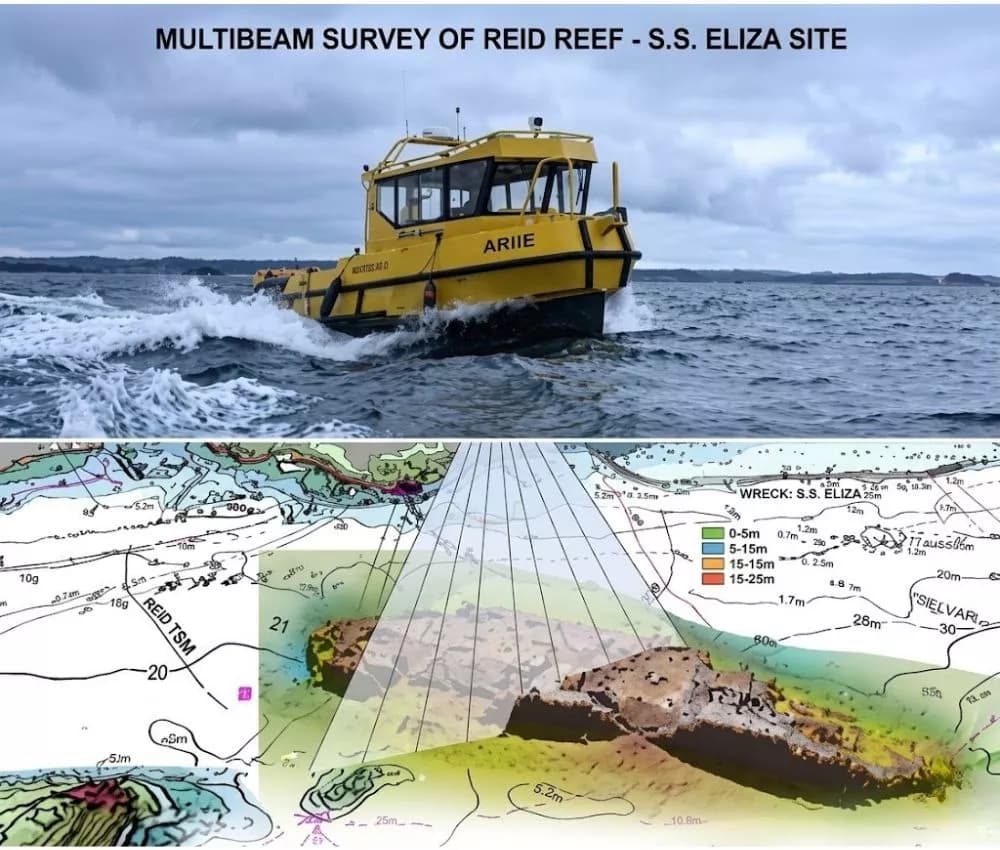
5. Bathymetric Surveys and Seabed Mapping
Bathymetric surveys provide information on water depths and seabed topography for environmental studies, marine modelling and project planning.
Services may include:
Definition of survey coverage and accuracy requirements.
Water-depth measurements and seabed profiles.
Preparation of depth contours and bathymetric charts.
Digital seabed elevation models.
Comparison of repeat surveys to assess seabed changes.
Preparation of bathymetric datasets for numerical models.
Survey methods, positioning requirements and reference datums are established according to the intended use of the results.
6. ADCP Deployment and Current Profiling
Acoustic Doppler Current Profiler (ADCP) measurements help characterize current speed and direction through the water column.
ETLCO supports the planning, deployment and interpretation of current measurement programs to provide site-specific inputs for marine assessments.
Depending on the instrument configuration and study design, services may include:
Selection of deployment locations and monitoring periods.
Measurement of current profiles at different depths.
Evaluation of tidal and residual circulation patterns.
Data quality review and processing.
Preparation of current summaries and visualizations.
Use of observations to support model calibration and validation.
Deployment duration is selected to capture the conditions relevant to the study, with seasonal coverage considered where needed.
7. Drone and Aerial Surveys
Drone and aerial surveys provide complementary information on accessible coastal and intertidal areas.
Potential applications include:
Mapping shoreline features.
Documenting coastal construction progress.
Surveying exposed intertidal habitats.
Recording visible erosion or shoreline changes.
Producing aerial imagery and orthomosaics.
Supporting habitat mapping where visibility and survey conditions permit.
Survey arrangements account for access, weather, flight permissions and site restrictions. Aerial imagery is combined with field verification where needed.
Advanced Marine Modelling Studies
1. Hydrodynamic Modelling
Hydrodynamic models assess how water moves within the study area under selected conditions.
Studies may evaluate:
Tidal currents and water levels.
Wind-driven circulation.
Current speed and direction.
Water exchange and flushing.
Changes associated with proposed marine structures or coastal layouts.
Results help explain the physical processes that influence pollutant transport, sediment movement and project impacts.
2. Marine Transport and Discharge Dispersion Modelling
We evaluate the transport and dilution of selected discharges to support outfall planning and environmental assessment.
Applications may include:
Industrial and treated wastewater discharges.
Brine dispersion from desalination facilities.
Thermal discharges from cooling systems.
Transport of selected dissolved constituents.
Accidental release scenarios, where included in the scope.
Studies can compare operating conditions and discharge configurations to identify potential areas of influence and inform mitigation measures.
3. Sediment Transport, Dredging Plume and Erosion Modelling
Sediment modelling helps assess how dredging, construction or changes in circulation may affect suspended sediment and seabed conditions.
Depending on the project, studies may address:
Dredging plume movement.
Suspended sediment concentrations.
Sediment settling and deposition.
Seabed erosion and accretion.
Potential exposure of sensitive habitats.
Comparison of construction methods or operating schedules.
Results support decisions on work sequencing, monitoring locations and measures to reduce environmental disturbance.
4. Coastal and Marine Risk Assessments
ETLCO combines survey evidence and modelling results to assess environmental risks associated with proposed or existing activities.
Assessments may consider accidental releases, exposure of sensitive habitats, discharge impacts and changes in coastal or seabed conditions.
Findings help clients prioritize prevention measures, develop contingency arrangements and identify where additional data or specialist studies are necessary.
5. Two-Dimensional and Three-Dimensional Modelling
We select the modelling approach according to the physical processes, available data and decisions the study needs to support.
Two-dimensional models may be suitable where depth-averaged conditions adequately represent the problem. Three-dimensional models may be needed where vertical variations in currents, temperature, salinity or discharge behaviour are important.
The model setup, assumptions and limitations are documented so that project teams can interpret the results appropriately.
Reliable Data and Transparent Interpretation
The usefulness of a marine model depends on the quality of its inputs and how well it represents site conditions.
ETLCO’s study approach includes reviewing available data, identifying gaps, checking field and laboratory results, and comparing model outputs with observations where suitable datasets are available.
Reports explain scenario assumptions, uncertainty and limitations. Predictions represent the assessed conditions and provide a basis for decisions and monitoring.
Support for Environmental Assessment and Regulatory Review
Our marine studies can support Environmental Impact Assessments, permit applications, construction monitoring and operational environmental management.
We define the scope with reference to applicable NCEC requirements, RCER provisions, project permit conditions and relevant client specifications. Technical support may include preparing study plans, compiling supporting evidence and responding to review comments within the agreed scope.
Final acceptance remains subject to the relevant authority’s review and decision.
Project Deliverables
Depending on the agreed scope, deliverables may include:
Marine baseline and ecological survey reports.
Habitat maps and GIS datasets.
Water and sediment analytical results.
Bathymetric charts and digital seabed models.
ADCP datasets and current assessment reports.
Hydrodynamic and dispersion modelling reports.
Sediment transport and dredging plume assessments.
Scenario maps and visualizations.
Environmental risk assessments.
Monitoring and mitigation recommendations.
Discuss Your Marine Study with ETLCO
Share your project location, study area, development stage, proposed activities and available marine data.
For modelling assignments, include details of discharges, dredging activities or proposed structures, together with the questions the study needs to answer and any authority or client specifications.
Our team will prepare a technical and commercial proposal that connects the necessary surveys, analyses and modelling into a coordinated study.

Energy Efficiency and Carbon Neutrality Services
Energy Efficiency and Carbon Neutrality Services in Saudi Arabia
Understand your energy use, reduce emissions, and build a practical roadmap toward your climate goals.
ETLCO helps organizations improve energy performance, assess greenhouse gas emissions, and develop achievable carbon reduction strategies.
Our services support industrial facilities, manufacturing operations, commercial buildings, and infrastructure projects seeking to reduce energy waste, manage operating costs, and strengthen environmental performance.
We connect assessments with action—helping clients establish baselines, prioritize improvement measures, assign responsibilities, and monitor results. Each engagement reflects the organization’s operations, available data, investment priorities, and sustainability objectives.
What Our Services Deliver for Your Organization
Visibility into energy consumption: Understand where energy is used and identify significant sources of inefficiency.
Prioritized improvement opportunities: Compare potential savings, implementation requirements, and operational benefits.
A documented emissions baseline: Establish a foundation for carbon reduction planning and performance tracking.
Practical implementation plans: Define actions, responsibilities, milestones, and monitoring arrangements.
Stronger sustainability reporting: Communicate progress using clearly defined boundaries and supporting evidence.
A structured path toward climate goals: Connect long-term ambitions with measurable operational improvements.
Our Energy Efficiency and Carbon Neutrality Services
1. Energy Audits and Assessments
ETLCO assesses energy use to identify inefficiencies and opportunities for conservation across buildings, equipment, and industrial operations.
Depending on the agreed scope, the assessment may include:
Reviewing electricity, fuel, and other energy consumption records.
Evaluating operating schedules and energy demand patterns.
Identifying significant energy-consuming systems and processes.
Reviewing equipment loading, operating practices, and maintenance conditions.
Assessing avoidable consumption during idle or non-production periods.
Identifying opportunities for further measurement or detailed engineering assessment.
Preparing a prioritized list of energy improvement measures.
Potential areas for assessment include lighting, heating and cooling, compressed air, pumping, motors, steam systems, and process heating, where relevant to the facility.
The depth of the audit is defined at the outset, from an initial review to a more detailed assessment supported by site measurements and operational data.
2. Energy Benchmarking and Performance Baselines
Meaningful benchmarking helps organizations understand their energy performance and track improvement over time.
ETLCO develops energy baselines and performance indicators suited to the facility’s activities and available information.
Services may include:
Establishing baseline energy consumption for a defined period.
Developing indicators such as energy use per unit of production or occupied floor area.
Comparing performance across facilities, processes, or operating periods.
Considering factors such as production levels, operating hours, occupancy, and weather.
Comparing results with relevant benchmarks where suitable data are available.
Identifying unusual consumption patterns and areas requiring investigation.
We interpret comparisons in the context of operating conditions so that differences in activity are not mistaken for changes in efficiency.
3. Energy Management and Operational Optimization
ETLCO helps clients turn assessment findings into a practical energy management program.
The scope may include:
Defining energy management responsibilities.
Establishing measurable objectives and improvement targets.
Reviewing equipment scheduling and operating practices.
Identifying opportunities to reduce idle running and unnecessary demand.
Improving energy data collection and management reporting.
Developing inspection and maintenance priorities related to energy performance.
Preparing employee awareness and operational guidance.
Establishing periodic performance reviews.
Recommendations are developed with consideration of production requirements, equipment limitations, product quality, and safe operation.
4. Energy-Saving Measures and Implementation Planning
We help organizations evaluate and prioritize proposed improvements before committing resources.
Depending on the project, this may include:
Estimating potential energy and operating cost savings.
Reviewing implementation costs and indicative payback periods.
Identifying operational constraints and shutdown requirements.
Comparing operational improvements with equipment upgrade options.
Reviewing opportunities for heat recovery and improved process integration.
Assessing cleaner energy options at a preliminary level.
Preparing phased implementation schedules.
Defining requirements for detailed design, procurement, and specialist installation.
Savings estimates are presented with their assumptions and data limitations. Actual savings depend on implementation, operating conditions, and subsequent performance.
5. Carbon Footprint Assessments
ETLCO helps organizations quantify greenhouse gas emissions within clearly defined organizational and reporting boundaries.
Services may include:
Defining the reporting period and organizational boundary.
Identifying relevant emissions sources.
Reviewing fuel, electricity, refrigerant, transport, and other activity data.
Assessing direct emissions and emissions associated with purchased energy.
Screening relevant value-chain emissions for inclusion in the agreed scope.
Selecting and documenting calculation methods and emission factors.
Identifying data gaps and estimation requirements.
Preparing an emissions inventory and supporting records.
The assessment provides a baseline for identifying emissions priorities, setting reduction objectives, and monitoring progress.
6. Carbon Reduction Strategies and Decarbonization Roadmaps
ETLCO develops carbon reduction strategies that connect emissions findings with practical business decisions.
Potential measures may include:
Improving energy efficiency.
Reducing unnecessary fuel and electricity consumption.
Evaluating suitable electrification opportunities.
Reviewing renewable energy options.
Reducing refrigerant losses.
Improving transport and logistics efficiency.
Reducing material waste and associated emissions.
Engaging suppliers on relevant value-chain emissions.
The resulting roadmap identifies priority initiatives, responsible teams, implementation milestones, resource needs, and performance indicators.
Targets and timelines are developed according to the organization’s baseline, operational context, and capacity to deliver change.
7. Carbon Neutrality Planning and Carbon Offsetting Advisory
ETLCO helps clients structure their approach to carbon neutrality by defining what is covered, identifying reduction opportunities, and assessing how residual emissions will be addressed.
The scope may include:
Defining the activities, facilities, or reporting period covered by the objective.
Establishing a documented emissions baseline.
Developing a reduction-first action plan.
Identifying residual emissions after planned reductions.
Reviewing proposed offsetting arrangements and supporting documentation.
Assessing how credits are tracked and retired to support the intended claim.
Preparing transparent reporting on reductions, residual emissions, and offsets.
Carbon offsets are reported separately from reductions achieved within operations or the value chain. Any carbon neutrality claim requires evidence appropriate to its stated scope and chosen framework.
8. Monitoring and Evaluation of Results
Monitoring helps organizations determine whether improvement measures are delivering the intended outcomes.
ETLCO supports the development of measurement and review arrangements, which may include:
Defining baseline and post-implementation comparison periods.
Identifying appropriate meters, records, and data sources.
Establishing energy and emissions performance indicators.
Accounting for relevant changes in production or operating conditions.
Comparing actual performance with planned outcomes.
Investigating deviations and identifying corrective actions.
Updating estimates, targets, and implementation priorities.
These arrangements support more reliable evaluation of energy savings and emissions reductions.
9. Sustainability and Carbon Reporting
ETLCO helps organizations communicate their energy and emissions performance through structured, evidence-based reporting.
Services may include:
Organizing energy and greenhouse gas data.
Documenting reporting boundaries and calculation methods.
Presenting baselines, targets, and progress indicators.
Summarizing implemented measures and remaining priorities.
Explaining estimates, data gaps, and methodological changes.
Preparing information for management, customers, and other stakeholders.
Supporting preparation for independent review where required.
Reporting support is tailored to the organization’s chosen framework and audience. Independent assurance or certification, where needed, is a separate activity.
Support for Environmental and Business Requirements
Our work considers the environmental obligations, permit conditions, contractual requirements, and reporting expectations relevant to the engagement.
We help clients connect energy and carbon initiatives with their wider environmental management programs while maintaining clear records of assumptions, actions, and results.
What Your Organization Receives
Depending on the agreed scope, deliverables may include:
An energy audit or assessment report.
Energy baselines and performance indicators.
A prioritized energy efficiency improvement plan.
Indicative savings and implementation cost assessments.
A greenhouse gas emissions inventory.
A carbon reduction strategy and implementation roadmap.
A carbon neutrality planning framework.
An assessment of proposed carbon offsetting arrangements.
Monitoring templates and progress reporting tools.
Sustainability and carbon reporting documentation.
Start Improving Your Energy and Carbon Performance with ETLCO
Share your facility locations, operating activities, energy bills, fuel consumption records, production information, and sustainability objectives. Include any existing energy audits, emissions inventories, or reporting requirements.
Our team will review your information and prepare a technical and commercial proposal defining the assessment scope, data requirements, deliverables, and schedule.

Environmental Hazard and Risk Assessments, HAZID and HAZOP Studies
Identify hazards early, understand their consequences, and turn risk assessments into practical safeguards.
ETLCO provides environmental hazard and risk assessment services to help organizations identify potential threats to people, wildlife, ecosystems, and surrounding communities.
We support project developers, industrial operators, and infrastructure providers in evaluating risks associated with their activities, facilities, and materials. Our approach combines available scientific data, site information, structured hazard reviews, and appropriate analytical methods to support informed decisions.
From early project planning to operational changes, our services help clients prioritize risk reduction measures, strengthen emergency preparedness, and address applicable environmental requirements.
What Our Assessments Deliver for Your Organization
A clear understanding of hazards: Identify potential sources of harm and the conditions that could lead to an incident.
Prioritized risks: Evaluate potential consequences and likelihood to focus attention on the most significant concerns.
Practical mitigation measures: Define actions to prevent incidents or reduce their effects.
Stronger emergency preparedness: Connect credible incident scenarios with response planning.
Documented responsibilities: Assign actions, owners, and completion schedules.
Evidence for environmental review: Prepare structured findings that support project assessments and compliance management.
Our Environmental Hazard and Risk Assessment Services
1. Hazard Identification — HAZID
ETLCO supports structured hazard identification studies to examine activities, materials, site conditions, and operational interfaces that could create environmental or safety risks.
The scope may include:
Chemical and fuel storage, handling, and transfer.
Potential spills, leaks, and loss of containment.
Air emissions and unintended releases.
Wastewater discharges and treatment system failures.
Hazardous waste handling and storage.
Construction, maintenance, and non-routine activities.
Natural events that could affect environmental controls.
Interactions with neighboring facilities and sensitive locations.
Findings are organized into a hazard register describing potential causes, consequences, existing controls, and recommended follow-up actions.
2. Hazard and Operability Studies — HAZOP
ETLCO supports project-specific HAZOP studies to systematically examine how deviations from intended process conditions could create hazards or operating problems.
HAZOP is a process hazard study conducted with a multidisciplinary team. It complements environmental assessment by examining process deviations that may lead to releases, equipment damage, or other harmful outcomes.
The agreed scope may include:
Reviewing process descriptions and relevant engineering documentation.
Defining study sections, operating intentions, and review boundaries.
Examining deviations involving flow, pressure, temperature, level, and composition.
Identifying potential causes and consequences.
Reviewing documented safeguards.
Recording recommendations and unresolved technical questions.
Assigning actions and supporting follow-up reviews.
Study arrangements are defined according to process complexity, design maturity, available information, and the specialist disciplines required.
A HAZOP identifies hazards and operability concerns; additional analysis may be needed to quantify incident likelihood or consequences.
3. Qualitative and Quantitative Risk Assessments
ETLCO helps clients select an assessment approach proportionate to the hazards, decision requirements, and available data.
Qualitative assessments use defined likelihood and consequence criteria to compare risks and establish priorities. They can support initial screening, operational reviews, and the development of risk registers.
Quantitative assessments, where appropriate, use numerical inputs and analytical methods to estimate specified consequences, event frequencies, or risk measures.
The scope may include:
Defining credible incident scenarios.
Identifying people, habitats, and environmental resources that could be affected.
Reviewing existing prevention and mitigation measures.
Assessing initial and residual risks.
Comparing findings against agreed assessment criteria.
Identifying scenarios requiring further investigation.
Reports explain assumptions, data sources, and uncertainties so that decision-makers understand the limits of the findings.
4. Environmental Risk Modelling
Environmental modelling helps clients evaluate the potential extent and consequences of selected release scenarios.
Depending on project needs and available data, studies may address:
Atmospheric dispersion of specified releases.
Movement and dispersion of pollutants in receiving waters.
Potential contaminant migration in soil or groundwater.
Spill pathways and areas that could be affected.
Exposure at identified sensitive locations.
Comparisons between operating conditions or mitigation alternatives.
The modelling approach is selected for the scenario being assessed. Outputs may include maps, predicted concentrations, scenario comparisons, and recommendations for additional controls or monitoring.
5. Human Health and Ecological Risk Assessments — HERA
ETLCO evaluates potential risks associated with environmental contamination by examining the relationship between contaminant sources, exposure pathways, and the people or ecological features that may be affected.
The scope may include:
Reviewing environmental sampling and laboratory data.
Identifying contaminants of potential concern.
Developing a conceptual site model.
Evaluating relevant exposure pathways.
Identifying potentially exposed populations and ecological receptors.
Assessing risks using suitable project-specific criteria.
Identifying data gaps and further investigation needs.
Recommending exposure controls, monitoring, or remediation priorities.
These assessments support decisions concerning contaminated sites, industrial activities, and environmental management.
6. Health and Safety Hazard Assessment
ETLCO supports the assessment of health and safety hazards associated with environmental and operational activities within the agreed project scope.
Areas for review may include:
Exposure to airborne contaminants.
Chemical handling and storage activities.
Waste handling and sampling operations.
Maintenance and non-routine work.
Potential exposure during spills or abnormal releases.
Interfaces between employees, contractors, and nearby communities.
The assessment identifies affected groups, reviews existing precautions, and recommends additional measures where needed.
7. Emergency Preparedness and Environmental Contingency Planning
We help organizations translate risk scenarios into practical emergency planning arrangements.
Services may include:
Identifying credible environmental emergencies.
Developing spill and accidental release response procedures.
Defining notification, escalation, and communication arrangements.
Assigning roles and responsibilities.
Identifying response resources and specialist support needs.
Establishing priorities for protecting sensitive areas.
Planning incident-related monitoring and documentation.
Defining training, exercise, and plan review requirements.
Plans reflect the facility’s risks, available resources, and operating arrangements. They support preparedness and coordination with the parties responsible for emergency response.
8. Risk Mitigation and Corrective Action Plans
ETLCO develops action plans that connect assessment findings with practical improvements.
Depending on the identified risks, recommendations may address:
Eliminating or reducing hazardous activities where feasible.
Improving containment and pollution prevention measures.
Strengthening inspection and maintenance arrangements.
Updating operating procedures and access controls.
Improving monitoring and early detection.
Enhancing employee awareness and training.
Strengthening emergency preparedness.
Reviewing risks following operational or design changes.
Each action can be assigned an owner, priority, target date, and completion evidence requirement to support effective follow-up.
9. Environmental Compliance Support
ETLCO helps clients organize risk assessment findings and supporting documentation in relation to the requirements applicable to their project.
Services may include:
Reviewing relevant environmental permit conditions.
Connecting risk findings with environmental management plans.
Supporting environmental assessment documentation.
Preparing risk registers and corrective action records.
Supporting technical responses to review comments.
Identifying further studies or specialist reviews required.
The applicable obligations are established according to the project’s location, activities, and responsible authorities. Assessment findings support compliance management; they do not replace required permits or authority decisions.
Our Assessment Process
1. Define the Scope
We review the facility or project, assessment objectives, available information, and activities to be examined.
2. Identify Hazards and Scenarios
We combine document review, site observations, and structured discussions to identify hazards and credible incident scenarios.
3. Assess Risks and Existing Controls
We evaluate potential consequences, relevant likelihood information, and the safeguards already in place.
4. Develop Recommendations
We identify additional controls and prioritize actions according to the assessment findings.
5. Report and Support Follow-Up
We prepare clear technical documentation and, where included in the scope, support action tracking and subsequent review.
What Your Project Receives
Depending on the agreed scope, deliverables may include:
A hazard identification report and register.
HAZOP worksheets and an action register.
Qualitative or quantitative risk assessment reports.
Environmental modelling outputs and scenario maps.
Human health and ecological risk assessment findings.
Risk mitigation and corrective action plans.
Emergency preparedness or contingency planning documents.
A summary of assumptions, limitations, and further information needs.
Discuss Your Risk Assessment Requirements with ETLCO
Share your project location, facility activities, process descriptions, chemical inventories, and assessment objectives. Include available site layouts, environmental data, incident records, and permit conditions.
For HAZOP studies, provide the relevant process flow diagrams, piping and instrumentation diagrams, operating information, and details of proposed modifications where available.
Our team will review your requirements and prepare a technical and commercial proposal defining the study scope, required inputs, specialist participation, deliverables, and schedule.
Contaminated Land and Remediation new
Contaminated Land Assessment and Remediation Services in Saudi Arabia
Understand contamination. Plan effective remediation. Prepare your site for its next use.
ETLCO provides contaminated land assessment, remediation planning and site rehabilitation support to help industrial operators, developers and landowners manage environmental risks and make informed decisions.
Our services address soil and groundwater contamination, historical industrial impacts and the rehabilitation of degraded or contaminated sites. We develop project-specific studies and plans to support the applicable requirements of the National Center for Environmental Compliance (NCEC) and the Royal Commission for Jubail and Yanbu (RC), according to the site’s location and regulatory jurisdiction.
From initial site investigations to remediation verification, ETLCO helps turn environmental findings into practical actions for site management, redevelopment and closure.
Identify Environmental Risks Before They Affect Your Project
Contamination may remain undetected beneath operating facilities, former industrial sites, storage areas or undeveloped land. Understanding its nature and extent helps your team plan appropriate controls and avoid unexpected complications during excavation, construction or property redevelopment.
Our services help you:
Identify potential contamination sources and affected areas.
Assess soil and groundwater conditions.
Understand potential risks to people and the environment.
Evaluate remediation options and implementation priorities.
Establish clear rehabilitation objectives.
Prepare documentation for review by the relevant authority.
Verify remediation outcomes against agreed objectives.
Our Contaminated Land and Remediation Services
1. Site Characterization and Preliminary Assessment
We begin by reviewing the site’s history, current activities and environmental setting to identify areas requiring further investigation.
The assessment may include:
Historical and current land uses.
Previous industrial processes and storage activities.
Chemical, fuel and waste handling areas.
Available records of spills, leaks and environmental incidents.
Existing monitoring data and previous investigation reports.
Nearby communities, water resources and other sensitive receptors.
Site drainage, ground conditions and potential contamination pathways.
This review provides the basis for a focused investigation strategy.
2. Phase I Environmental Site Assessment
A Phase I Environmental Site Assessment evaluates available information and site observations to identify potential environmental concerns.
Depending on the agreed scope, activities may include document reviews, site reconnaissance and discussions with site personnel.
The assessment helps identify whether further investigation is warranted. It does not normally include intrusive sampling and cannot, on its own, confirm that a site is free from contamination.
3. Phase II Environmental Site Assessment
Where potential contamination is identified, ETLCO develops a targeted investigation to assess site conditions through sampling and laboratory analysis.
Depending on the site and investigation objectives, the scope may include:
Soil sampling at selected locations and depths.
Groundwater investigation and sampling, where relevant.
Sampling of sediment, surface water or other affected materials.
Analysis of contaminants associated with historical or current activities.
Evaluation of the distribution and extent of identified contamination.
Identification of data gaps requiring further investigation.
Analytical parameters may include petroleum hydrocarbons, volatile and semi-volatile organic compounds, metals and other site-specific contaminants.
4. Environmental Risk Assessment
The presence of a contaminant does not, by itself, define the level of risk. Risk assessment considers how contaminants could reach people or environmental receptors under current or proposed site conditions.
We evaluate the relationship between:
Sources: Where contamination originates or remains.
Pathways: How contaminants may move or cause exposure.
Receptors: People, groundwater, ecosystems or other potentially affected resources.
This assessment helps prioritize actions and develop remediation objectives appropriate to the site’s intended use and applicable regulatory requirements.
5. Remediation Feasibility Studies and Technology Selection
ETLCO evaluates potential remediation approaches to help clients select a practical strategy.
Depending on the contamination and site conditions, options considered may include excavation and off-site treatment or disposal, containment, biological treatment, physical or chemical treatment, and groundwater management.
Options are assessed against factors such as:
Contaminant type, concentration and distribution.
Soil characteristics and groundwater conditions.
Expected treatment effectiveness.
Site access and operational constraints.
Implementation time and indicative costs.
Waste generation and disposal requirements.
Monitoring needs and long-term management obligations.
The preferred approach is developed from site evidence and project objectives, subject to the applicable authority’s requirements.
6. Customized Soil and Groundwater Remediation Plans
We prepare remediation plans that translate investigation findings into a defined scope of work.
Plans may address:
Remediation objectives and assessment criteria.
Areas and materials requiring treatment or management.
Proposed techniques and implementation sequence.
Excavation, segregation and temporary storage arrangements.
Measures to prevent contaminant migration during works.
Management of contaminated water and excavated materials.
Environmental monitoring and verification sampling.
Responsibilities, reporting and contingency actions.
Clear planning helps clients and remediation contractors understand the required outcomes and how those outcomes will be evaluated.
7. Rehabilitation of Degraded or Contaminated Sites
ETLCO develops rehabilitation plans for sites affected by contamination or environmental degradation, supporting submissions to NCEC or the Royal Commission where applicable.
The scope is tailored to the site’s condition, intended future use and identified environmental risks.
Rehabilitation planning may include:
Removal or management of contamination sources.
Treatment or management of affected soil and groundwater.
Restoration of disturbed ground and suitable surface conditions.
Erosion control and drainage improvements, where needed.
Revegetation or habitat restoration measures, where appropriate.
Post-rehabilitation monitoring and maintenance.
Documentation of remaining restrictions or management requirements.
The objective is to establish a site condition suitable for the agreed use, with environmental risks appropriately managed.
8. Remediation Monitoring and Verification
ETLCO provides monitoring and verification support to assess whether completed remediation works meet the agreed objectives.
Depending on the project, this may include:
Field observations during remediation activities.
Verification sampling of treated areas or excavation boundaries.
Laboratory analysis of soil, groundwater and other relevant samples.
Review of treatment performance and material management records.
Identification of areas requiring additional action.
Preparation of verification and completion reports.
Verification findings provide evidence for project closeout and authority review. Regulatory closure remains subject to acceptance by the relevant authority.
Support for NCEC and Royal Commission Requirements
ETLCO structures assessments and remediation documentation around the requirements applicable to each site, including relevant NCEC requirements, Royal Commission Environmental Regulations and project-specific permit conditions.
Our support may include reviewing authority correspondence, identifying required studies, preparing technical submissions and responding to review comments within the agreed scope.
Remediation criteria and monitoring requirements are selected according to the applicable regulatory framework and site conditions. Where site-specific objectives are proposed, these are documented for discussion and acceptance by the relevant authority.
What Your Project Receives
Depending on the agreed scope, deliverables may include:
Preliminary site assessment and investigation reports.
Phase I and Phase II Environmental Site Assessments.
Sampling plans, analytical results and contamination maps.
Environmental risk assessments.
Remediation feasibility studies.
Soil and groundwater remediation plans.
Degraded or contaminated site rehabilitation plans.
Monitoring, verification and completion reports.
Technical responses supporting regulatory review.
Environmental Expertise Connected to Practical Site Decisions
ETLCO combines environmental consultancy, field sampling and laboratory analysis to support a coordinated approach to contaminated land management.
We help clients understand the evidence, compare available options and develop actions that reflect site conditions, operational needs and regulatory expectations.
Discuss Your Site with ETLCO
Share your site location, current and previous activities, intended future use, available investigation reports and any correspondence from NCEC or the Royal Commission.
Our team will review the information and prepare a technical and commercial proposal covering the assessment, remediation planning or rehabilitation support your site requires.
Waste Management Planning and Waste Minimization Services
Reduce waste at the source, improve resource efficiency, and establish clear controls from generation to final disposal.
ETLCO provides waste management planning and waste minimization services that help organizations understand their waste streams, identify reduction opportunities, and develop practical arrangements for responsible handling, storage, recovery, treatment, and disposal.
We support industrial facilities, construction projects, commercial operations, and infrastructure developments with plans tailored to their activities, waste characteristics, site conditions, and applicable requirements.
Our approach connects waste assessment with implementation—helping your team establish responsibilities, evaluate management options, and measure improvements in waste performance.
How Our Services Support Your Operations
A well-developed waste management plan helps organizations control environmental risks and identify opportunities to reduce material losses and waste-related costs.
ETLCO helps clients:
Identify waste sources, types, quantities, and characteristics.
Prevent and minimize waste generation.
Improve segregation and reduce contamination of recoverable materials.
Establish suitable handling and temporary storage arrangements.
Evaluate reuse, recycling, recovery, treatment, and disposal options.
Organize compliance records and service-provider documentation.
Assign responsibilities and strengthen employee awareness.
Track waste performance and prioritize continual improvement.
Our Waste Management Planning Services
1. Waste Stream Assessment and Characterization
Understanding what your operations generate is the foundation of effective waste management.
ETLCO reviews processes, materials, and existing records to develop a waste inventory and identify streams requiring further assessment or laboratory testing.
The scope may include:
Identifying waste-generating activities and locations.
Reviewing raw materials, process inputs, and material losses.
Assessing waste quantities, generation frequency, and seasonal variations.
Describing physical and chemical characteristics.
Reviewing potential hazardous properties.
Developing sampling and analysis requirements where necessary.
Preparing waste profiles to support classification and management decisions.
Where testing is required, the analytical scope is selected according to the waste matrix, suspected contaminants, and relevant classification or receiving-facility requirements.
2. Regulatory Compliance Review
ETLCO helps clients identify and organize the waste-related obligations applicable to their operations.
The review considers the waste types, site jurisdiction, environmental permits, and proposed management arrangements. Where relevant, it addresses requirements associated with the National Center for Waste Management (MWAN), the National Center for Environmental Compliance (NCEC), and the Royal Commission.
Services may include:
Reviewing permit conditions and waste-related obligations.
Assessing existing handling, storage, and documentation practices.
Identifying gaps requiring corrective action.
Reviewing service-provider authorizations against the proposed activities.
Identifying waste tracking and reporting requirements.
Preparing a compliance action register with assigned responsibilities.
The applicable requirements and approval arrangements are established for each project and waste stream.
3. Waste Minimization and Source Reduction Planning
ETLCO places waste minimization at the center of the planning process. We help clients identify how waste can be prevented or reduced before it requires collection, treatment, or disposal.
Our assessment may consider:
Improving material purchasing and inventory control.
Reducing expired, damaged, or surplus materials.
Optimizing material use and process efficiency.
Reviewing opportunities for suitable material substitution.
Reducing product defects, rejected batches, and rework.
Improving housekeeping and material handling.
Preventing leaks, spills, and avoidable material losses.
Reducing unnecessary packaging and single-use materials.
Evaluating internal reuse and process recirculation opportunities where technically suitable.
Each opportunity is assessed in the context of product quality, operational requirements, safety, feasibility, and environmental benefit.
4. Waste Reduction Targets and Implementation Programs
We translate waste minimization opportunities into an actionable improvement program.
The program may include:
Establishing baseline waste generation.
Setting realistic reduction objectives for priority waste streams.
Defining performance indicators, such as waste generated per unit of production.
Prioritizing initiatives by feasibility, expected benefit, and implementation cost.
Assigning action owners and completion dates.
Identifying resource and training needs.
Establishing progress reviews and corrective actions.
Using both total waste quantities and activity-based indicators helps organizations understand whether improvements reflect greater efficiency or changes in production levels.
5. Waste Segregation Systems
Effective segregation supports safer handling and improves the suitability of materials for reuse or recycling.
ETLCO develops segregation arrangements suited to the waste streams and physical layout of the site.
Services may include:
Defining waste categories and collection points.
Recommending appropriate containers and identification systems.
Planning separation of hazardous, non-hazardous, recyclable, and general waste.
Identifying incompatible wastes that require separate storage.
Reducing mixing that could contaminate recoverable materials.
Preparing signage and employee instructions.
Establishing inspection and housekeeping arrangements.
The plan connects segregation at the point of generation with subsequent storage, collection, and transfer.
6. Waste Handling and Temporary Storage Planning
ETLCO helps clients develop practical arrangements for managing waste while it remains on site.
Depending on the waste characteristics, planning may address:
Internal collection routes and transfer procedures.
Container suitability, labeling, and closure.
Designated storage areas and access controls.
Spill prevention and secondary containment needs.
Protection from weather and contact with soil or drainage systems.
Inspection schedules and container condition checks.
Waste accumulation tracking and collection schedules.
Procedures for damaged containers, leaks, and unexpected waste.
Recommendations reflect site conditions and the specific hazards of the materials involved.
7. Reuse, Recycling, and Resource Recovery Assessment
We help organizations identify opportunities to recover value from materials that would otherwise enter the disposal stream.
The assessment may include:
Reviewing potential internal reuse applications.
Identifying recyclable materials and suitable recovery routes.
Assessing contamination and segregation barriers.
Reviewing specifications required by receiving facilities.
Evaluating collection logistics and storage needs.
Comparing potential benefits with handling and processing costs.
Defining records needed to substantiate recovery outcomes.
Proposed routes are evaluated for technical suitability and the receiving provider’s ability and authorization to accept the material.
8. Waste Treatment and Disposal Planning
For waste that cannot reasonably be prevented, reused, or recovered, ETLCO supports the evaluation of suitable treatment and disposal arrangements.
Services may include:
Identifying management options appropriate to each waste stream.
Reviewing treatment needs based on waste characteristics.
Assessing receiving-facility acceptance criteria.
Identifying additional testing or pretreatment requirements.
Reviewing transportation and transfer arrangements.
Developing contingency options for rejected loads or service interruptions.
Defining the documentation required to track waste to its destination.
Our services focus on assessment, planning, and technical support. Transportation, treatment, and disposal are carried out by appropriately authorized service providers.
9. Treatment and Disposal Methods Evaluation
ETLCO helps clients compare management alternatives and document the basis for selecting an appropriate route.
Evaluation criteria may include:
Waste composition and hazardous properties.
Technical suitability and treatment effectiveness.
Environmental risks and secondary waste generation.
Facility acceptance conditions and applicable authorizations.
Transportation distance and handling requirements.
Service availability and operational reliability.
Overall management cost and recordkeeping requirements.
The outcome is a documented comparison that supports informed decisions for individual waste streams.
10. Training, Tracking, and Performance Review
A waste management plan depends on consistent implementation across the organization.
ETLCO supports implementation through:
Defining responsibilities for employees, supervisors, and contractors.
Developing awareness materials and practical instructions.
Preparing waste inspection checklists.
Establishing waste generation and transfer records.
Tracking reuse, recycling, treatment, and disposal quantities.
Reviewing performance against waste reduction targets.
Identifying corrective actions and updating the plan.
These arrangements help management monitor results and address recurring problems.
What Your Organization Receives
Depending on the agreed scope, deliverables may include:
A waste inventory and waste stream profiles.
A waste characterization report and relevant analytical results.
A compliance review and corrective action register.
A site-specific waste management plan.
A waste minimization and source reduction action plan.
Segregation, handling, and temporary storage procedures.
An assessment of reuse, recycling, treatment, and disposal options.
Waste tracking forms and performance indicators.
Employee awareness materials and inspection checklists.
A schedule for implementation and periodic review.
Plan for Less Waste and Better Environmental Performance
Share your facility’s activities, process information, waste types, estimated quantities, existing management arrangements, and environmental permit conditions with ETLCO. Include available laboratory reports, disposal records, and any specific waste reduction objectives.
Our team will review your requirements and prepare a technical and commercial proposal for a waste management and minimization program suited to your operations.
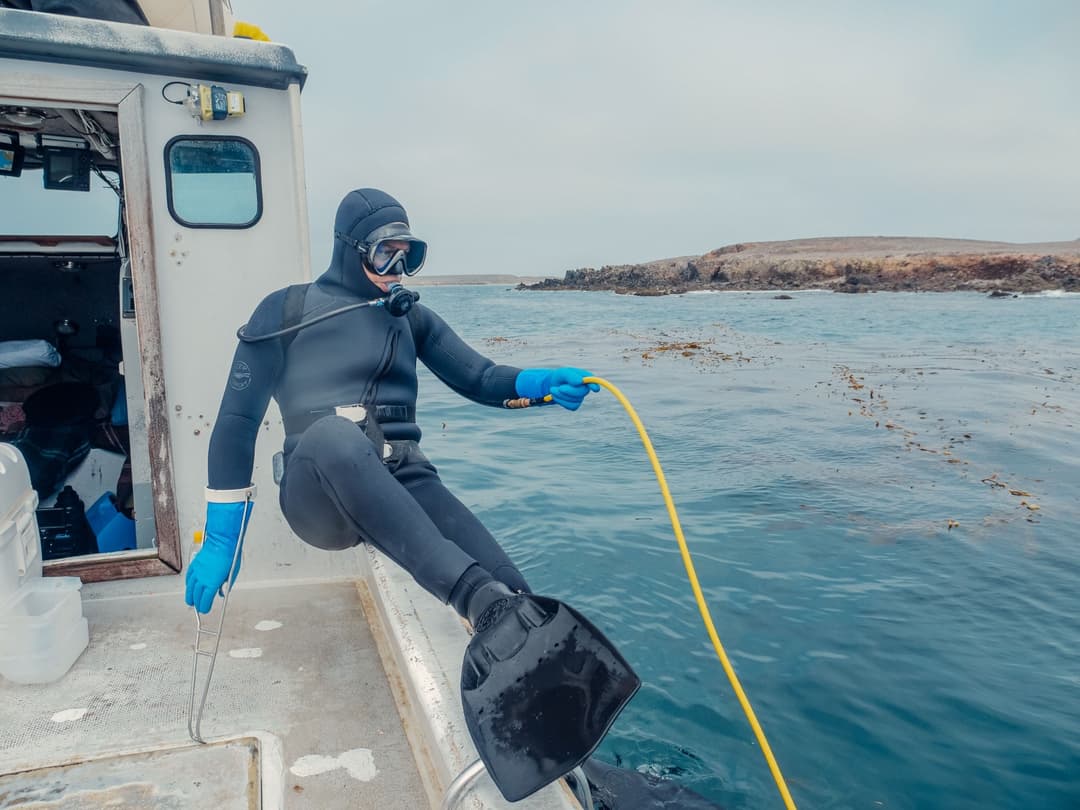
Offshore and Oilfield Environmental Consulting Services
Understand environmental risks. Protect sensitive habitats. Plan responsible offshore and oilfield operations.
ETLCO provides specialized environmental consulting services for offshore oil and gas projects, onshore oilfields and associated coastal infrastructure.
We help operators, developers and contractors assess environmental conditions, evaluate potential impacts and develop practical measures for managing risks throughout project planning, construction, drilling, production and decommissioning.
Our services combine environmental assessments, field investigations, laboratory analysis, marine modelling and bathymetric surveys to support informed decisions and regulatory submissions. Each assignment is tailored to the project’s location, activities, environmental sensitivities and applicable requirements, including those of the National Center for Environmental Compliance (NCEC) and other competent authorities.
Environmental Support Throughout Your Project
Offshore and oilfield activities require careful coordination between operational objectives and environmental protection. Early assessment helps identify sensitive areas, establish appropriate controls and prepare for foreseeable incidents.
ETLCO helps your team:
Establish baseline environmental conditions.
Identify potential impacts on marine and terrestrial environments.
Evaluate environmental considerations affecting project layouts and operating arrangements.
Assess spill risks and strengthen response preparedness.
Understand water movement and potential pollutant dispersion.
Obtain seabed information for environmental studies and project planning.
Develop monitoring programs and practical mitigation measures.
Prepare clear technical reports and supporting documentation.
Our Offshore and Oilfield Environmental Consulting Services
1. Environmental Impact Assessments
ETLCO prepares Environmental Impact Assessments for offshore and oilfield projects, addressing potential impacts associated with drilling, extraction, production and supporting infrastructure.
Depending on the project, the assessment may consider:
Air emissions from equipment, power generation and associated activities.
Produced water and other operational discharges.
Drilling fluids, cuttings and waste management.
Seabed disturbance and effects on sensitive habitats.
Soil and groundwater contamination risks at onshore facilities.
Noise and other disturbances requiring specialist assessment.
Accidental releases and spill scenarios.
Cumulative effects with nearby activities, where relevant.
Environmental considerations during closure and decommissioning.
The study identifies mitigation measures and monitoring needs appropriate to the project’s risks and development stage.
2. Marine and Onshore Baseline Studies
Baseline studies establish environmental conditions before project activities begin and provide a reference for subsequent monitoring.
The agreed scope may include:
Seawater and surface water quality.
Marine sediment quality.
Marine habitats and biodiversity.
Sensitive coastal features and ecological receptors.
Ambient air quality and environmental noise.
Soil and groundwater conditions at onshore sites.
Available oceanographic and meteorological information.
ETLCO integrates field observations, sampling results and existing information to identify environmental sensitivities and data gaps. Specialist survey requirements are defined according to the site and study objectives.
3. Marine Modelling and Environmental Predictions
Marine modelling helps project teams evaluate how water movement and environmental conditions may influence discharges, sediment plumes and accidental releases.
ETLCO develops project-specific modelling scopes to support environmental assessment, comparison of alternatives and mitigation planning. Depending on project requirements and data availability, studies may address:
Hydrodynamic modelling: Assessment of currents, tides, water circulation and flushing.
Discharge dispersion: Evaluation of the movement and dilution of selected discharges.
Thermal plume modelling: Assessment of temperature changes associated with heated water releases.
Salinity dispersion: Evaluation of saline discharge plumes, where relevant.
Sediment plume modelling: Assessment of suspended sediment transport and deposition associated with seabed disturbance.
Oil spill trajectory modelling: Evaluation of potential spill movement and shoreline exposure under selected scenarios.
Oil spill trajectories depend on factors such as winds, currents and release conditions. Scenario results therefore need to account for uncertainty and the quality of the input data.
Modelling deliverables may include maps, scenario comparisons, predicted areas of influence and recommendations for monitoring or mitigation. Reports document assumptions, data sources, calibration or validation where feasible, and limitations relevant to interpreting the results.
4. Marine Bathymetry and Seabed Mapping
Bathymetric surveys measure water depths and describe the shape of the seabed, providing information for marine planning and environmental studies.
ETLCO provides bathymetric survey support tailored to the project’s required coverage, accuracy and intended use.
Services may include:
Survey planning and definition of the area of interest.
Water-depth measurements and seabed profiling.
Preparation of bathymetric charts and depth contours.
Development of digital seabed elevation models.
Identification of seabed variations relevant to project planning.
Provision of bathymetric inputs for marine modelling.
Comparison of repeat surveys to assess seabed changes, where suitable data are available.
Survey methods, positioning requirements and reference datums are established before fieldwork. Where habitat identification or subsurface information is needed, complementary ecological or geophysical investigations are scoped separately.
5. Oil Spill Risk Assessment and Prevention Planning
ETLCO assesses credible spill scenarios to help clients understand potential consequences and identify preventive measures.
The assessment may consider:
Fuel and chemical storage.
Transfer, loading and unloading activities.
Pipelines and associated connections.
Drilling and production operations.
Equipment failure and loss-of-containment scenarios.
Nearby habitats, shorelines, communities and other sensitive receptors.
Existing containment systems and operational controls.
Findings support the prioritization of prevention measures, inspection needs and response resources.
6. Oil Spill Response Plans
We help clients develop response plans suited to their facilities, operating conditions and identified spill risks.
Plans may address:
Incident notification and escalation procedures.
Response roles and responsibilities.
Initial assessment and operational decision-making.
Protection priorities for sensitive areas.
Equipment and resource requirements.
Deployment strategies and access constraints.
Coordination with authorities and specialist response providers.
Management of recovered oil and contaminated materials.
Training needs, exercises and plan review arrangements.
These services focus on preparedness and planning. Response arrangements are developed around the resources, capabilities and authorizations available to the operator and its appointed responders.
7. Environmental Contingency Planning
Beyond oil spills, ETLCO supports planning for other foreseeable environmental incidents associated with offshore and oilfield operations.
Depending on the facility, scenarios may include chemical releases, wastewater treatment failures, abnormal discharges, waste handling incidents and severe weather affecting environmental controls.
Plans establish response priorities, communication arrangements, monitoring needs and recovery actions, helping teams prepare for credible operating risks.
8. Environmental Management and Monitoring Plans
We translate assessment findings into practical management measures for project implementation.
Plans may include:
Controls for emissions, discharges and waste.
Measures to protect sensitive marine and coastal areas.
Environmental responsibilities for operators and contractors.
Sampling locations, parameters and monitoring schedules.
Criteria for investigating unexpected results.
Corrective action and reporting procedures.
Post-incident or post-construction monitoring.
Monitoring programs are designed to assess performance and help identify when further action is needed.
9. Regulatory Documentation and Technical Review Support
ETLCO supports the preparation of environmental reports and supporting information for review by NCEC and other relevant authorities.
Our work may include reviewing permit conditions, identifying applicable study requirements, compiling field and laboratory evidence, and preparing responses to technical comments.
Applicable national requirements, project-specific permit conditions and relevant international or client standards are identified for each assignment. Final approvals remain subject to the competent authority’s review and decision.
Clear Deliverables for Project Decisions
Depending on the agreed scope, your project may receive:
Environmental Impact Assessment reports.
Baseline environmental study reports.
Water, sediment, soil and other laboratory results.
Marine modelling reports and scenario maps.
Bathymetric charts and digital seabed datasets.
Oil spill risk assessments and response plans.
Environmental contingency plans.
Environmental management and monitoring plans.
Technical submissions and responses to review comments.
Plan Your Offshore or Oilfield Environmental Study with ETLCO
Share your project location, development stage, proposed activities, site or offshore layout, anticipated discharges and available environmental information.
For marine modelling or bathymetric surveys, include the study area, intended use of the results, available depth and oceanographic data, and any client or authority specifications.
Our team will review your requirements and prepare a coordinated technical and commercial proposal.

Environmental Policy and Strategy Development
Turn environmental commitments into practical actions, measurable progress, and long-term business value.
ETLCO helps organizations develop environmental policies and strategies that connect business priorities with responsible environmental management. We support organizations in establishing clear commitments, identifying improvement opportunities, and creating practical plans to manage environmental risks.
Whether you are developing your first environmental policy, strengthening an existing management system, or planning your climate and sustainability priorities, our approach reflects your operations, resources, and objectives.
Our services connect policy development with implementation—defining responsibilities, performance indicators, and review processes that help your teams put commitments into practice.
How Our Services Support Your Organization
A clear environmental strategy helps management make informed decisions and direct resources where they can deliver meaningful improvements.
ETLCO helps you:
Establish environmental commitments relevant to your activities.
Identify environmental risks, impacts, and improvement priorities.
Organize compliance responsibilities and supporting records.
Set measurable objectives and realistic implementation schedules.
Integrate environmental considerations into operational and investment decisions.
Strengthen employee awareness and stakeholder communication.
Track performance and adjust plans as business needs evolve.
Our Environmental Policy and Strategy Services
1. Environmental Policy Development
We develop environmental policies that communicate your organization’s commitments and provide a clear foundation for environmental management.
Our work may include:
Reviewing existing policies, operational activities, and business priorities.
Identifying significant environmental issues and stakeholder expectations.
Defining commitments to pollution prevention, resource efficiency, and continual improvement.
Establishing management accountability and organizational responsibilities.
Preparing policy documents for leadership review and approval.
Planning internal communication and periodic policy reviews.
The result is a policy that reflects your organization and guides everyday decisions.
2. Environmental Strategy Formulation
ETLCO translates environmental commitments into a structured implementation roadmap.
We help identify priorities, assess improvement opportunities, and develop initiatives that balance environmental outcomes with operational feasibility.
Services may include:
Reviewing current environmental performance and available baseline data.
Identifying gaps between existing practices and organizational objectives.
Prioritizing actions based on risk, potential benefits, cost, and feasibility.
Developing short-, medium-, and long-term environmental objectives.
Establishing key performance indicators and progress milestones.
Assigning responsibilities, resource requirements, and reporting arrangements.
Creating a review process to address changing conditions and emerging priorities.
Strategies may address energy use, water consumption, emissions, waste, pollution prevention, and other environmental issues relevant to your operations.
3. Environmental Management System (EMS) Development
An effective environmental management system helps embed environmental responsibilities into routine business processes.
ETLCO supports the development and improvement of EMS documentation and implementation arrangements suited to your organization’s size, activities, and environmental risks.
Our services may cover:
Defining the system’s scope and organizational responsibilities.
Identifying environmental aspects and evaluating their associated impacts.
Organizing applicable obligations and compliance evaluation processes.
Establishing environmental objectives and action plans.
Developing operational procedures and controls.
Preparing environmental emergency planning arrangements.
Defining training, awareness, and communication requirements.
Establishing document control and recordkeeping procedures.
Planning monitoring, internal reviews, corrective actions, and management reviews.
We help create a management system that supports consistent implementation and provides evidence of progress.
4. Carbon Neutrality and Climate Change Strategy
ETLCO helps organizations understand their emissions profile and develop a practical approach to reducing greenhouse gas emissions and addressing climate-related risks.
The scope may include:
Defining organizational and operational boundaries for emissions assessment.
Reviewing emissions sources, activity data, and data gaps.
Establishing an emissions baseline.
Identifying energy efficiency and emissions reduction opportunities.
Developing reduction targets, implementation milestones, and monitoring indicators.
Assessing climate-related vulnerabilities affecting facilities and operations.
Preparing adaptation actions and business resilience priorities.
Developing a roadmap toward stated carbon neutrality objectives.
Our approach prioritizes emissions reductions within operations and relevant value-chain activities. Where residual emissions and offsets form part of a proposed strategy, we distinguish these clearly from direct reductions and identify the evidence needed to support environmental claims.
5. Regulatory Compliance Strategy
ETLCO helps organizations establish an organized approach to managing environmental obligations and preparing supporting documentation.
The strategy considers the requirements applicable to your location, activities, and permits, including those of the National Center for Environmental Compliance (NCEC) and the Royal Commission, where relevant.
Services may include:
Reviewing environmental permits and associated conditions.
Developing a register of applicable environmental obligations.
Identifying monitoring, reporting, and renewal responsibilities.
Reviewing available evidence and identifying compliance gaps.
Establishing corrective action priorities and completion schedules.
Assigning responsibility for maintaining records and tracking obligations.
Supporting preparation for environmental audits and regulatory reviews.
This work helps your team manage compliance systematically. Regulatory acceptance and permit decisions remain subject to the relevant authority’s review.
6. Stakeholder and Public Engagement
Effective engagement helps organizations understand environmental concerns and communicate their plans clearly.
ETLCO supports engagement strategies appropriate to the project, its stakeholders, and any applicable consultation requirements.
Our services may include:
Identifying stakeholders and their environmental interests.
Developing engagement objectives and communication plans.
Preparing accessible information on environmental impacts and proposed controls.
Supporting consultation activities within the agreed scope.
Establishing channels for questions, feedback, and complaints.
Documenting concerns, responses, and follow-up actions.
Incorporating relevant feedback into environmental planning.
The aim is to support informed dialogue and a documented approach to addressing stakeholder concerns.
7. Sustainability Integration
Environmental priorities deliver greater value when they are considered throughout the organization.
ETLCO helps integrate environmental objectives into business planning, procurement, project development, and operational management.
Areas of support may include:
Resource efficiency and waste reduction initiatives.
Environmental considerations in procurement and supplier evaluation.
Water conservation and reuse opportunities.
Environmental criteria for project and investment decisions.
Employee awareness and participation programs.
Performance indicators for management reporting.
Alignment between environmental initiatives and broader sustainability objectives.
We help organizations select actions that are relevant, achievable, and supported by measurable outcomes.
What Your Organization Receives
Depending on the agreed scope, project deliverables may include:
An environmental policy prepared for management approval.
A review of current practices and improvement priorities.
An environmental strategy and implementation roadmap.
An EMS framework and supporting procedures.
A climate action and emissions reduction plan.
A compliance obligations register and tracking schedule.
A stakeholder engagement plan.
Environmental performance indicators and reporting templates.
A review framework for monitoring progress and updating priorities.
A Practical Approach from Assessment to Implementation
ETLCO begins by understanding your operations, existing policies, environmental information, and business objectives. We then work with your team to identify priorities, develop the required documents, and define implementation responsibilities.
Each engagement is structured around clear outputs and an agreed scope, helping management understand what needs to be done, who is responsible, and how progress will be assessed.
Develop Your Environmental Policy and Strategy with ETLCO
Share your organization’s activities, operating locations, existing policies, and environmental priorities with our team. Include any relevant permits, performance data, stakeholder requirements, and target timelines.
ETLCO will help define a suitable scope and prepare a technical and commercial proposal to support your environmental and business objectives.