
- Address: Al-Jubail Industrial Area, Al-Jubail. ETLCO-PO Box 10113
- Hot Link:+966 50 333 2637

 English
 العربية

Air Quality
ETLCO provides air quality monitoring and emission testing services, including ambient air, indoor air, stack emissions, and workplace exposure assessments.
 Stack Emission Testing
Ambient Air Quality Monitoring Services
Indoor Air Quality Monitoring Services
Fugitive Emission Monitoring
Noise Monitoring
Odor Monitoring and Analysis
Vehicle Exhaust & Heavy Equipment Emission Testing Services
Industrial Hygiene Air Sampling
Greenhouse Gas (GHG) Monitoring Services
Air Dispersion Modeling
Noise Modeling
Cooling Tower Drift Loss Emission Test
Environmental Monitoring Equipment Supply, Installation and Maintenance
Services
Air Quality
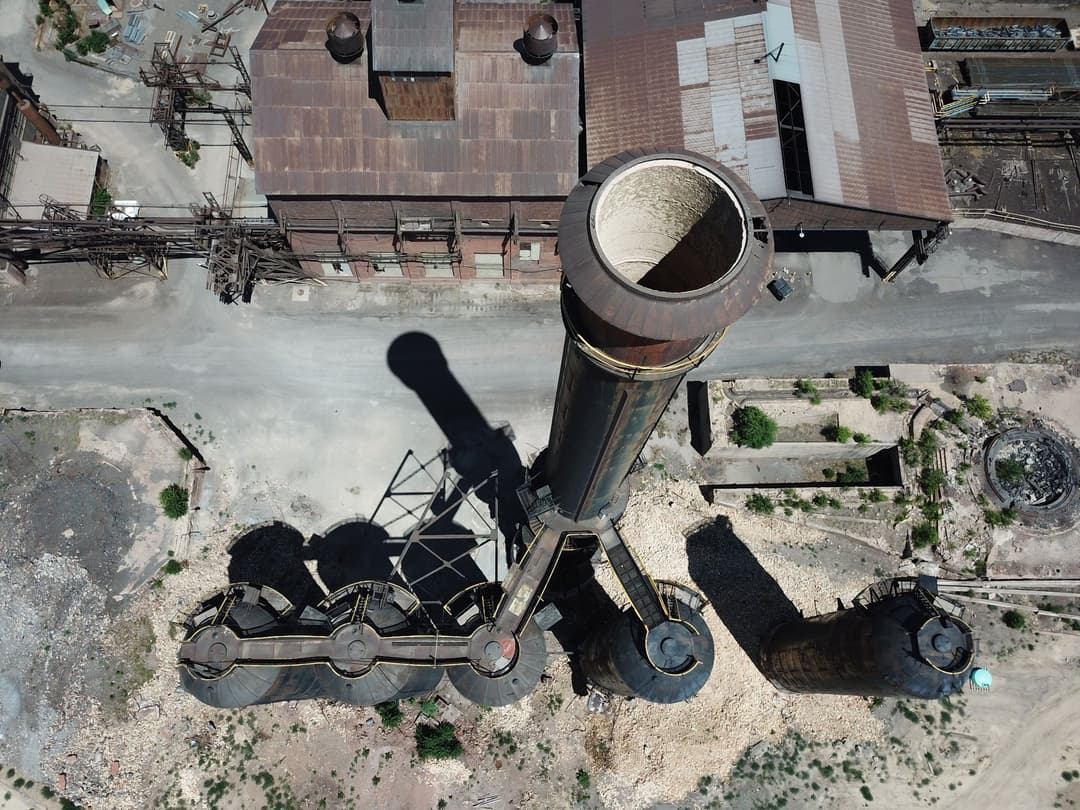

Stack Emission Testing
Stack Emission Testing and Monitoring
Measure emissions. Evaluate control performance. Support NCEC and Royal Commission compliance.
Environmental Testing and Laboratories Company (ETLCO) provides source stack emission testing to help industrial facilities measure air pollutants, assess emission control systems, and support environmental reporting.
Since 2009, ETLCO has supported emission monitoring programmes using advanced Continuous Emission Monitoring (CEM) analyzers integrated into fully equipped mobile laboratory stations.
Our testing programmes use applicable United States Environmental Protection Agency (US EPA) methods and are tailored to the emission source, operating conditions, target pollutants, and project requirements.
Supporting NCEC and Royal Commission Compliance
ETLCO’s stack emission testing services help industrial facilities assess compliance with the requirements of the National Center for Environmental Compliance (NCEC) and the Royal Commission for Jubail and Yanbu (RC), including applicable Royal Commission Environmental Regulations (RCER) and facility-specific environmental permit conditions.
Our services support:
-
Emission limit assessment: Compare measured emissions with applicable NCEC or Royal Commission limits.
-
Permit monitoring requirements: Plan testing parameters, methods, and schedules around the facility’s monitoring obligations.
-
Recognised testing methods: Apply relevant US EPA reference methods and methods specified by the responsible authority.
-
Regulatory reporting: Prepare technical reports documenting testing methods, operating conditions, results, and relevant quality assurance information.
-
Corrective action verification: Conduct follow-up testing after operational changes or improvements to pollution control systems.
Applicable requirements are reviewed during scope development, considering the facility’s location, industrial activity, emission sources, and governing authority. Project-specific contractual obligations, including WECA requirements where applicable, can also be incorporated into the agreed testing programme.
Source Stack Emission Testing
Understanding what your facility emits is essential for managing environmental performance. ETLCO provides measurements that help operators characterise emissions under defined operating conditions and evaluate the effectiveness of emission control measures.
Our stack testing services support:
-
Routine environmental monitoring and compliance assessment.
-
Evaluation of pollution control equipment.
-
Investigations into changes associated with fuels, feedstocks, or process conditions.
-
Performance testing during commissioning and following operational modifications.
-
Technical reviews and environmental reporting.
Each programme is developed around the required test methods, site conditions, and operational objectives.
Our Stack Emission Testing Capabilities
ETLCO’s capabilities cover a broad range of particulate, gaseous, metallic, and organic emission parameters. The final scope and sampling arrangements are confirmed for each project.
Particulate Emissions
-
Fine Particulate Matter (PM2.5).
-
Particulate Matter (PM10).
-
Total Particulate Matter (TPM).
Gaseous Pollutants and Organic Carbon
-
Sulfur Dioxide (SO₂).
-
Nitrogen Oxides (NOₓ).
-
Carbon Monoxide (CO).
-
Total Organic Carbon (TOC).
-
Hydrogen Sulfide (H₂S).
Acid Gases, Acid Mist, and Halogens
-
Sulfuric Acid Mist (H₂SO₄) and Sulfur Trioxide (SO₃).
-
Hydrogen Chloride (HCl).
-
Hydrogen Bromide (HBr).
-
Hydrogen Fluoride (HF).
-
Halogens, with target species and suitable methods confirmed during scope review.
Metals and Organic Pollutants
-
Heavy Metals and Toxic Metals.
-
Dioxins and Furans.
-
Polychlorinated Biphenyls (PCBs).
-
Polycyclic Aromatic Hydrocarbons (PAHs).
-
Per- and Polyfluoroalkyl Substances (PFAS).
-
Chlorinated Organic Compounds.
-
Volatile Organic Compounds (VOCs), including speciated VOCs.
-
Formaldehyde and Methanol.
Performance and Visible Emission Assessments
-
Destruction and Removal Efficiency (DRE).
-
Visible Emissions and Opacity.
Specialist parameters require project-specific confirmation of the sampling method, analytical scope, reporting limits, and site conditions.
RATA — Relative Accuracy Test Audit
Reliable Continuous Emission Monitoring Systems (CEMS) support ongoing emission measurement and reporting. ETLCO provides Relative Accuracy Test Audits (RATA) to compare CEMS measurements with reference-method results under the applicable testing requirements.
Our CEMS evaluation and associated quality assurance services include:
-
Relative accuracy testing: Compare CEMS data with concurrent reference-method measurements.
-
Seven-day calibration drift testing: Assess changes in instrument response over the specified test period.
-
Interference checks: Evaluate the effects of interfering components on measurement response.
-
Response time testing: Assess how quickly the monitoring system responds to changes in gas concentration.
-
Pre-audit CEMS inspection: Review system readiness and identify issues requiring attention before testing.
The required checks, test sequence, and acceptance criteria are established according to the monitoring system and applicable programme requirements.
PEMS — Predictive Emissions Monitoring Systems
Predictive Emissions Monitoring Systems (PEMS) estimate emissions using process data and mathematical models. Their suitability depends on the emission source, available operational data, and applicable regulatory or contractual requirements.
ETLCO can discuss PEMS-related monitoring requirements and define an appropriate scope of support, including the stack testing and reference measurements needed for model assessment or validation.
Coordinated Testing from Planning to Reporting
ETLCO works with facility teams to coordinate site access, operating conditions, and testing schedules.
Our approach includes:
-
Technical scope review: Confirm emission sources, target pollutants, test methods, and assessment criteria.
-
Site readiness assessment: Review sampling ports, platform access, utilities, and safety arrangements.
-
Field testing: Conduct the agreed measurements while documenting relevant operating conditions.
-
Data review and reporting: Present results, test conditions, and relevant observations, with comparison against agreed emission limits where included in the scope.
This coordinated approach helps clients prepare for testing and obtain results relevant to their operational and environmental objectives.
Discuss Your Stack Testing Requirements
Send ETLCO your facility location, number of stacks, process and fuel details, required pollutants, and applicable permit or project requirements. Include available information about stack dimensions, sampling ports, access platforms, and your preferred testing schedule.
Our team will review your requirements and prepare a tailored technical and commercial proposal.
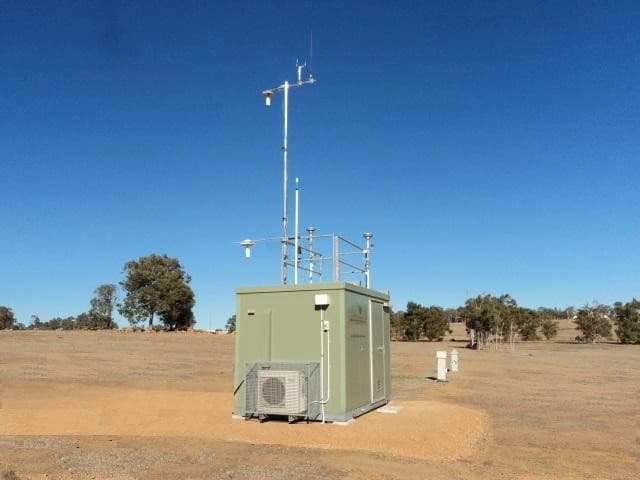
Ambient Air Quality Monitoring Services
Ambient Air Quality Monitoring Services
Understand outdoor air quality, track pollutant trends, and support your environmental compliance objectives.
ETLCO provides ambient air quality monitoring services to help industrial facilities, developers, consultants, and project owners assess outdoor air conditions and evaluate changes over time.
Our monitoring programs support environmental baseline studies, routine surveillance, and assessments against applicable requirements of the National Center for Environmental Compliance (NCEC) and Royal Commission Environmental Regulations (RCER).
We select monitoring methods appropriate to the target pollutants and project requirements, including US EPA reference or equivalent methods where applicable. From defining the monitoring scope to reviewing results, ETLCO delivers data that supports informed environmental decisions.
Monitoring Designed Around Your Project
Outdoor air quality can be influenced by industrial operations, traffic, construction activities, windblown dust, and other nearby sources. A well-planned monitoring program helps establish existing conditions and identify patterns that require further investigation.
ETLCO’s services support:
Baseline air quality assessments before construction or operational changes.
Routine monitoring around industrial facilities and project sites.
Monitoring at site boundaries and selected nearby receptor locations.
Environmental impact assessments and management programs.
Investigation of changes in pollutant concentrations.
Evaluation of air quality trends following control measures.
Environmental reporting and compliance reviews.
Ambient Air Quality Parameters
ETLCO offers monitoring for a broad range of gaseous pollutants, hydrocarbons, and airborne particulate matter. Parameters are selected according to the site’s activities, potential emission sources, and assessment objectives.
Nitrogen Dioxide — NO₂
Monitoring to assess ambient nitrogen dioxide concentrations where combustion sources, industrial operations, or traffic may influence outdoor air quality.
Sulfur Dioxide — SO₂
Measurement of ambient sulfur dioxide to support assessments near relevant industrial processes and fuel combustion sources.
Ozone — O₃
Monitoring of ground-level ozone to evaluate ambient concentrations and changes during the assessment period.
Carbon Monoxide — CO
Measurement of ambient carbon monoxide where vehicle movements, combustion equipment, or other relevant sources may affect air quality.
Volatile Organic Compounds — VOCs
Monitoring of VOC indicators selected to suit the project and expected emission sources, supporting investigations around industrial operations and facilities handling volatile materials.
Speciated VOCs
Targeted sampling and analysis to identify and quantify individual volatile organic compounds. This provides more detailed information than an overall VOC screening result.
Methane, Non-Methane, and Total Hydrocarbons
Measurement of methane, non-methane hydrocarbons, and total hydrocarbons, according to the selected method and monitoring configuration.
BTEX
Targeted analysis of benzene, toluene, ethylbenzene, and xylenes to support assessments involving fuel handling, petroleum storage, petrochemical activities, and other relevant sources.
Particulate Matter — PM2.5 and PM10
Monitoring of airborne particulate matter to assess conditions influenced by construction, material handling, traffic, industrial activities, and regional dust.
Hydrogen Sulfide — H₂S
Monitoring where wastewater treatment, waste management, petroleum operations, or other potential sources warrant assessment.
A Structured Approach to Air Quality Monitoring
ETLCO coordinates each program with the client to establish representative monitoring locations, suitable measurement periods, and clear reporting objectives.
Depending on the agreed scope, our approach includes:
Reviewing site activities and potential pollution sources.
Selecting pollutants and appropriate monitoring methods.
Identifying monitoring locations and assessment durations.
Considering nearby sensitive locations and relevant site constraints.
Recording available meteorological and operating information.
Reviewing data quality and documenting monitoring interruptions.
Presenting results against the agreed assessment criteria.
Monitoring duration and frequency are defined to match the study objectives and applicable averaging periods.
Interpreting Results in Context
A pollutant reading becomes more useful when considered alongside the conditions under which it was recorded.
ETLCO reviews results with relevant information such as nearby activities, operating schedules, and available wind data. This helps clients understand changes over time and identify periods that may warrant further investigation.
Where source attribution is required, additional monitoring or a separate assessment may be needed to distinguish contributions from different sources.
Supporting NCEC and Royal Commission Requirements
ETLCO develops monitoring scopes that support assessment against applicable NCEC requirements, RCER provisions, environmental permit conditions, and client specifications.
The selected pollutants, methods, monitoring periods, and reporting criteria are agreed before fieldwork. Results are compared with relevant limits using the appropriate units and averaging periods, where the monitoring coverage supports that comparison.
Our reports provide documented evidence to assist clients with environmental reviews and regulatory submissions.
Services for Industrial and Development Projects
ETLCO supports ambient air quality monitoring for:
Oil and gas facilities and refineries.
Petrochemical and manufacturing plants.
Power generation and utility facilities.
Construction and infrastructure projects.
Waste management and wastewater treatment facilities.
Ports, logistics areas, and transport-related developments.
Residential and commercial developments requiring baseline assessments.
Clear Reporting for Environmental Decisions
Depending on the agreed scope, deliverables may include:
Monitoring locations and site descriptions.
Sampling dates, durations, and measurement methods.
Pollutant concentrations and units.
Time-based trends and summary statistics.
Relevant meteorological and operational observations.
Data quality notes, coverage, and identified limitations.
Comparisons with applicable assessment criteria.
Findings and recommendations for follow-up monitoring.
These reports help environmental teams review performance, prioritize investigations, and maintain consistent monitoring records.
Plan Your Ambient Air Quality Monitoring with ETLCO
Share your project location, site activities, required pollutants, monitoring duration, and any permit conditions or authority requirements. Include a site layout and previous monitoring reports where available.
ETLCO will help define an appropriate monitoring program and prepare a technical and commercial proposal tailored to your project.

Indoor Air Quality Monitoring Services
Indoor Air Quality Monitoring Services in Saudi Arabia
Understand the air inside your building and make informed decisions for healthier, more comfortable spaces.
ETLCO provides Indoor Air Quality (IAQ) monitoring services to help building owners, facility managers, and businesses assess indoor environmental conditions, investigate air quality concerns, and evaluate corrective measures.
Using GrayWolf handheld instruments with suitable sensors and configurations, we measure selected air quality parameters and collect data to support practical improvements in ventilation, pollutant control, and occupant comfort.
Our monitoring programs are tailored to the building’s use, occupancy, operating conditions, and assessment objectives.
Why Monitor Indoor Air Quality?
Indoor air quality can be influenced by ventilation, outdoor air entering the building, cleaning products, furnishings, maintenance activities, and indoor emission sources.
Monitoring helps clients understand these conditions and identify areas that require further investigation or improvement.
ETLCO’s services support:
Investigation of indoor air quality and odor complaints.
Assessment of pollutant concentrations in occupied spaces.
Evaluation of ventilation-related indicators.
Review of temperature and humidity conditions.
Comparison of conditions across rooms, floors, or operating periods.
Verification of changes following corrective actions.
Indoor Air Quality Parameters
The monitoring scope is selected according to the building, suspected sources, and available instrument configuration.
Gaseous Pollutants and Ventilation Indicators
Carbon monoxide (CO): Assessment of potential combustion-related contamination.
Carbon dioxide (CO₂): Monitoring to help evaluate ventilation conditions in relation to occupancy.
Sulfur dioxide (SO₂): Measurement where combustion sources or outdoor pollutant infiltration are relevant.
Nitrogen dioxide (NO₂): Assessment where traffic, fuel-burning equipment, or other combustion sources may affect indoor air.
Ozone (O₃): Monitoring where outdoor air or ozone-generating equipment may contribute to indoor concentrations.
Hydrogen sulfide (H₂S): Targeted investigation where drainage systems, wastewater, or other suspected sources warrant assessment.
Volatile Organic Compounds
Total volatile organic compounds (TVOCs): Screening to identify changes in overall VOC response and support investigations involving cleaning products, coatings, furnishings, or process-related sources.
TVOC screening does not identify individual compounds. Where a specific chemical is suspected, targeted sampling and analysis can be defined separately.
Airborne Particulate Matter
PM2.5: Monitoring of fine airborne particles.
PM10: Monitoring of airborne particles within the PM10 size fraction.
These measurements help assess particulate conditions associated with outdoor infiltration, dust-generating activities, and indoor sources.
Indoor Environmental Conditions
Temperature: Measurement to support assessment of occupant comfort and building operating conditions.
Relative humidity: Monitoring to identify moisture-related conditions that may require further investigation.
Real-Time Monitoring and Data Analysis
ETLCO collects real-time measurements to examine how selected parameters change during the assessment period.
Depending on the agreed scope, monitoring may include measurements at selected locations or data logging over defined periods. Results can be reviewed alongside occupancy, ventilation operation, cleaning schedules, and other relevant activities.
This approach helps identify patterns, investigate possible sources, and determine where additional assessment may be useful.
A Monitoring Program Designed for Your Building
ETLCO coordinates the assessment with the client to select representative locations and monitoring periods.
Our approach can include:
Reviewing the building’s use and reported concerns.
Selecting parameters relevant to the suspected sources.
Identifying monitoring locations and assessment durations.
Recording occupancy and operating conditions.
Reviewing results against agreed assessment criteria.
Conducting follow-up measurements after corrective actions.
CO₂ measurements are interpreted alongside occupancy and ventilation information; they do not provide a complete assessment of indoor air quality on their own.
Supporting Applicable Requirements and Project Criteria
ETLCO helps clients assess results against criteria appropriate to the building, its occupants, and the purpose of the study.
Applicable local requirements, client specifications, and recognized guidance are identified when defining the scope. Occupational exposure criteria are considered where relevant to workplace assessments, while general indoor environmental evaluations use criteria suited to the setting.
The report identifies the assessment basis so that findings can be understood and used appropriately.
Services for a Range of Indoor Environments
Our IAQ monitoring services support:
Offices and corporate buildings.
Commercial premises and retail spaces.
Schools and educational facilities.
Hotels and hospitality facilities.
Residential buildings and shared indoor areas.
Industrial offices and enclosed workspaces.
Buildings undergoing renovation or investigating occupant complaints.
Evaluate the Effectiveness of Corrective Measures
After ventilation adjustments, source removal, cleaning, or other agreed interventions, repeat monitoring can help assess changes in indoor conditions.
Where practical, follow-up assessments use comparable locations and operating conditions to provide a meaningful basis for reviewing improvement.
Clear Reports for Facility Management
Depending on the agreed scope, ETLCO’s reports may include:
Monitoring locations, dates, and durations.
Measured parameters and instrument details.
Results, units, and recorded trends.
Relevant occupancy and operating observations.
Comparison with agreed assessment criteria.
Findings requiring further investigation.
Recommendations for follow-up monitoring or targeted testing.
Our reporting helps facility teams prioritize actions and maintain documented evidence of their indoor air quality assessments.
Discuss Your Indoor Air Quality Requirements
Share your building location, type of occupancy, areas of concern, and any reported odors or air quality complaints. Include the required parameters, assessment duration, and relevant project specifications where available.
ETLCO will help define a suitable monitoring program and prepare a technical and commercial proposal for your facility.
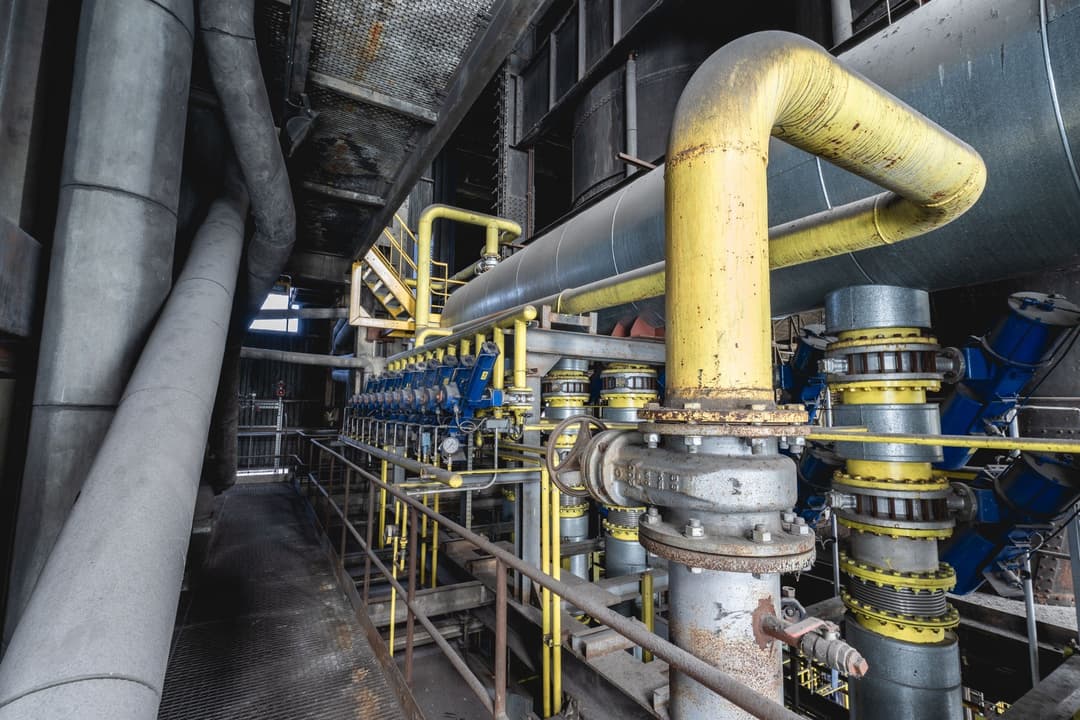
Fugitive Emission Monitoring
Fugitive Emission Monitoring and LDAR Services in Saudi Arabia
Detect leaks, reduce product losses, and strengthen your facility’s environmental performance.
ETLCO provides Fugitive Emission Monitoring (FEMS) services to help industrial facilities identify leaking components and support compliance with applicable National Center for Environmental Compliance (NCEC) requirements and Royal Commission Environmental Regulations (RCER).
Using equipment including TVA 1000, TVA 2020, and Optical Gas Imaging (OGI) cameras, our engineers and supervisors conduct surveys tailored to the facility’s processes, target compounds, and monitoring requirements.
From component identification and tagging to monitoring and reporting, ETLCO provides the information clients need to support effective Leak Detection and Repair (LDAR) programs.
Identify Emissions That Can Go Unnoticed
Fugitive emissions can escape from valves, pumps, connections, seals, and other process components. Detecting these leaks helps operators identify maintenance needs, limit avoidable product losses, and manage environmental impacts.
ETLCO’s monitoring services support:
Detection and documentation of leaking components.
Monitoring of volatile organic compounds (VOCs) and relevant hazardous air pollutants (HAPs), subject to instrument suitability.
Development of traceable component inventories.
Prioritization of maintenance and repair activities.
Follow-up monitoring to evaluate repair effectiveness.
Preparation of records for environmental reviews and reporting.
Component Identification and Tagging
An effective monitoring program starts with a clear understanding of the equipment within scope. ETLCO identifies relevant components and assigns unique identification tags to connect field observations with monitoring records.
Depending on the facility and agreed scope, surveys may cover:
Valves and associated seals.
Pumps and compressors.
Flanges and connectors.
Pressure relief devices.
Open-ended lines.
Sampling connections and other applicable process components.
Component selection reflects the process service, accessibility, and requirements of the monitoring program.
Master Component List Development
ETLCO develops a master component list to organize the monitoring inventory and support consistent follow-up.
The register can include component identification numbers, equipment types, process areas, service descriptions, monitoring status, and relevant field observations.
A structured inventory helps clients plan surveys, track individual components, and maintain continuity between monitoring campaigns.
US EPA Method 21 Monitoring
ETLCO conducts instrument-based component screening using US EPA Method 21, where applicable to the agreed monitoring scope.
Monitoring with suitable TVA instruments supports the detection of VOC leaks at individual components. Results are recorded against component identifiers and evaluated using the leak criteria applicable to the project.
Method 21 screening readings support leak identification; they do not directly represent an emission mass flow rate.
Optical Gas Imaging Surveys
ETLCO uses OGI cameras to help locate gas leaks from equipment and process systems where the target gases are detectable by the selected camera.
OGI provides visual evidence that can help field teams identify leak locations and support maintenance planning. Survey suitability depends on the gas, equipment, and site conditions.
OGI surveys follow the applicable project protocol and are distinguished from Method 21 instrument screening. The monitoring approach is selected according to the facility’s requirements and the purpose of the assessment.
Supporting Leak Detection and Repair Programs
ETLCO’s monitoring results help maintenance teams identify components requiring attention and organize follow-up activities.
Within the agreed scope, our support can include:
Recording and identifying detected leaks.
Preparing component-specific findings for maintenance teams.
Tracking monitoring and repair status using client-provided repair records.
Rechecking components after repairs.
Comparing findings across successive monitoring campaigns.
This coordinated approach helps clients assess whether corrective actions have addressed the detected leaks.
NCEC and Royal Commission Compliance Support
ETLCO structures monitoring programs around applicable NCEC requirements, RCER provisions, facility permit conditions, and client specifications.
Before fieldwork, the monitoring scope establishes the components to be surveyed, methods, leak criteria, reporting requirements, and any follow-up arrangements. Our records support the client’s compliance assessment and provide traceability for environmental reviews.
Clear Reports for Maintenance and Environmental Teams
Reports are prepared to make findings easy to review and act upon. Depending on the agreed scope, deliverables may include:
Master component inventory and tagging records.
Survey dates, locations, and monitoring methods.
Component screening results and identified leaks.
Relevant photographs or OGI records.
Inaccessible or unmonitored components and associated observations.
Follow-up monitoring results.
A summary of findings to support maintenance planning.
Plan Your Fugitive Emission Survey with ETLCO
Share your facility location, process description, estimated component count, target compounds, and applicable monitoring requirements. If available, include your existing component inventory and previous survey reports.
ETLCO will help define the survey scope and prepare a technical and commercial proposal suited to your facility.
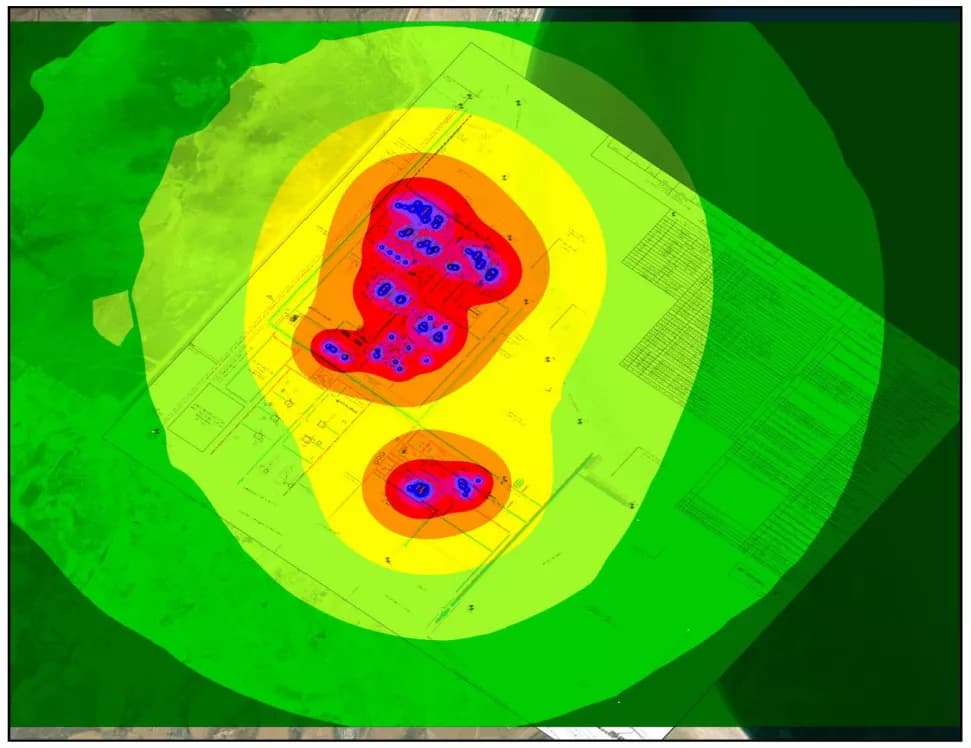
Noise Monitoring
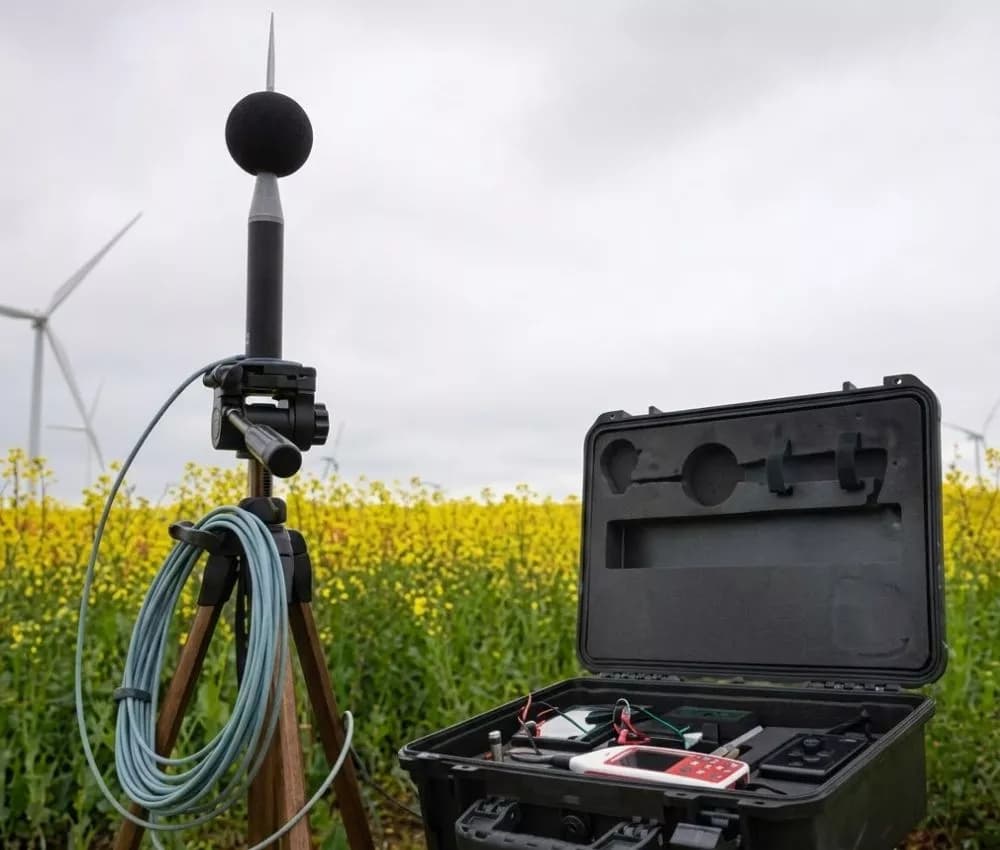
ETLCO offers advanced noise monitoring solutions, utilizing state-of-the-art equipment approved by national and international standards. Since 2009, we have been a leader in noise monitoring, providing precise and reliable measurements for environmental noise assessments. Our solutions comply with industry standards and regulatory requirements such as US EPA, OSHA, ensuring accurate data collection and reporting. ETLCO is committed to adhering to local and international noise regulations, including NCEC, RC, US EPA, and OSHA, delivering high-quality services that support environmental protection and help clients meet noise control standards.
ETLCO’s expertise encompasses all types of noise monitoring, including ambient/outdoor, indoor, and fence-line noise assessments. We utilize a wide range of measurement units, such as LAeq, L10, L50, L90, L95, LMIN, and LMAX, to ensure comprehensive and accurate data collection. Our advanced solutions provide detailed insights into noise levels, enabling effective environmental noise management and compliance with regulatory standards.
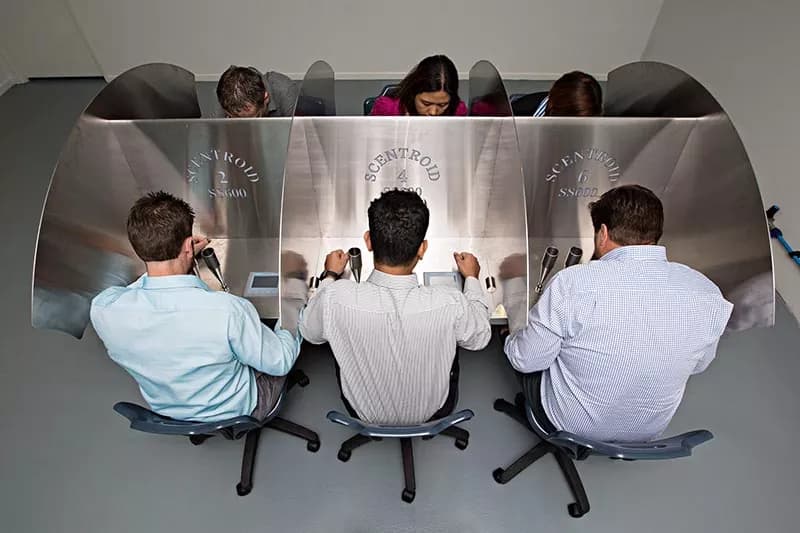
Odor Monitoring and Analysis
Odor Monitoring and Analysis Services
Identify odor sources, understand their impact, and make informed decisions to improve environmental performance.
ETLCO provides odor monitoring and analysis services for industrial facilities, landfills, wastewater treatment plants, agricultural operations, and other facilities where odorous emissions require assessment.
Serving environmental and industrial clients since 2009, ETLCO helps operators investigate odor concerns, measure selected odor indicators, and evaluate the effectiveness of odor control measures. Our team tailors each monitoring program to the facility’s processes, surrounding environment, and project requirements.
Understand the Sources and Impact of Odor
Odor can affect surrounding communities, generate complaints, and indicate changes in operating conditions. A structured monitoring program helps establish where odors originate, when they occur, and which activities may contribute to them.
ETLCO’s services support:
Identification and investigation of potential odor sources.
Baseline assessments before operational changes or facility expansion.
Monitoring at emission sources, site boundaries, and selected surrounding locations.
Investigation of recurring odor complaints.
Evaluation of odor control systems through comparative monitoring.
Environmental reporting and follow-up assessments.
Odor Parameters and Monitoring Scope
We select monitoring parameters and assessment methods according to the source, expected compounds, and objectives of the study.
Odor concentration: Assessment of odor concentration, expressed in odor units per cubic meter where applicable to the selected method.
Hydrogen sulfide (H₂S): Measurement of a key odor indicator associated with wastewater, waste handling, and certain industrial processes.
Ammonia (NH₃): Monitoring of emissions associated with agricultural activities, organic waste, and relevant industrial operations.
Volatile organic compounds (VOCs): Assessment of selected compounds or screening indicators relevant to the suspected odor source.
Odor intensity: Evaluation of perceived odor strength using the agreed assessment procedure.
Chemical concentrations, odor concentration, and perceived intensity provide different information. ETLCO defines these measurements separately so that results are appropriate for the intended assessment.
Monitoring Designed Around Your Facility
Effective odor investigations depend on where and when measurements are taken. ETLCO coordinates the monitoring scope with the client to reflect operating schedules, suspected emission points, and periods when odor concerns are most likely to occur.
Depending on the project, the program may include:
Review of site activities and potential emission sources.
Selection of monitoring locations and sampling periods.
Field measurements and sample collection for agreed analyses.
Recording of relevant operating conditions and weather observations.
Comparison of findings across locations or monitoring periods.
Repeat monitoring following corrective actions or process changes.
Supporting Environmental Compliance
ETLCO develops monitoring programs to support assessments against applicable environmental requirements, including relevant requirements of the National Center for Environmental Compliance (NCEC) and the Royal Commission (RC).
The scope, methods, and reporting criteria are agreed according to the facility’s permit conditions and project objectives. Where occupational exposure is also a concern, workplace air monitoring should be defined as a separate assessment with appropriate exposure criteria.
Our results provide evidence to support compliance reviews, environmental investigations, and odor management decisions.
Services for a Wide Range of Sectors
ETLCO supports odor monitoring needs across:
Industrial and petrochemical facilities.
Wastewater treatment plants and pumping stations.
Landfills and waste management facilities.
Sludge handling and treatment operations.
Agricultural and livestock operations.
Other facilities with odor-generating processes.
Clear Reporting for Practical Action
ETLCO provides reports that bring together monitoring results, site observations, and relevant sampling conditions. Depending on the agreed scope, reports may include measurement locations, selected parameters, methods, units, operating observations, and comparisons with applicable assessment criteria.
These findings help clients prioritize investigations, evaluate control measures, and plan further monitoring where needed.
Discuss Your Odor Monitoring Requirements
Share your facility location, operating activities, suspected odor sources, and any complaint history or permit requirements. ETLCO will help define an appropriate monitoring scope and prepare a technical and commercial proposal tailored to your project.

Vehicle Exhaust & Heavy Equipment Emission Testing Services
Vehicle Exhaust and Heavy Equipment Emission Testing
Measure exhaust emissions. Identify performance concerns. Support cleaner fleet and equipment operations.
Environmental Testing and Laboratories Company (ETLCO) provides exhaust emission testing for vehicles, forklifts, and heavy equipment to help organisations assess emission levels, investigate operational concerns, and support environmental management.
Since 2009, ETLCO has supported industrial testing and monitoring programmes with measurement approaches tailored to the emission source, operating conditions, and project requirements.
Our services provide data to evaluate exhaust emissions, compare results with applicable assessment criteria, and guide maintenance or further investigation.
Emission Testing for Your Fleet and Equipment
Exhaust emissions can vary with fuel type, engine condition, operating load, and the performance of emission control systems. Testing under documented conditions helps clients understand these variations and establish a basis for comparison.
ETLCO develops testing programmes for sources such as:
Vehicles and commercial fleets: Assess selected exhaust pollutants and investigate changes in emission performance.
Fuel-powered forklifts: Evaluate exhaust emissions from equipment operating in warehouses, loading areas, and industrial facilities.
Heavy construction equipment: Assess emissions from excavators, loaders, cranes, and other engine-powered machinery.
Industrial mobile equipment: Support monitoring programmes for equipment used in manufacturing, logistics, and site operations.
Other engine-driven sources: Confirm testing arrangements according to the equipment configuration and required methods.
The scope is agreed after reviewing the equipment inventory, fuel types, operating arrangements, and purpose of the assessment.
Key Exhaust Emission Parameters
ETLCO’s testing scope can include the following parameters, subject to confirmation of the appropriate method, equipment, and reporting requirements.
Carbon Dioxide — CO₂
CO₂ measurements help characterise combustion exhaust. Where total emissions or a carbon footprint are required, concentration data must be considered alongside suitable fuel consumption, exhaust flow, operating time, or other relevant activity data.
Sulfur Dioxide — SO₂
SO₂ testing supports the assessment of sulfur-related exhaust emissions where relevant to the fuel and emission source.
Nitrogen Oxides — NOₓ
NOₓ measurements support the evaluation of combustion-related emissions and comparisons between defined operating conditions.
Volatile Organic Compounds — VOCs
Testing can assess selected organic compounds or a method-defined aggregate measurement. The target compounds and reporting basis are specified according to the assessment objective.
Particulate Matter — PM
Particulate testing supports the assessment of particles in engine exhaust using an appropriate sampling and measurement method.
Where smoke or opacity measurements are required, these are defined separately. Opacity results are not treated as a direct substitute for particulate mass measurements.
Practical Applications of Exhaust Testing
ETLCO’s services help fleet managers, contractors, equipment operators, and environmental teams obtain data that supports:
Baseline assessments: Establish emission measurements for selected equipment under documented conditions.
Maintenance investigations: Identify unusual results that may warrant mechanical inspection or further testing.
Before-and-after comparisons: Assess emission performance following servicing, repairs, or changes to emission control systems.
Fleet monitoring programmes: Review results across equipment groups using consistent testing conditions.
Environmental assessments: Provide source emission data for wider environmental studies.
Client and project requirements: Document testing undertaken against agreed specifications and acceptance criteria.
Testing results support maintenance decisions but do not replace a mechanical diagnosis of engine or equipment faults.
Forklift Exhaust and Workplace Air Quality
Exhaust from fuel-powered equipment can affect air quality in enclosed or partially enclosed workplaces.
ETLCO can coordinate exhaust testing with a separately defined workplace air monitoring programme to help clients assess both the emission source and conditions in occupied areas.
This approach can support investigations involving:
Warehouses and distribution centres.
Loading bays and covered work areas.
Workshops and maintenance facilities.
Industrial buildings using fuel-powered mobile equipment.
Tailpipe measurements characterise exhaust at the source. Personal or area air sampling is required when the objective is to assess worker exposure or workplace concentrations.
Ventilation and AC Exhaust Assessment
Air-conditioning and ventilation discharge assessments require a different approach from engine exhaust testing.
Where a project includes AC or ventilation exhaust systems, ETLCO can review the discharge source, potential contaminants, and monitoring objectives to define a suitable air sampling scope. This work is addressed separately from vehicle and heavy equipment combustion emissions.
Supporting Applicable Requirements and Testing Methods
ETLCO develops each testing programme around the requirements relevant to the equipment, site, and intended use of the results.
The scope may consider applicable National Center for Environmental Compliance (NCEC) requirements, facility permit conditions, client specifications, and project-specific environmental criteria.
Relevant US EPA methods may be used where suitable for the source and assessment. OSHA methods or occupational exposure criteria may inform a separately defined workplace exposure assessment where applicable or agreed.
The test method, operating conditions, measurement units, and comparison criteria are established before testing. Environmental emission limits and occupational exposure limits are assessed on their respective bases.
From Equipment Review to Technical Reporting
ETLCO coordinates testing with site teams to support safe access and representative operating conditions.
Review the equipment inventory: Confirm equipment types, engine details, fuel, exhaust configuration, and testing objectives.
Define the testing plan: Select parameters, methods, operating conditions, and assessment criteria.
Conduct field measurements: Test the agreed sources and document relevant engine and site conditions.
Review the data: Check measurement quality and assess the results within the agreed scope.
Prepare the report: Present findings, comparisons, limitations, and recommended follow-up actions.
Clear Reports for Operational Decisions
Depending on the project, reports may include:
Equipment identification and source descriptions.
Fuel type and operating conditions.
Test methods and measurement equipment.
Parameters measured, results, and units.
Relevant quality control information.
Comparison with agreed limits or benchmarks.
Observations and recommendations for further investigation or repeat testing.
Results represent the equipment and operating conditions assessed. Any requirement for statutory vehicle inspection, type approval, or formal certification must be identified separately during scope review.
Discuss Your Vehicle and Equipment Testing Requirements
Send ETLCO your site location, equipment list, fuel types, required pollutants, and preferred testing schedule. Include available engine specifications, expected operating loads, exhaust access details, and any applicable project requirements.
Our team will review your needs and prepare a technical and commercial proposal tailored to your fleet and equipment.
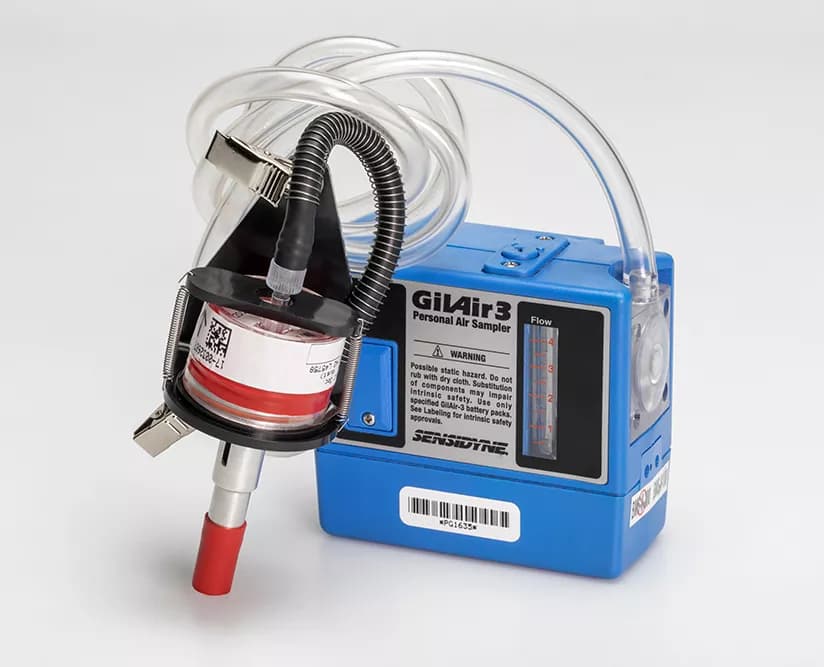
Industrial Hygiene Air Sampling
Industrial Hygiene Air Sampling Services
Understand workplace exposures. Identify airborne hazards. Support a healthier working environment.
Environmental Testing and Laboratories Company (ETLCO) provides industrial hygiene air sampling services to help organisations assess airborne contaminants, evaluate worker exposure, and review the effectiveness of workplace controls.
Since 2009, ETLCO has supported industrial monitoring programmes with sampling approaches tailored to site activities, target contaminants, and assessment objectives.
Our services combine personal and area sampling, suitable measurement equipment, laboratory analysis where required, and clear technical reporting to support occupational health and safety decisions.
Workplace Air Monitoring That Supports Your Operations
Airborne contaminants may arise from production processes, chemical handling, combustion, material transfer, cleaning, and maintenance activities. Exposure can vary between locations, tasks, and operating conditions.
ETLCO helps clients develop monitoring programmes that address these differences and provide data relevant to the work being assessed.
Our services support:
Identification and assessment of airborne workplace contaminants.
Evaluation of employee exposure during selected tasks or shifts.
Comparison with applicable occupational exposure limits.
Assessment of ventilation and other exposure control measures.
Investigation of workplace air quality concerns.
Follow-up monitoring after corrective actions or process changes.
Documentation for internal reviews, audits, and relevant reporting requirements.
Personal Exposure Monitoring
Personal sampling measures airborne contaminants within a worker’s breathing zone during a defined period.
ETLCO coordinates sampling around the selected tasks, work patterns, and target substances to help assess exposure under representative working conditions.
Monitoring programmes may include:
Shift-based sampling to assess time-weighted average exposure.
Short-duration sampling for comparison with short-term limits, where applicable.
Task-specific monitoring during activities with potential exposure.
Assessment of groups of workers performing similar activities.
Repeat sampling to investigate variability or evaluate improvements.
The sampling duration and method are selected to match the assessment objective and the exposure limit being considered.
Area and Task-Based Air Sampling
Area sampling measures contaminants at selected fixed locations within a workplace. It helps identify patterns, investigate potential sources, and assess conditions around specific operations.
Potential monitoring locations include:
Production and processing areas.
Chemical handling and storage areas.
Workshops and maintenance facilities.
Material transfer and loading points.
Locations near potential emission sources.
Occupied areas where air quality concerns have been reported.
Area results complement personal monitoring but do not automatically represent an individual worker’s exposure.
Airborne Contaminants We Assess
ETLCO develops the analytical scope according to the activities, materials, and potential hazards present at the site.
Gases and Vapours
Carbon Dioxide (CO₂).
Nitrogen Oxides (NOₓ), with individual target gases specified as required.
Sulfur Dioxide (SO₂).
Volatile Organic Compounds (VOCs).
Other process-related gases and vapours, subject to method and scope confirmation.
Where individual substances have specific exposure limits, the monitoring programme identifies the compounds requiring measurement rather than relying solely on a general screening result.
Dust and Particulate Matter
Particulate monitoring supports the assessment of airborne dust generated by industrial activities.
The programme defines the relevant particle fraction, such as inhalable or respirable dust, and any substance-specific analysis required. Sampling equipment and media are selected accordingly.
Microbiological Air Sampling
ETLCO offers sampling for airborne bacteria and fungi to support investigations into biological contamination in industrial and occupied environments.
The scope considers the sampling location, site activities, environmental conditions, and laboratory method. Results are interpreted in the context of the investigation and do not, by themselves, establish a health diagnosis or confirm that an environment is free of biological hazards.
Active Air Sampling
Active sampling uses a pump to draw a controlled volume of air through suitable collection media over a defined period.
Depending on the target contaminant, the collection system may use filters, sorbent tubes, or other method-specific media.
Active sampling supports:
Personal breathing-zone monitoring.
Area and task-specific assessments.
Collection of airborne particles or selected gases and vapours.
Laboratory analysis of specific contaminants.
Defined sampling periods aligned with exposure assessment objectives.
Sampling flow, duration, media, and sample handling requirements are established according to the selected method.
Passive Air Sampling
Passive sampling collects suitable gases or vapours by diffusion onto a sampling medium without using a pump.
It can provide a practical option for personal or area monitoring where a validated sampler is available for the target substance and sampling conditions.
Suitability is assessed according to:
The target chemical.
Expected concentration range.
Required sampling duration.
Environmental conditions.
Sampler performance and analytical method.
Required reporting limits.
Passive sampling is selected where it meets the technical objectives of the assessment.
Supporting Applicable Requirements and Recognised Methods
ETLCO develops monitoring programmes around the requirements relevant to the facility and the purpose of the study.
This may include applicable National Center for Environmental Compliance (NCEC) requirements, Royal Commission (RC) requirements, client specifications, and occupational exposure criteria relevant to the workplace.
NIOSH and OSHA sampling and analytical methods may be used where appropriate to the target contaminant and agreed scope. Where OSHA exposure limits or other international criteria are used for comparison, the report identifies their role as applicable requirements or agreed assessment benchmarks.
Occupational exposure criteria and ambient environmental air quality limits are reviewed separately to ensure the results are compared on the correct basis.
From Site Review to Technical Reporting
ETLCO coordinates the monitoring programme with the client’s operations and health and safety teams.
Review workplace activities: Identify processes, substances, work patterns, existing controls, and reported concerns.
Develop the sampling plan: Select target contaminants, workers or locations, sampling methods, durations, and assessment criteria.
Conduct field sampling: Collect samples and document relevant activities, operating conditions, and field observations.
Analyse and review results: Complete the agreed analysis and relevant quality checks.
Report findings: Present results, comparison criteria, limitations, and recommended follow-up actions within the agreed scope.
Clear Results for Practical Decisions
Depending on the assignment, reports may include:
Sampling objectives and scope.
Locations, tasks, and sampling periods.
Sampling and analytical methods.
Measured concentrations and reporting limits.
Relevant field and laboratory quality control information.
Comparison with agreed exposure criteria.
Observations about operating conditions and existing controls.
Recommendations for further assessment, control review, or repeat monitoring.
These findings help clients prioritise workplace improvements and evaluate the effectiveness of actions taken.
Discuss Your Industrial Hygiene Sampling Requirements
Share your facility location, process descriptions, chemicals or materials used, relevant safety data sheets, work schedules, and the number of workers or areas to be assessed. Include any previous monitoring results, reported concerns, and required assessment criteria.
ETLCO will help define the sampling scope and prepare a technical and commercial proposal tailored to your workplace.
Greenhouse Gas (GHG) Monitoring Services
Greenhouse Gas (GHG) Study and Monitoring Services in Saudi Arabia
Understand your emissions. Establish a reliable baseline. Plan measurable reductions.
Environmental Testing and Laboratories Company (ETLCO) supports organisations in assessing greenhouse gas emissions and developing monitoring programmes that inform environmental management, sustainability reporting, and operational improvements.
Our GHG study and monitoring services help clients identify emission sources, quantify their carbon footprint, assess data quality, and prioritise opportunities to reduce emissions. Each assignment is tailored to the organisation’s activities, reporting boundaries, available information, and project objectives.
From an initial emissions assessment to an ongoing monitoring programme, ETLCO helps turn operational data into a structured basis for climate-related decisions.
Greenhouse Gas Emissions Inventories
A GHG inventory establishes how much an organisation emits, where those emissions originate, and how they change over time.
ETLCO supports the development of inventories at company, facility, or project level. The study defines the reporting period, organisational boundaries, emission sources, calculation methods, and data requirements before quantification begins.
The assessment can include:
Identification and mapping of emission sources.
Definition of organisational and operational boundaries.
Selection of a baseline year.
Collection and review of activity data.
Selection of appropriate emission factors.
Calculation of emissions in tonnes of carbon dioxide equivalent (tCO₂e).
Documentation of assumptions, exclusions, and data gaps.
Assessment of uncertainty and data quality.
Preparation of an inventory report and supporting calculation records.
The reporting framework and level of detail are agreed at the start of the assignment.
Scope 1 — Direct Emissions
Scope 1 covers direct emissions from sources owned or controlled by the organisation.
ETLCO helps clients identify and quantify relevant sources, including:
Stationary combustion: Boilers, furnaces, heaters, turbines, and generators.
Mobile combustion: Company-controlled vehicles and mobile equipment.
Process emissions: Greenhouse gases released by industrial processes.
Fugitive emissions: Releases from equipment, refrigerant systems, and other applicable sources.
Waste and wastewater treatment: Direct emissions from treatment activities within the defined organisational boundary.
Calculations are based on suitable operational records, fuel consumption, material balances, measurement results, or other agreed data sources.
Scope 2 — Purchased Energy Emissions
Scope 2 addresses indirect emissions associated with the generation of purchased electricity, steam, heat, or cooling consumed by the organisation.
Our assessment includes:
Review of utility bills and energy consumption records.
Identification of purchased energy sources.
Selection of applicable emission factors.
Calculation of emissions by facility, activity, or reporting period.
Evaluation of energy-related emission trends.
Documentation of contractual energy information where relevant to the selected reporting approach.
These findings help organisations understand the contribution of purchased energy to their overall carbon footprint.
Scope 3 — Value Chain Emissions
For many organisations, a significant part of their carbon footprint arises from activities across their value chain.
ETLCO supports screening and assessment of relevant Scope 3 categories, with priorities determined by the organisation’s activities, reporting objectives, and data availability.
Potential areas of assessment include:
Purchased goods and services.
Capital goods.
Fuel- and energy-related activities outside Scope 1 and Scope 2.
Upstream and downstream transportation and distribution.
Waste generated in operations.
Business travel.
Employee commuting.
Leased assets.
Processing, use, and end-of-life treatment of sold products.
Franchises and investments, where relevant.
The study identifies material sources, suitable calculation approaches, and opportunities to improve supplier and value chain data.
GHG Monitoring Plans and Data Management
Consistent monitoring helps organisations maintain an inventory that can be updated, reviewed, and compared over time.
ETLCO supports the preparation of monitoring plans that define:
Emission sources and parameters to be monitored.
Required activity data and supporting evidence.
Data collection frequency.
Responsibilities for collection, review, and approval.
Metering and measurement requirements.
Calculation methods and emission factor sources.
Procedures for missing or incomplete data.
Quality control checks and document retention.
Arrangements for updating the inventory and reviewing the baseline.
Monitoring may combine operational records, metered consumption, engineering calculations, and direct measurements where technically appropriate.
Source Measurement and Methane Assessment
Where direct measurement is relevant, ETLCO can define a project-specific measurement scope to support the wider GHG assessment.
Depending on the source and available methods, this may include:
Measurement of selected GHG concentrations in emission streams.
Measurement or assessment of gas flow to support emission rate calculations.
Review of operating conditions during testing.
Identification of potential methane emission sources.
Evaluation of data requirements for methane quantification.
Follow-up assessment after emission reduction measures.
The target gases, equipment, methods, detection limits, and site access requirements are confirmed before mobilisation. Concentration measurements are assessed alongside flow and operating data where an emission mass rate is required.
Carbon Footprint and Emission Intensity Studies
ETLCO helps clients evaluate emissions in relation to their operations and output.
Studies can assess:
Total emissions by facility, business unit, or activity.
Emissions associated with specific projects or operations.
Emissions per unit of production.
Emissions per unit of energy generated or consumed.
Changes in performance against a defined baseline.
Major contributors to the organisation’s carbon footprint.
Using consistent boundaries and calculation methods helps distinguish operational changes from changes in reporting or data quality.
Emission Reduction and Decarbonisation Planning
A GHG study provides a foundation for identifying practical reduction opportunities.
ETLCO supports the evaluation and prioritisation of measures such as:
Energy efficiency improvements.
Optimisation of fuel consumption and combustion performance.
Fuel switching and electrification.
Reduction of methane and refrigerant losses.
Improvements in transport and logistics.
Waste prevention and treatment improvements.
Changes in purchased energy arrangements.
Engagement with suppliers on value chain emissions.
Potential measures can be assessed against estimated emission reductions, implementation requirements, costs, and operational constraints. The resulting roadmap can assign priorities, responsibilities, milestones, and performance indicators.
Reporting and Verification Readiness
Clear documentation makes GHG results easier to review and supports consistent reporting.
ETLCO can prepare an evidence package that includes the inventory methodology, source data, calculations, emission factors, assumptions, and quality checks. We also support the identification of documentation gaps before an independent verification exercise.
Inventory preparation and verification readiness support do not, by themselves, constitute independent third-party verification or certification.
Deliverables Tailored to Your Project
Depending on the agreed scope, deliverables may include:
GHG source register and emissions inventory.
Baseline carbon footprint report.
Scope 1, Scope 2, and selected Scope 3 calculations.
GHG monitoring and data collection plan.
Emission intensity indicators and trend analysis.
Data quality and uncertainty assessment.
Emission reduction opportunity assessment.
Decarbonisation action plan.
Reporting templates and supporting evidence records.
Discuss Your GHG Study and Monitoring Requirements
Share your organisation’s activities, facility locations, reporting period, intended use of the study, and any customer or reporting requirements. Available fuel records, electricity bills, production data, refrigerant records, and previous GHG reports will help define the scope.
ETLCO will review your requirements and prepare a technical and commercial proposal for your greenhouse gas study and monitoring programme.
Air Dispersion Modeling
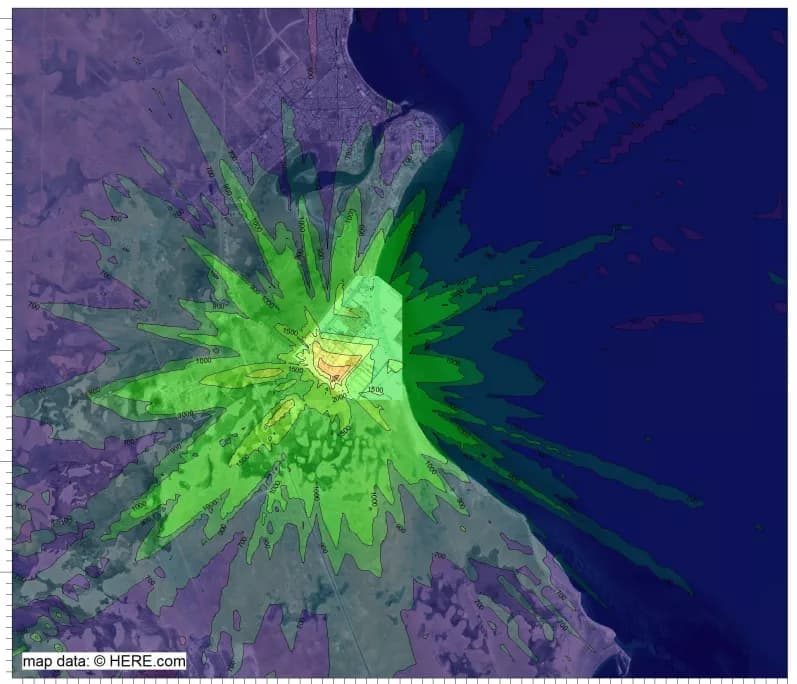
ETLCO provides expert Air Dispersion Modelling Services using state-of-the-art, approved equipment and software to simulate and predict the movement and concentration of airborne pollutants in the environment. Since 2009, ETLCO has been a trusted leader in environmental services, offering precise and reliable air dispersion modelling solutions that comply with NCEC, US EPA, and RC regulations, ensuring that our clients meet environmental compliance standards and minimize their environmental impact.
Air dispersion modelling is a scientific technique used to predict how pollutants released into the atmosphere will disperse over time and space, based on factors such as wind speed, atmospheric conditions, terrain, and pollutant characteristics. It helps assess the potential impact of industrial emissions, vehicle exhaust, or other sources on air quality in surrounding areas. The model provides critical data for understanding pollutant behaviour, identifying areas of concern, and guiding decision-making on emission controls and mitigation strategies.
Our Air Dispersion Modelling Services Include:
- The concentration of pollutants at various distances from the emission source.
- The impact of local weather and topography on the dispersion of pollutants.
- Compliance with air quality standards and regulatory requirements.
- Potential health and environmental impacts of airborne pollutants.
ETLCO’s team of expert engineers applies industry best practices and regulatory guidelines to ensure the accuracy and relevance of the models. These services are invaluable for industries such as petrochemical, manufacturing, power generation, and infrastructure, where understanding the dispersion of pollutants is critical for environmental protection, regulatory compliance, and public health.
With ETLCO’s air dispersion modelling services, clients can proactively manage their emissions, optimize environmental performance, and meet regulatory standards with confidence.
Noise Modeling
ETLCO Noise Modelling Services
ETLCO provides expert Noise Modelling Services using state-of-the-art, approved equipment and software to simulate and predict the spread and impact of noise from various sources in the environment. Since 2009, ETLCO has been a trusted leader in environmental services, offering accurate and reliable noise modelling solutions that comply with NCEC, USEPA, and RC regulations, ensuring clients meet regulatory standards and minimize the impact of noise pollution.
Noise modelling is a scientific technique used to predict the behaviour of noise generated by industrial operations, transportation, and other sources within a specified area. By using advanced software and data input such as topography, building structures, meteorological conditions, and noise source characteristics, noise modelling helps to simulate how sound will propagate and influence the surrounding environment.
Our Noise Modelling Services provide insights into:
- The spread of noise levels across various distances from the source.
- The impact of noise on surrounding communities, infrastructure, and sensitive environments.
- Compliance with noise regulations and guidelines set by local authorities and international standards.
- Identification of noise mitigation measures and strategies to reduce environmental noise impact.
ETLCO’s team applies industry best practices and adheres to all regulatory standards to ensure the accuracy and relevance of our noise models. These services are essential for industries such as construction, transportation, manufacturing, and energy production, where understanding the potential impact of noise pollution is crucial for mitigating effects on public health and ensuring environmental compliance.
By using ETLCO’s noise modelling services, clients can effectively manage noise levels, optimize operational performance, and ensure compliance with regulatory requirements, while reducing the environmental and social impacts of noise pollution.
Cooling Tower Drift Loss Emission Test
Cooling Tower Drift Loss Testing
Measure droplet carryover, assess drift eliminator performance, and support better cooling tower operation.
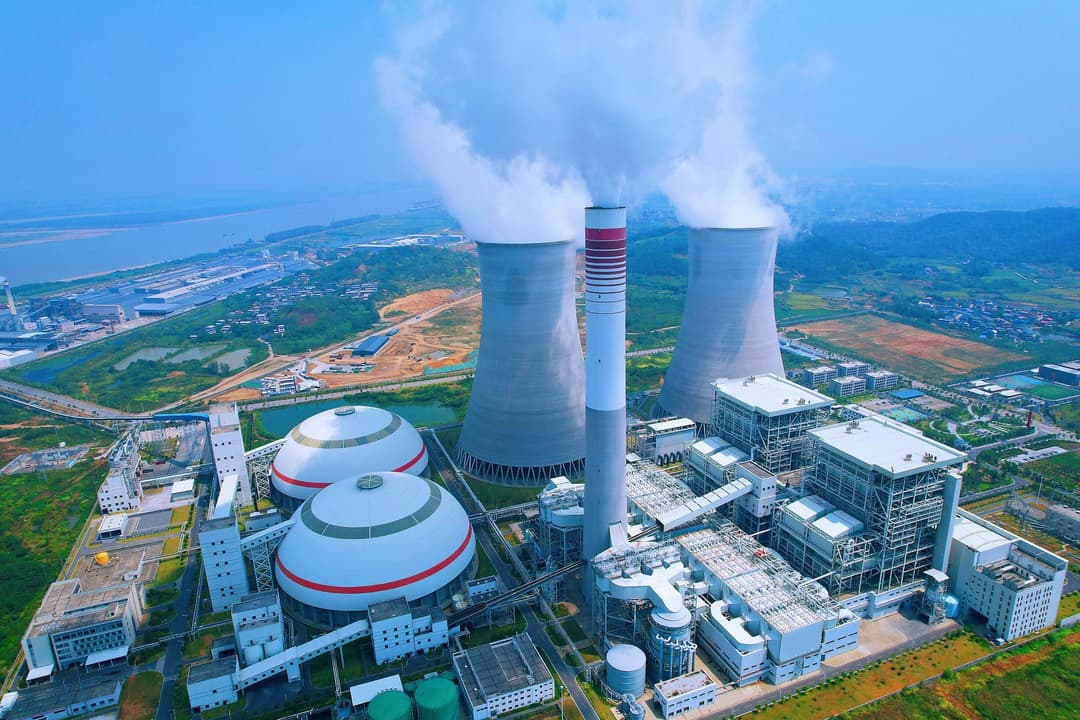
ETLCO provides cooling tower drift loss testing to help industrial facilities and utility operators evaluate water droplets carried out of cooling towers with the discharge air.
Our testing services support performance assessments, commissioning checks, environmental investigations, and evaluation of drift control measures. Each assessment is tailored to the cooling tower design, operating conditions, access arrangements, and project requirements.
What Is Cooling Tower Drift?
Cooling tower drift consists of liquid water droplets entrained in the air leaving the tower. These droplets can carry dissolved salts, suspended solids, and treatment chemicals present in the circulating water.
Drift differs from evaporation: evaporation releases water as vapor, while drift carries liquid droplets out of the system. Visible plume formation alone does not establish the amount of drift loss.
Measuring drift helps operators understand droplet carryover and assess whether further investigation or corrective action is needed.
Why Conduct Drift Loss Testing?
A structured assessment provides evidence to support equipment performance reviews and environmental management.
Cooling tower drift testing can help clients:
Evaluate drift eliminator performance.
Assess performance against agreed supplier guarantees or project criteria.
Investigate suspected droplet carryover and nearby deposition.
Establish baseline performance before maintenance or upgrades.
Compare results before and after drift eliminator replacement.
Support assessments of water loss and associated emissions.
Document operating performance for technical and environmental reviews.
Our Cooling Tower Drift Testing Scope
ETLCO defines the test program with the client before fieldwork, taking account of the measurement objective and the conditions needed for representative results.
Depending on the agreed scope, services may include:
Review of cooling tower design and operating information.
Assessment of discharge geometry and available sampling access.
Selection of sampling locations and test conditions.
Field sampling and measurement using the agreed method.
Collection of relevant circulating water samples.
Recording of operating and environmental conditions.
Calculation and reporting of drift loss.
Comparison with agreed acceptance criteria.
Follow-up testing after maintenance or modifications.
Drift Loss Measurement and Reporting
Where supported by the selected method and available operating data, results may be expressed as a drift mass rate and as a percentage of circulating water flow.
The calculation basis, measurement units, operating data, and relevant limitations are documented so that clients can interpret the results correctly.
Where the project requires an estimate of pollutants carried by drift droplets, additional circulating water analysis and an agreed calculation approach may be included.
Assessing Drift Eliminator Performance
Drift eliminators are designed to reduce the escape of entrained water droplets. Testing can help assess their performance under the conditions recorded during the survey.
ETLCO’s findings can support investigations involving:
Suspected deterioration or damage.
Gaps, misalignment, or installation concerns.
Changes in operating conditions.
Performance following replacement or refurbishment.
Differences between cooling tower cells.
Any physical inspection of internal components is defined separately according to access, shutdown requirements, and the agreed scope.
Representative Testing Conditions
Meaningful results depend on documenting how the tower is operating during the test.
Relevant information may include:
Circulating water flow.
Number of operating cells.
Fan status and operating speed.
Cooling water temperatures.
Tower operating load.
Water quality and treatment conditions.
Ambient weather and wind conditions.
Recent maintenance or equipment changes.
ETLCO coordinates testing with the site team to establish suitable conditions and record factors that may affect the assessment.
Supporting Project and Environmental Requirements
ETLCO develops the test scope around applicable permit conditions, client specifications, and equipment performance requirements, including relevant NCEC or Royal Commission requirements where specified for the facility.
The test method, reporting basis, and acceptance criteria are agreed before mobilization. This helps ensure that the resulting data is suitable for the intended technical review.
Applications Across Industrial and Utility Facilities
Cooling tower drift loss testing supports:
Power generation facilities.
Refineries and petrochemical plants.
Chemical manufacturing facilities.
Industrial cooling water systems.
District cooling plants.
Large commercial and institutional cooling installations.
Testing can be planned for commissioning, routine performance assessment, troubleshooting, or verification after upgrades.
Clear Technical Reports
Depending on the agreed scope, ETLCO’s report may include:
Cooling tower and cell identification.
Test objectives and measurement method.
Sampling locations and test arrangements.
Recorded operating and weather conditions.
Measurement results and calculation basis.
Drift loss values in the agreed units.
Relevant water analysis results.
Comparison with project acceptance criteria.
Observations, limitations, and recommendations for follow-up.
These deliverables help operations, maintenance, and environmental teams assess performance and plan appropriate action.
Plan Your Cooling Tower Drift Loss Test
Share your facility location, cooling tower type, number of cells, circulating water flow, and available drawings. Include drift eliminator details, manufacturer performance guarantees, access arrangements, and any required test method or authority specification.
ETLCO will help define the testing scope and prepare a technical and commercial proposal tailored to your cooling tower system.
Environmental Monitoring Equipment Supply, Installation and Maintenance
Environmental Monitoring Equipment Supply, Installation and Maintenance in Saudi Arabia
Equip your facility with monitoring systems that deliver reliable data and support informed environmental decisions.
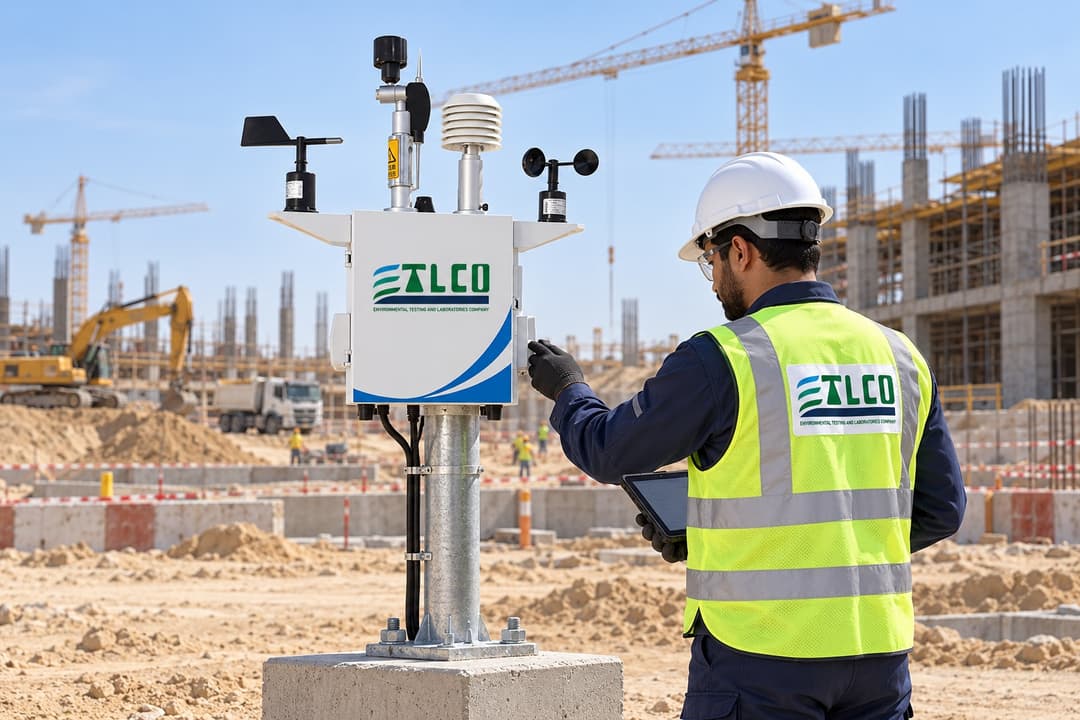
ETLCO provides environmental monitoring equipment supply, installation, and maintenance services for industrial facilities, infrastructure projects, and environmental monitoring programs across Saudi Arabia.
Serving environmental and industrial clients since 2009, we help organizations select suitable equipment, establish monitoring systems, and maintain their operational performance. Our solutions are tailored to the parameters being measured, site conditions, reporting needs, and applicable project requirements.
From air quality monitoring stations to noise and odor-related gas monitoring devices, ETLCO supports the equipment lifecycle—from initial selection through installation and ongoing maintenance.
Equipment Selection That Matches Your Monitoring Objectives
Effective monitoring starts with equipment suited to its intended purpose. ETLCO works with clients to define measurement requirements and identify configurations appropriate to the site and application.
Equipment selection considers:
Target pollutants and environmental parameters.
Required measurement ranges and performance specifications.
Monitoring duration and frequency.
Site conditions, power supply, and communications.
Data storage, access, and reporting requirements.
Maintenance needs and availability of replacement parts.
Applicable authority requirements and client specifications.
Air Quality Monitoring Stations
ETLCO supplies and installs air quality monitoring stations, including systems such as AQM 09, subject to the configuration required for the project.
Depending on the selected analyzers and sensors, monitoring capabilities may include:
Carbon dioxide — CO₂.
Nitrogen oxides — NOₓ.
Sulfur dioxide — SO₂.
Particulate matter, including PM2.5 and PM10.
Volatile organic compounds — VOCs.
Additional parameters specified in the agreed scope.
Suitable configurations support real-time measurements and data logging, helping clients track air quality conditions and investigate changes over time.
The station configuration and measurement methods are selected according to the intended application, including whether the system is required for indicative monitoring or regulatory assessment.
Environmental Noise Monitoring Devices
ETLCO supplies and installs noise monitoring equipment for industrial sites, construction projects, facility boundaries, and other environmental assessment locations.
Depending on the instrument and configuration, measurements may include:
LAeq: Equivalent continuous A-weighted sound level over the measurement period.
L10, L50, L90, and L95: Statistical sound levels exceeded for the corresponding percentage of the measurement period.
These measurements support assessments of noise patterns, background conditions, and changes associated with site activities. Instrument settings, monitoring periods, and reporting outputs are defined to match the assessment requirements.
Odor and Odor-Related Gas Monitoring Systems
ETLCO provides equipment solutions for monitoring gases associated with odor concerns, including:
Hydrogen sulfide — H₂S.
Ammonia — NH₃.
Volatile organic compounds — VOCs.
These systems can help clients track odor-related indicators, identify changes, and investigate potential emission sources at wastewater facilities, waste management sites, and industrial operations.
Gas concentration measurements and odor concentration assessments provide different information. Where odor concentration is required, the appropriate measurement approach is defined separately within the project scope.
Professional Installation and Commissioning
ETLCO coordinates installation to suit the equipment, site layout, and monitoring objectives.
Depending on the agreed scope, installation and commissioning activities may include:
Reviewing the proposed monitoring location and installation requirements.
Positioning and mounting equipment.
Connecting the agreed power and communication interfaces.
Configuring measurement settings and data logging.
Checking instrument operation and data transmission.
Documenting the installed configuration.
Providing operating guidance to the client’s designated personnel.
Commissioning checks help confirm that the system operates as intended before routine monitoring begins.
Preventive Maintenance and Technical Support
Regular maintenance helps reduce avoidable interruptions and preserve the usefulness of monitoring data.
ETLCO’s maintenance services can include:
Scheduled inspections and functional checks.
Cleaning of accessible inlets, filters, and equipment components.
Inspection of sampling lines and connections, where applicable.
Replacement of agreed consumables and worn components.
Fault diagnosis and repair coordination.
Review of power, communication, and data logging performance.
Manufacturer-recommended software or firmware updates, where appropriate.
Maintenance records and recommendations for further action.
Maintenance schedules are developed around manufacturer guidance, site conditions, equipment usage, and project requirements.
Calibration Coordination and Instrument Performance
ETLCO supports instrument performance through maintenance, functional verification, and coordination of calibration with qualified external providers, where required.
Calibration requirements, intervals, and documentation are established according to the equipment, intended use, manufacturer recommendations, and applicable quality requirements.
This approach helps clients maintain traceable equipment records and plan servicing without unnecessary disruption to monitoring activities.
Data Access and System Configuration
Depending on equipment capabilities and the agreed scope, ETLCO can configure monitoring systems to support local data retrieval, remote access, and reporting workflows.
Configuration may include measurement intervals, data storage settings, communication connections, and supported alert functions.
Clear data arrangements help environmental teams identify interruptions, review trends, and retrieve information for reporting.
Supporting Environmental Compliance Requirements
ETLCO helps clients select and maintain equipment suited to applicable National Center for Environmental Compliance (NCEC) requirements, Royal Commission (RC) requirements, and relevant project specifications.
Where the monitoring program calls for US EPA reference or equivalent methods, the equipment configuration and measurement approach are selected accordingly.
Suitability is assessed for the specific application, taking account of installation, operation, maintenance, and data quality requirements.
Solutions for a Range of Industries
Our equipment services support:
Petrochemical plants and refineries.
Manufacturing and industrial facilities.
Power generation and utility sites.
Construction and infrastructure projects.
Wastewater treatment and waste management facilities.
Commercial developments and environmental monitoring networks.
Whether establishing a new monitoring location or maintaining an existing system, ETLCO helps clients define a practical solution for their operational needs.
Discuss Your Environmental Monitoring Equipment Requirements
Share your site location, required parameters, monitoring purpose, and any authority or client specifications. For existing equipment, include the manufacturer, model, current condition, and maintenance history where available.
ETLCO will help define the equipment, installation, and maintenance scope and prepare a technical and commercial proposal tailored to your project.




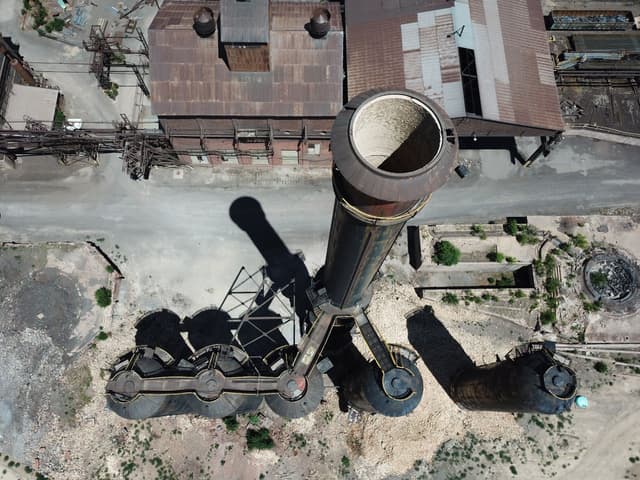
FAQ
Air Dispersion and Noise Modelling Saudi Arabia

Air Quality
We provide professional Air Dispersion and Noise Modelling in Saudi Arabia to help industries assess environmental impact during project planning and operations. Using advanced simulation software and NCEC-compliant methodologies, our Environmental Consultancy Services evaluate pollutant dispersion, noise propagation, and compliance risks. These models are essential for EIAs, permit applications, and Aramco-driven environmental assessments. By integrating accurate data and regulatory expertise, we help clients design safer, compliant, and environmentally responsible facilities across the Kingdom.
We provide comprehensive Ambient Air Quality Monitoring in Saudi Arabia through ETLCO’s specialized Air Quality Monitoring & Testing Services. The air quality ambient stations we operate not only measure but also monitor PM, gases, VOCs, and meteorology, where the NCEC and SASO standards are adhered to strictly. ETLCO's support through Stack Emission Testing in Al Jubail to the industries provides a precise measurement of the pollutants released from the industrial stacks. The instant reporting and the datasets spanning over a long time facilitate the industries and municipalities to do environmental compliance, air quality management, and also to proliferate public health protection across the Kingdom.
ETLCO, in accordance with the ISO-based analytical techniques, carries out highly accurate Cooling Tower Drift Loss Testing in Saudi Arabia, where drift emissions and particulate release are measured. Our Environmental Laboratory supports petrochemical plants, refineries, and large cooling systems in minimizing water loss and achieving NCEC compliance. The clients working with ETLCO will be provided with not only precise data and detailed reporting but also operational insights that will contribute to the safe and efficient cooling tower performance in the whole Kingdom.
ETLCO’s Environmental Consultancy Services is a platform for leading Fugitive Emission Monitoring in Saudi Arabia via LDAR programs and EPA Method 21 techniques. ETLCO’s leak detection takes place in different areas: valves, pumps, compressors, and pipelines, helping customers to meet the stipulations set by Aramco and NCEC. Our monitoring programs lead to the following outcomes: reduced product loss, creation of data for regulatory reporting, and improved operational safety, thus granting environmental performance reliability all over Saudi industrial plants.
Yes, ETLCO offers reliable Air Quality Monitoring Equipment Supply in Saudi Arabia, supporting clients with CEMS units, gas analyzers, particulate monitors, weather sensors, and ambient air quality stations. Through our Air Quality Monitoring & Testing Services, we assist with system design, installation, calibration, and ISO-compliant operation. Our equipment solutions help industrial facilities meet NCEC, SASO, and Aramco environmental requirements. Clients rely on us for accurate, dependable instruments that ensure regulatory compliance and real-time environmental insight.
We provide professional Noise and Odor Monitoring Services in Saudi Arabia to help industrial facilities evaluate community impact and regulatory compliance. Our Environmental Consultancy Services conduct noise mapping, odor assessment, vibration measurement, and dispersion analysis using ISO and NCEC-approved methodologies. These studies support EIAs, environmental permits, and ongoing monitoring programs. By offering detailed reporting and compliance recommendations, we help clients maintain safe, compliant, and community-friendly operations across Saudi Arabia.
ETLCO performs Heavy Equipment Exhaust Emission Testing in Saudi Arabia to help construction, industrial, and petrochemical clients comply with national air quality regulations. As part of our Air Quality Monitoring & Testing Services, we analyze emissions from diesel generators, forklifts, loaders, cranes, and other heavy machinery using ISO and NCEC-approved methods. This testing supports regulatory reporting, safety compliance, and emissions reduction planning. Our results enable clients to maintain cleaner operations while aligning with Aramco and governmental environmental standards.