 English
 العربية

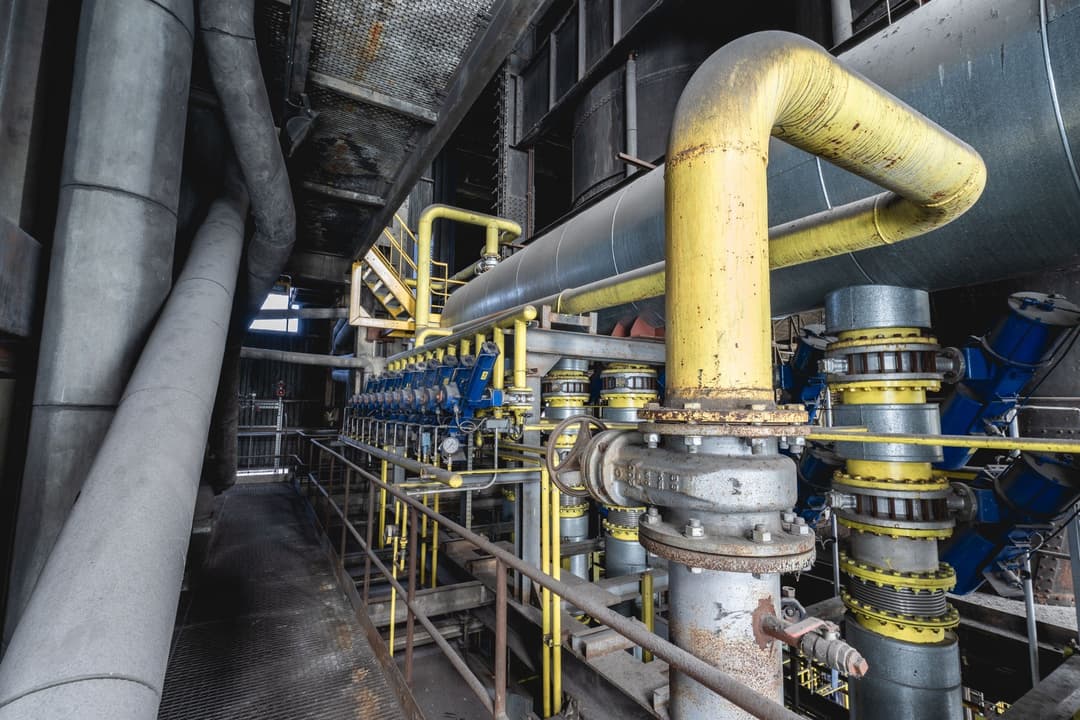

Fugitive Emission Monitoring
Fugitive Emission Monitoring and LDAR Services in Saudi Arabia
Detect leaks, reduce product losses, and strengthen your facility’s environmental performance.
ETLCO provides Fugitive Emission Monitoring (FEMS) services to help industrial facilities identify leaking components and support compliance with applicable National Center for Environmental Compliance (NCEC) requirements and Royal Commission Environmental Regulations (RCER).
Using equipment including TVA 1000, TVA 2020, and Optical Gas Imaging (OGI) cameras, our engineers and supervisors conduct surveys tailored to the facility’s processes, target compounds, and monitoring requirements.
From component identification and tagging to monitoring and reporting, ETLCO provides the information clients need to support effective Leak Detection and Repair (LDAR) programs.
Identify Emissions That Can Go Unnoticed
Fugitive emissions can escape from valves, pumps, connections, seals, and other process components. Detecting these leaks helps operators identify maintenance needs, limit avoidable product losses, and manage environmental impacts.
ETLCO’s monitoring services support:
Detection and documentation of leaking components.
Monitoring of volatile organic compounds (VOCs) and relevant hazardous air pollutants (HAPs), subject to instrument suitability.
Development of traceable component inventories.
Prioritization of maintenance and repair activities.
Follow-up monitoring to evaluate repair effectiveness.
Preparation of records for environmental reviews and reporting.
Component Identification and Tagging
An effective monitoring program starts with a clear understanding of the equipment within scope. ETLCO identifies relevant components and assigns unique identification tags to connect field observations with monitoring records.
Depending on the facility and agreed scope, surveys may cover:
Valves and associated seals.
Pumps and compressors.
Flanges and connectors.
Pressure relief devices.
Open-ended lines.
Sampling connections and other applicable process components.
Component selection reflects the process service, accessibility, and requirements of the monitoring program.
Master Component List Development
ETLCO develops a master component list to organize the monitoring inventory and support consistent follow-up.
The register can include component identification numbers, equipment types, process areas, service descriptions, monitoring status, and relevant field observations.
A structured inventory helps clients plan surveys, track individual components, and maintain continuity between monitoring campaigns.
US EPA Method 21 Monitoring
ETLCO conducts instrument-based component screening using US EPA Method 21, where applicable to the agreed monitoring scope.
Monitoring with suitable TVA instruments supports the detection of VOC leaks at individual components. Results are recorded against component identifiers and evaluated using the leak criteria applicable to the project.
Method 21 screening readings support leak identification; they do not directly represent an emission mass flow rate.
Optical Gas Imaging Surveys
ETLCO uses OGI cameras to help locate gas leaks from equipment and process systems where the target gases are detectable by the selected camera.
OGI provides visual evidence that can help field teams identify leak locations and support maintenance planning. Survey suitability depends on the gas, equipment, and site conditions.
OGI surveys follow the applicable project protocol and are distinguished from Method 21 instrument screening. The monitoring approach is selected according to the facility’s requirements and the purpose of the assessment.
Supporting Leak Detection and Repair Programs
ETLCO’s monitoring results help maintenance teams identify components requiring attention and organize follow-up activities.
Within the agreed scope, our support can include:
Recording and identifying detected leaks.
Preparing component-specific findings for maintenance teams.
Tracking monitoring and repair status using client-provided repair records.
Rechecking components after repairs.
Comparing findings across successive monitoring campaigns.
This coordinated approach helps clients assess whether corrective actions have addressed the detected leaks.
NCEC and Royal Commission Compliance Support
ETLCO structures monitoring programs around applicable NCEC requirements, RCER provisions, facility permit conditions, and client specifications.
Before fieldwork, the monitoring scope establishes the components to be surveyed, methods, leak criteria, reporting requirements, and any follow-up arrangements. Our records support the client’s compliance assessment and provide traceability for environmental reviews.
Clear Reports for Maintenance and Environmental Teams
Reports are prepared to make findings easy to review and act upon. Depending on the agreed scope, deliverables may include:
Master component inventory and tagging records.
Survey dates, locations, and monitoring methods.
Component screening results and identified leaks.
Relevant photographs or OGI records.
Inaccessible or unmonitored components and associated observations.
Follow-up monitoring results.
A summary of findings to support maintenance planning.
Plan Your Fugitive Emission Survey with ETLCO
Share your facility location, process description, estimated component count, target compounds, and applicable monitoring requirements. If available, include your existing component inventory and previous survey reports.
ETLCO will help define the survey scope and prepare a technical and commercial proposal suited to your facility.