
- Address: Al-Jubail Industrial Area, Al-Jubail. ETLCO-PO Box 10113
- Hot Link:+966 50 333 2637

 English
 العربية

Oil & Gas Laboratory
ETLCO’s Oil & Gas Laboratory provides comprehensive testing of fuels, lubricants, transformer oils, crude oil, and petroleum products.
 Lubricating Oil Analysis
Transformer Oil Analysis
Crude and Heavy Fuel Oil Analysis
Diesel and Kerosene Analysis
Petrol & Light Distillate
Refinery & Natural Gases
Grease Analysis
Asphalt and Bitumen
Coolant Analysis
Services
Oil & Gas Laboratory
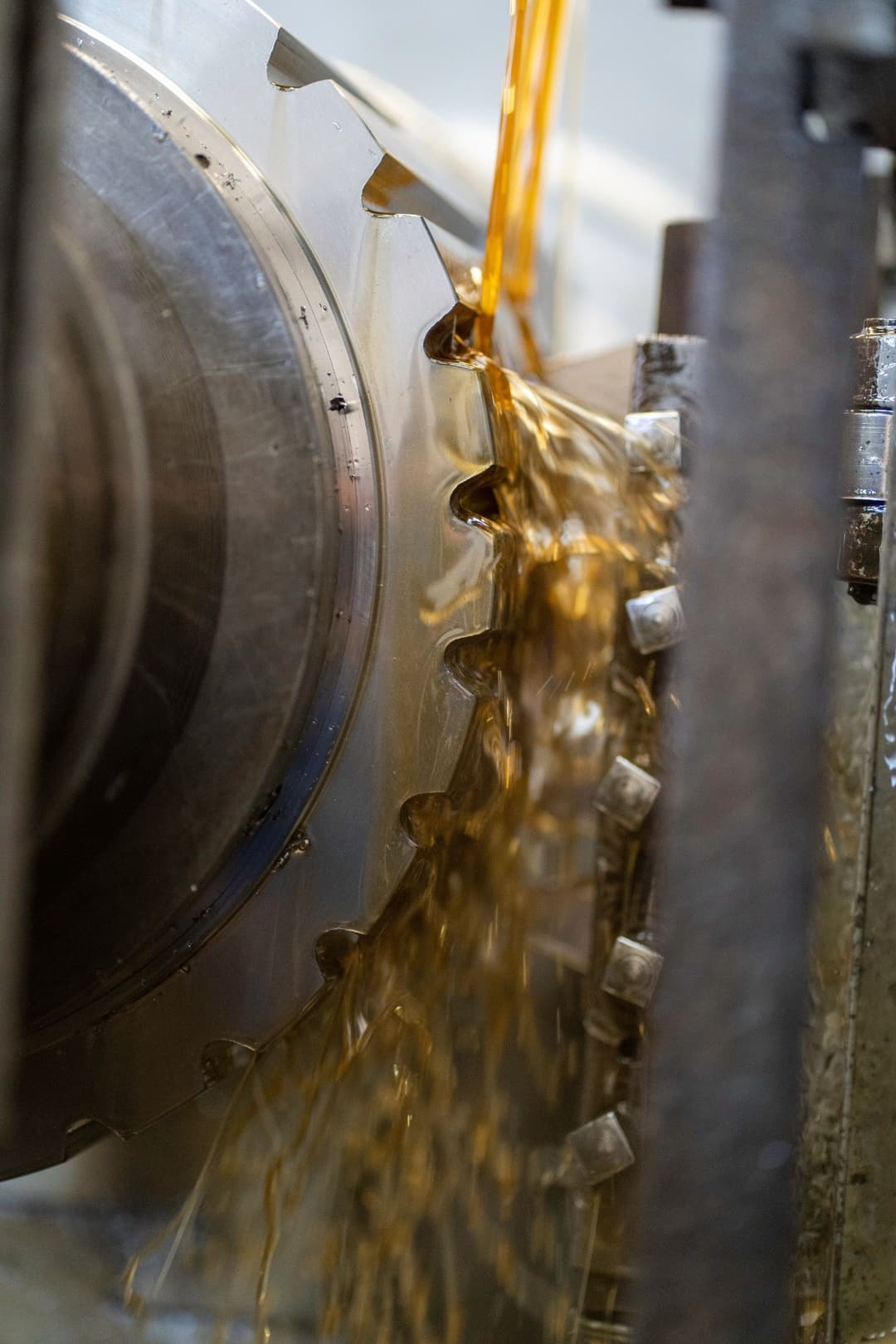

Lubricating Oil Analysis
Lubricating Oil Analysis and Condition Monitoring in Saudi Arabia
Understand oil condition. Detect signs of wear. Make better maintenance decisions.
Environmental Testing and Laboratories Company (ETLCO) provides lubricating oil analysis to help industrial facilities, fleet operators, power plants, and maintenance teams assess lubricant condition and monitor equipment health.
Our Oil & Gas Laboratory evaluates the physical and chemical properties of new and in-service lubricants, helping clients identify contamination, monitor degradation, and investigate wear-related concerns.
From engine oils to turbine, hydraulic, gear, and compressor oils, we tailor testing programs to the lubricant, equipment, operating conditions, and maintenance objectives.
Why Analyze Lubricating Oil?
Lubricating oil carries information about both its own condition and the equipment it serves. Changes in viscosity, contamination, wear debris, or additive condition can provide early indications of developing problems.
Lubricating oil analysis helps you:
Assess whether oil remains suitable for continued service.
Identify water, particles, and other contamination.
Monitor wear-related indicators and investigate abnormal trends.
Evaluate lubricant degradation and changes in selected additives.
Support oil change decisions based on condition and equipment requirements.
Check new lubricants against purchasing specifications.
Prioritize inspections and maintenance activities.
Results are most useful when compared with a new-oil baseline, previous samples, operating hours, and equipment manufacturer guidance.
New Lubricating Oil Testing
Verify Quality Before Use
ETLCO supports the assessment of new lubricants before they enter service. Testing can help confirm selected product properties, check batch consistency, and establish baseline data for future condition monitoring.
A testing scope may include viscosity, density, water content, elemental composition, acidity or alkalinity, and other properties relevant to the lubricant specification.
Used Oil Analysis
Monitor the Lubricant and the Equipment Together
In-service oil analysis helps maintenance teams evaluate how a lubricant changes during operation and whether contamination or wear indicators require attention.
Routine sampling and consistent test methods make it easier to distinguish normal changes from unusual trends. Findings can support further inspection, filtration, contamination control, or oil replacement decisions.
Our Lubricating Oil Testing Capabilities
The testing program is selected according to the lubricant type and application. Not every test is appropriate for every oil.
Kinematic Viscosity
Viscosity testing measures resistance to flow at a specified temperature. Comparing results with the oil’s original properties can help identify changes associated with degradation, contamination, or mixing with another lubricant.
FTIR Spectroscopy
Fourier-transform infrared spectroscopy supports the assessment of lubricant chemistry and changes during service. Depending on the oil and method, it can help monitor oxidation, selected contaminants, and other condition indicators.
Comparison with a suitable reference oil improves the value of the assessment.
Wear Metals and Additive Elements by ICP-OES
Spectrochemical analysis using inductively coupled plasma optical emission spectrometry (ICP-OES) measures selected elements associated with wear, contamination, and lubricant additives.
Results help identify trends requiring investigation. Elemental analysis complements ferrous debris and particle testing because no single technique detects all wear particles equally.
Ferrous Debris Analysis
Ferrous debris testing helps assess the presence of iron-containing wear material in oil. It provides additional information for investigating wear trends when considered alongside elemental analysis and equipment history.
Particle Count
Particle counting evaluates oil cleanliness by measuring particles within specified size ranges. It is particularly useful for monitoring contamination in systems where cleanliness affects component reliability.
Water Content
Water analysis helps identify moisture contamination that may affect lubrication, corrosion protection, and oil condition. Results support investigations into possible ingress sources and the need for corrective action.
Total Acid Number — TAN
Total acid number measures acidic constituents in the lubricant. Tracking changes against a baseline helps assess oil deterioration, with interpretation dependent on the lubricant formulation and application.
Total Base Number — TBN
Total base number assesses alkaline reserve, particularly in engine oils formulated to neutralize acidic products. Trending TBN supports oil condition assessment alongside other test results and operating information.
Oxidation Stability
Oxidation stability testing evaluates the lubricant’s resistance to oxidation under specified test conditions. It supports product evaluation and condition assessment where the method is appropriate.
Antioxidant Assessment by RULER
Linear sweep voltammetry, commonly known as RULER testing, assesses selected antioxidant additives in applicable lubricants. Comparison with a suitable new-oil reference helps evaluate remaining antioxidant levels.
Membrane Patch Colorimetry — MPC
MPC testing assesses the colour intensity of material collected on a membrane patch. It can support the investigation of varnish-related concerns in suitable lubricating oils, particularly as part of a broader condition monitoring program.
Air Release and Foaming Characteristics
Air release testing evaluates how readily an oil releases entrained air, while foaming tests assess foam tendency and stability under specified conditions.
These properties are relevant to lubricant performance in circulating systems.
Demulsibility and Water Separability
These tests assess the ability of an oil to separate from water under defined conditions. They help evaluate lubricants used in systems where water contamination may occur.
Rust Prevention
Rust prevention testing evaluates the oil’s ability to protect ferrous surfaces under specified conditions. It supports assessment against relevant lubricant performance requirements.
Pentane Insolubles
Pentane insolubles testing measures material that does not dissolve under the test conditions. It can support the assessment of contamination and degradation-related material in applicable used oils.
Additional Physical and Chemical Properties
Depending on the lubricant and agreed specification, additional testing may include:
Density.
Aniline point.
Flash and fire points.
Pour point.
Cloud point, where applicable.
Other product-specific properties following technical review.
Oil Analysis for Your Equipment
Engine Oils
Monitor lubricant condition, wear indicators, contamination, and alkaline reserve to support maintenance decisions for engines and operating fleets.
Turbine and Circulating Oils
Assess properties relevant to oxidation, antioxidant condition, water separation, air release, cleanliness, and varnish-related concerns.
Hydraulic Oils
Evaluate viscosity, water content, and particulate contamination to support the reliability of hydraulic systems and sensitive components.
Gear and Compressor Oils
Monitor lubricant condition and wear-related indicators, with testing selected for the equipment design and operating environment.

Transformer Oil Analysis
Transformer Oil Testing and Analysis
Assess insulation condition. Identify warning signs. Plan maintenance with confidence.
Environmental Testing and Laboratories Company (ETLCO) provides transformer oil testing to support utilities, industrial facilities, maintenance contractors, and operators of oil-filled electrical equipment across Saudi Arabia.
Our Oil & Gas Laboratory helps clients assess insulating oil condition, investigate potential faults, and obtain data for maintenance planning. From routine monitoring to targeted investigations, we tailor the testing scope to the oil type, equipment, operating history, and applicable specifications.
Why Test Transformer Oil?
Transformer oil serves as an electrical insulating medium and helps transfer heat away from internal components. Changes in its condition can provide valuable information about oil deterioration, contamination, and developing equipment problems.
Transformer oil analysis supports:
-
Condition monitoring: Track changes in oil properties and insulation condition over time.
-
Fault investigation: Assess indicators that may be associated with thermal or electrical faults.
-
Maintenance planning: Provide evidence for decisions about further inspection, oil treatment, or replacement.
-
Quality verification: Check new or replacement oil against agreed specifications before use.
-
Compliance documentation: Support applicable technical, contractual, and regulatory requirements.
Results are most useful when considered alongside previous test data, equipment loading, maintenance records, and manufacturer guidance.
Our Transformer Oil Testing Capabilities
ETLCO offers a range of tests for assessing the electrical, chemical, and physical properties of transformer oil. The testing program is selected according to the insulating fluid and the purpose of the assessment.
Dissolved Gas Analysis — DGA
Dissolved gas analysis measures gases present in transformer oil. Gas patterns, concentrations, and changes over time can help identify conditions associated with overheating, partial discharge, or electrical arcing.
DGA supports fault investigation and condition monitoring when interpreted alongside equipment history and other diagnostic findings.
Dielectric Breakdown Voltage
This test evaluates the oil’s ability to withstand electrical stress under specified test conditions. It helps assess insulating quality and can indicate the influence of contaminants such as moisture or particles.
Dielectric Dissipation Factor
Also known as the dissipation factor or tan delta test, this analysis assesses dielectric losses in the oil. Changes in results can help indicate contamination or deterioration affecting its electrical properties.
Specific Resistance — Resistivity
Resistivity testing measures the oil’s resistance to electrical conduction. It complements other electrical tests when assessing insulating oil quality and the potential presence of conductive contaminants.
Water Content
Moisture analysis helps assess an important factor affecting insulating performance. Results should be evaluated with consideration for the oil type, sampling temperature, and the relationship between moisture in the oil and solid insulation.
Acid Number
Acid number testing measures acidic constituents in the oil. Tracking changes can help assess oil ageing and support decisions about further investigation or maintenance.
Interfacial Tension
Interfacial tension testing helps assess changes associated with polar contaminants and oil degradation products. It is commonly considered alongside acidity and other oil condition indicators.
Furans by HPLC
Furan analysis using high-performance liquid chromatography (HPLC) measures compounds that can be associated with the degradation of cellulose insulation.
Results can support an assessment of paper insulation ageing, with interpretation informed by equipment design, oil treatment or replacement history, and other operating information.
Oxidation Stability
Oxidation stability testing evaluates the oil’s resistance to oxidation under specified conditions. It supports assessment against relevant product requirements.
Oxidation Inhibitor Content — DBPC
DBPC testing measures the concentration of a commonly used oxidation inhibitor in inhibited insulating oils. It helps assess inhibitor levels against the relevant oil specification or maintenance requirements.
Copper Corrosion and Sulfur-Related Testing
Copper corrosion and applicable sulfur tests help assess characteristics relevant to the interaction between oil and equipment materials. The testing scope is selected according to whether the objective is to measure sulfur content or investigate potentially corrosive sulfur compounds.
Physical Properties and Handling Characteristics
Additional testing capabilities include:
-
Density: To support oil characterization and product consistency checks.
-
Colour: To document appearance and changes that may warrant further investigation.
-
Kinematic viscosity: To assess flow properties relevant to oil circulation and heat transfer.
-
Pour point: To evaluate low-temperature flow characteristics.
-
Flash and fire points: To assess relevant properties under specified test conditions.
-
Rust prevention characteristics: Where applicable to the oil specification and agreed test method.
Additional parameters can be discussed with our laboratory team based on the equipment and testing objectives.
Testing Support Throughout the Equipment Lifecycle
New Oil Acceptance
Verify the quality of new or replacement insulating oil before filling or topping up equipment, using a scope matched to the product specification.
Routine Condition Monitoring
Establish baseline results and monitor changes through periodic sampling. Consistent sampling practices and historical data make it easier to identify trends requiring attention.
Investigation of Abnormal Conditions
Use targeted testing following unusual operating observations, alarms, or changes in previous results. Laboratory findings help inform the next stage of technical investigation.
Assessment Before and After Oil Treatment
Compare selected properties before and after filtration, drying, or other oil treatment to evaluate changes in the measured parameters.
Maintenance and Asset Planning
Use oil analysis alongside inspections and other equipment diagnostics to prioritize maintenance and support asset management decisions.

Crude and Heavy Fuel Oil Analysis
Crude Oil and Heavy Fuel Oil Testing in Saudi Arabia
Understand your feedstock. Verify fuel quality. Make informed refining and operating decisions.
Environmental Testing and Laboratories Company (ETLCO) provides crude oil and heavy fuel oil analysis to support refineries, fuel suppliers, storage terminals, and industrial energy users across Saudi Arabia.
Our Oil & Gas Laboratory helps clients characterize feedstocks, assess product quality, investigate contamination, and evaluate properties relevant to processing, storage, handling, and combustion.
Whether you are assessing a crude oil supply or checking heavy fuel oil before use, we tailor the testing scope to your product, intended application, and agreed specifications.
Crude Oil Analysis
Better Feedstock Information for Refinery Decisions
Crude oils differ in composition and physical properties. Understanding these differences helps refinery teams assess feedstock suitability and identify characteristics that may affect processing and product recovery.
ETLCO provides testing to support crude oil characterization, incoming quality checks, and investigations into feedstock variability.
Our analysis helps clients:
Assess density and API gravity for feedstock characterization.
Evaluate sulfur content, acidity, and elemental composition.
Identify water, salts, and sediment that may require attention before processing.
Assess viscosity and low-temperature flow characteristics.
Examine asphaltenes and carbon residue as part of a broader evaluation of processing behavior.
Compare analytical results across deliveries or potential feedstocks.
These results provide valuable inputs for refinery evaluations, blending studies, and operational planning.
Heavy Fuel Oil Analysis
Check Fuel Quality Before Storage, Transfer, or Use
Heavy fuel oil quality can influence pumping, heating requirements, combustion performance, and residue formation. ETLCO helps industrial users and suppliers assess the properties relevant to their equipment and operating conditions.
Testing supports:
Verification against purchasing and fuel specifications.
Assessment of viscosity and handling characteristics.
Determination of heating value for energy calculations.
Measurement of sulfur, ash, and elemental constituents.
Detection of water and sediment contamination.
Investigation of fuel-related operating concerns.
Our services support heavy fuel oil applications in industrial boilers, furnaces, and power generation equipment designed for these fuels.
Our Crude Oil and Heavy Fuel Oil Testing Capabilities
ETLCO offers a range of analyses selected according to the sample type, intended use, and applicable test method. Not every parameter is appropriate for both crude oil and heavy fuel oil.
Density and API Gravity
Density and API gravity testing help characterize crude oil and fuel products, compare batches, and support quantity calculations.
Viscosity and Flow Properties
Kinematic viscosity, Saybolt viscosity, and pour point testing provide information relevant to pumping, transfer, storage, and low-temperature handling.
Heating Value
Heating value analysis determines the energy content of fuel, supporting fuel comparisons and operational energy calculations.
Sulfur and Elemental Analysis
Testing includes sulfur by energy-dispersive X-ray fluorescence (ED-XRF), elemental analysis, and mercaptan sulfur where applicable. These results support product characterization and assessment against agreed specifications.
Acidity and Corrosiveness
Total acid number measures acidic constituents, while copper strip corrosion testing assesses corrosiveness under specified test conditions, where appropriate to the product and method.
Ash, Carbon Residue, and Asphaltenes
These tests help characterize inorganic residue, carbon residue-forming tendency, and asphaltene content. Results support a broader assessment of feedstock quality and potential processing or combustion concerns.
Water and Sediment
Water content, sediment, and combined water and sediment testing help identify contamination that may affect product quality, handling, and processing.
Salts in Crude Oil
Salt content testing supports the assessment of crude oil quality and feedstock treatment needs before refining.
Flash and Fire Points
Flash point testing provides information relevant to fuel handling and storage. Fire point testing may also be included where a suitable method and product requirement apply.
Additional Product-Specific Testing
Electrical conductivity, gum content, and vapor pressure testing can be considered where suitable for the sample and specification. Requests for Reid vapor pressure or other specific methods are reviewed to confirm their applicability to the submitted product.
Testing Services for Your Operation
Incoming Feedstock and Fuel Acceptance
Assess crude oil or heavy fuel oil deliveries against agreed quality requirements. A defined testing program helps identify variations before the material enters processing or operational use.
Refinery Feedstock Evaluation
Obtain analytical data to support the assessment of crude oil properties and potential processing concerns. Results can inform further engineering evaluations of feedstock selection and refinery suitability.
Storage and Transfer Quality Checks
Evaluate samples following storage or transfer when water ingress, sediment accumulation, mixing, or changes in product condition are suspected.
Blending Assessments
Characterize individual components and proposed blends to support blending decisions. Where stability or compatibility is a concern, the testing program should include a specific assessment suited to the blend.
Operational Troubleshooting
Investigate fuel or feedstock characteristics that may contribute to handling difficulties, deposits, inconsistent combustion, or other operating concerns.
Diesel and Kerosene Analysis
Diesel and Kerosene Testing Services in Saudi Arabia
Know your fuel quality. Protect your equipment. Make informed operating decisions.
Environmental Testing and Laboratories Company (ETLCO) provides diesel and kerosene analysis to help fuel producers, suppliers, distributors, and industrial users assess fuel quality, verify product specifications, and investigate performance concerns.
From routine quality control to suspected contamination, our Oil & Gas Laboratory delivers testing tailored to the fuel type, intended application, and agreed specification. Our services support quality assurance during production and refining, verification before acceptance or use, and the investigation of storage and handling issues.
Why Test Diesel and Kerosene?
Fuel quality can affect equipment reliability, combustion performance, storage, and handling. Laboratory analysis helps identify variations or contamination that may not be apparent through visual inspection alone.
Diesel and kerosene testing helps you:
- Verify whether a fuel batch meets the agreed purchasing or product specification.
- Assess suitability for the intended equipment and operating conditions.
- Identify water, sediment, and other indicators of contamination.
- Investigate concerns such as poor ignition, filter blockage, deposits, or excessive smoke.
- Evaluate fuel condition following storage or transfer.
- Support quality documentation and applicable compliance requirements.
Diesel Fuel Analysis
Reliable equipment operation starts with understanding the fuel you use.
ETLCO supports diesel quality assessment for applications such as generators, transport fleets, construction equipment, and industrial operations.
We help clients evaluate fuel characteristics relevant to ignition quality, flow behavior, handling, and contamination. Testing can support incoming fuel acceptance, supplier quality checks, maintenance investigations, and the assessment of stored fuel before use.
Kerosene Quality Testing
Check the properties that matter for your kerosene application.
ETLCO provides kerosene testing to evaluate characteristics associated with volatility, combustion quality, handling, and cleanliness.
Our testing supports producers, distributors, and industrial users in assessing batch consistency, investigating suspected contamination, and comparing results with the specification relevant to the intended use.
Our Diesel and Kerosene Testing Capabilities
The testing program is selected according to the product and its intended application. Not every parameter is appropriate for both diesel and kerosene.
|
Testing area |
Available parameters and assessment focus |
|
Ignition quality |
Cetane number for diesel fuel, where applicable. |
|
Volatility and boiling characteristics |
Distillation and boiling range distribution. |
|
Viscosity and flow properties |
Kinematic viscosity to assess fuel flow characteristics. |
|
Low-temperature behavior |
Cloud point, pour point, and cold filter plugging point, as applicable to the product. |
|
Handling characteristics |
Flash point and electrical conductivity, according to the relevant specification. |
|
Kerosene combustion quality |
Smoke point to assess the fuel’s tendency to produce smoke under specified test conditions. |
|
Sulfur compounds |
Total sulfur by energy-dispersive X-ray fluorescence (ED-XRF) and mercaptan sulfur. |
|
Water and contamination |
Water and sediment testing to help assess fuel cleanliness. |
|
Residue and deposit-related properties |
Ash content and gum content, where applicable. |
|
Acidity |
Total acid number to assess acidic constituents. |
|
Appearance |
Colour testing to support product consistency checks. |
|
Composition |
Detailed hydrocarbon analysis and oxygenates testing, where relevant to the product or investigation. |
Additional parameters can be discussed with our laboratory team based on your testing objectives and the applicable method.
Testing for Routine Quality Control and Fuel Investigations
Fuel Batch Acceptance
Check incoming deliveries against agreed specifications before release, distribution, or use. A defined testing program supports consistent acceptance decisions and supplier quality management.
Production and Refinery Quality Control
Assess product consistency during production and refining, with testing selected to address the quality characteristics relevant to the finished fuel.
Stored Fuel Assessment
Evaluate diesel or kerosene following storage, particularly when water ingress, sediment accumulation, or changes in fuel condition are suspected.
Equipment Performance Investigations
When operating problems arise, targeted fuel analysis can help determine whether fuel characteristics or contamination may be contributing factors.
Suspected Mixing or Contamination
Investigate unexpected changes in fuel properties through a testing scope designed around the suspected issue and available sample information.
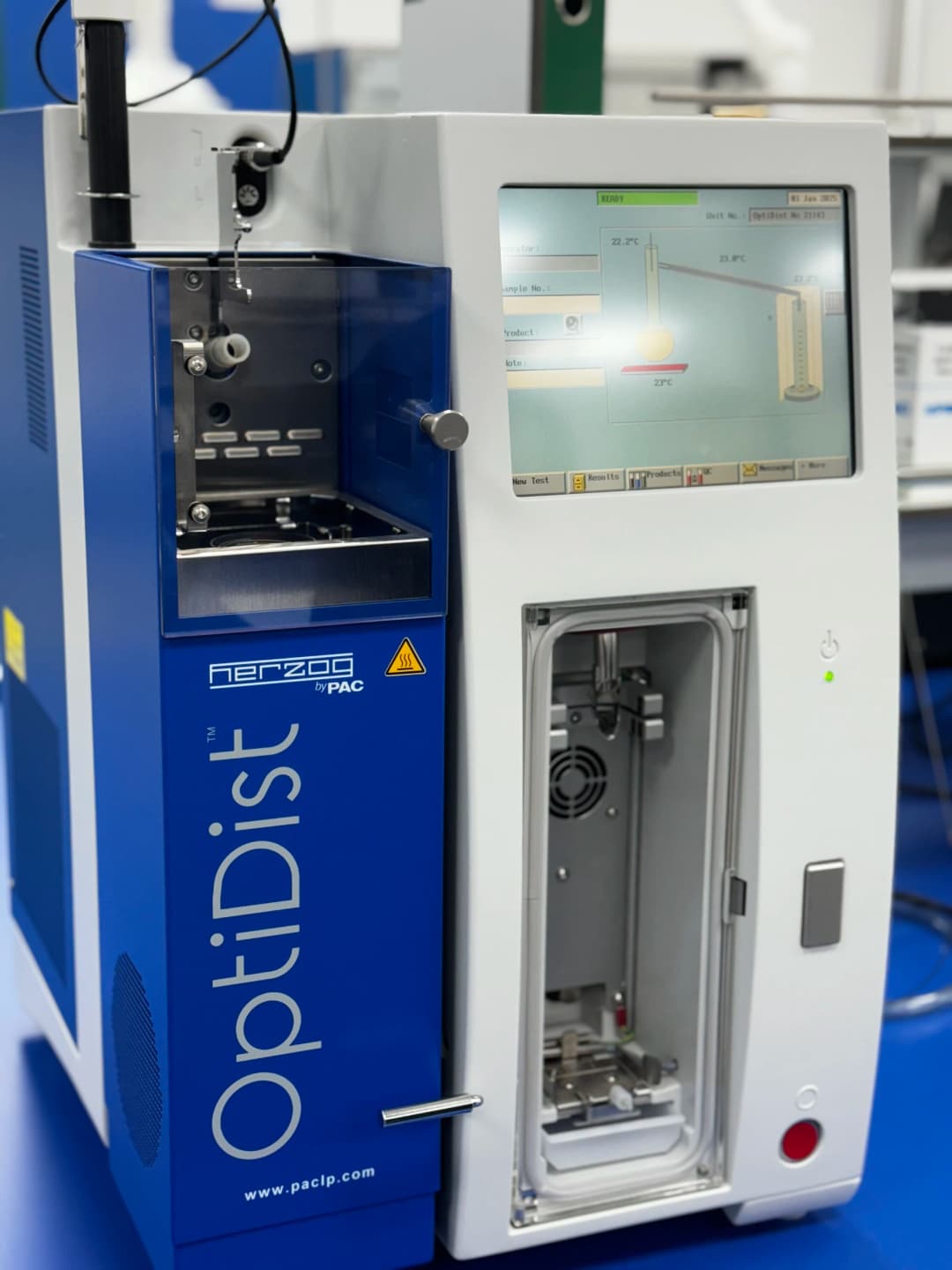
Petrol & Light Distillate
Petrol & Light Distillate Testing
Supporting Fuel Quality and Reliable Performance
The quality and composition of petrol and light distillates influence their performance, handling characteristics, and suitability for engines and industrial applications. Laboratory testing provides essential data for evaluating fuel properties, identifying contamination, and assessing conformity with product specifications and applicable regulatory requirements.
ETLCO’s Oil & Gas Laboratory offers quality testing services for petrol, naphtha, and other light distillates. Our analyses help clients verify product quality, monitor consistency between batches, and investigate concerns that may affect storage, processing, or end use.
Our Petrol and Light Distillate Testing Capabilities
Density, Relative Density & API Gravity
Measurement of key physical properties used to characterize petroleum products, compare batches, and support quantity calculations and specification checks.
Detailed Hydrocarbon Analysis
Analysis of individual hydrocarbons and hydrocarbon groups to characterize product composition and support quality assessment, blending decisions, and investigation of composition changes.
Distillation Characteristics
Evaluation of the temperatures at which different fractions of the product evaporate under specified test conditions. Results help characterize volatility and assess suitability for the intended application.
Electrical Conductivity
Measurement of the fuel’s ability to dissipate electrical charge, providing information relevant to electrostatic charge management during transfer and handling.
Flash & Fire Points
Determination of ignition-related temperature characteristics where appropriate for the product and applicable test method. Results support assessment of handling and storage requirements.
Gum Content
Measurement of gum content under specified test conditions to help assess the potential for deposits that may affect fuel systems and equipment performance.
Mercaptan Sulfur
Determination of mercaptan sulfur content to support product quality assessment and verification against specified limits.
Octane Number
Evaluation of petrol’s resistance to engine knocking, supporting fuel-grade verification and comparison with engine and product requirements.
Oxygenates
Identification and measurement of oxygen-containing compounds in fuel to assess blend composition and conformity with applicable specifications.
Sulfur by ED-XRF
Measurement of sulfur content using energy-dispersive X-ray fluorescence, where suitable for the sample and required reporting range. Results support fuel quality verification and sulfur specification checks.
Water & Sediment
Assessment of water and sediment contamination that may affect product quality, storage, and fuel-system operation.
Water by Karl Fischer Titration
Determination of water content using Karl Fischer titration to help identify moisture contamination and assess conformity with product requirements.
The selection of parameters, test methods, and reporting limits depends on the product type and applicable specifications. Additional testing requirements can be discussed with our laboratory team.
Applications
Our petrol and light distillate testing services support:
Quality verification of petrol, naphtha, and light petroleum distillates.
Refinery production and blending operations.
Incoming product inspection and supplier evaluation.
Fuel storage, distribution, and batch acceptance.
Assessment of feedstock suitability for industrial processing.
Investigation of suspected contamination or variations in fuel quality.
Verification against contractual and applicable regulatory specifications.
Benefits of Petrol and Light Distillate Testing
A suitable testing program helps clients:
Verify fuel properties and composition before use or distribution.
Monitor consistency across production and supply batches.
Identify water, sediment, and other quality concerns.
Support blending, procurement, and product acceptance decisions.
Investigate fuel-related performance issues.
Provide analytical evidence for conformity assessments.

Refinery & Natural Gases
Refinery & Natural Gas Analysis
Supporting Gas Quality and Operational Efficiency
Gas composition plays an important role in the quality, performance, and suitability of gaseous fuels and process streams. Testing refinery and natural gases provides information that supports quality control, process monitoring, safe operations, and environmental compliance assessments.
ETLCO’s Oil & Gas Laboratory provides gas analysis services to help clients characterize gas streams, assess composition, and compare results with operational requirements and product specifications. Testing scopes are tailored to the gas type, process application, and client requirements.
Our Gas Analysis Capabilities
Natural Gas Analysis
Analysis of natural gas composition to determine its hydrocarbon and non-hydrocarbon constituents. Results support gas quality assessment, evaluation of fuel suitability, and monitoring of changes in composition.
Reformed Gas Analysis
Analysis of gas streams produced through reforming processes to assess their composition. Testing supports process monitoring and evaluation against the requirements of downstream applications.
Sulfur Compound Analysis
Identification and measurement of sulfur compounds within the agreed testing scope. Results help clients assess gas quality and investigate concerns related to corrosion, treatment performance, and product specifications.
Gaseous Fuel Analysis
Evaluation of gaseous fuel composition to support fuel quality control and assessment of suitability for the intended combustion application.
Hydrocarbon and Non-Hydrocarbon Gas Analysis
Determination of selected hydrocarbon and non-hydrocarbon components to characterize gas mixtures, monitor process consistency, and investigate unexpected changes in composition.
Hydrocarbons in Petroleum Gases
Analysis of hydrocarbon constituents in petroleum gas streams to support product characterization, quality verification, and comparison with specified composition requirements.
The selection of components, analytical methods, and reporting requirements depends on the gas stream and the purpose of the analysis. Our laboratory team can confirm the appropriate testing scope and sample requirements for each enquiry.
Applications
Our refinery and natural gas analysis services support:
Refinery process streams and fuel gas systems.
Natural gas processing and treatment facilities.
Reforming processes and downstream gas applications.
Industrial gaseous fuel supply and utilization.
Product quality verification and acceptance testing.
Investigation of gas composition changes and process variations.
Environmental assessments requiring gas composition data.
Benefits of Refinery and Natural Gas Analysis
A suitable gas testing program helps clients:
Verify gas composition against agreed specifications.
Monitor consistency in fuel and process gas quality.
Identify constituents that may affect equipment or process performance.
Support evaluation of gas treatment effectiveness.
Make informed operational and quality-control decisions.
Provide analytical data for relevant safety and environmental assessments.
Request Refinery and Natural Gas Testing
Contact ETLCO to discuss your gas stream, sampling conditions, required components, and applicable specifications. Our Oil & Gas Laboratory team can help define an appropriate analysis scope to support your operational and quality requirements.
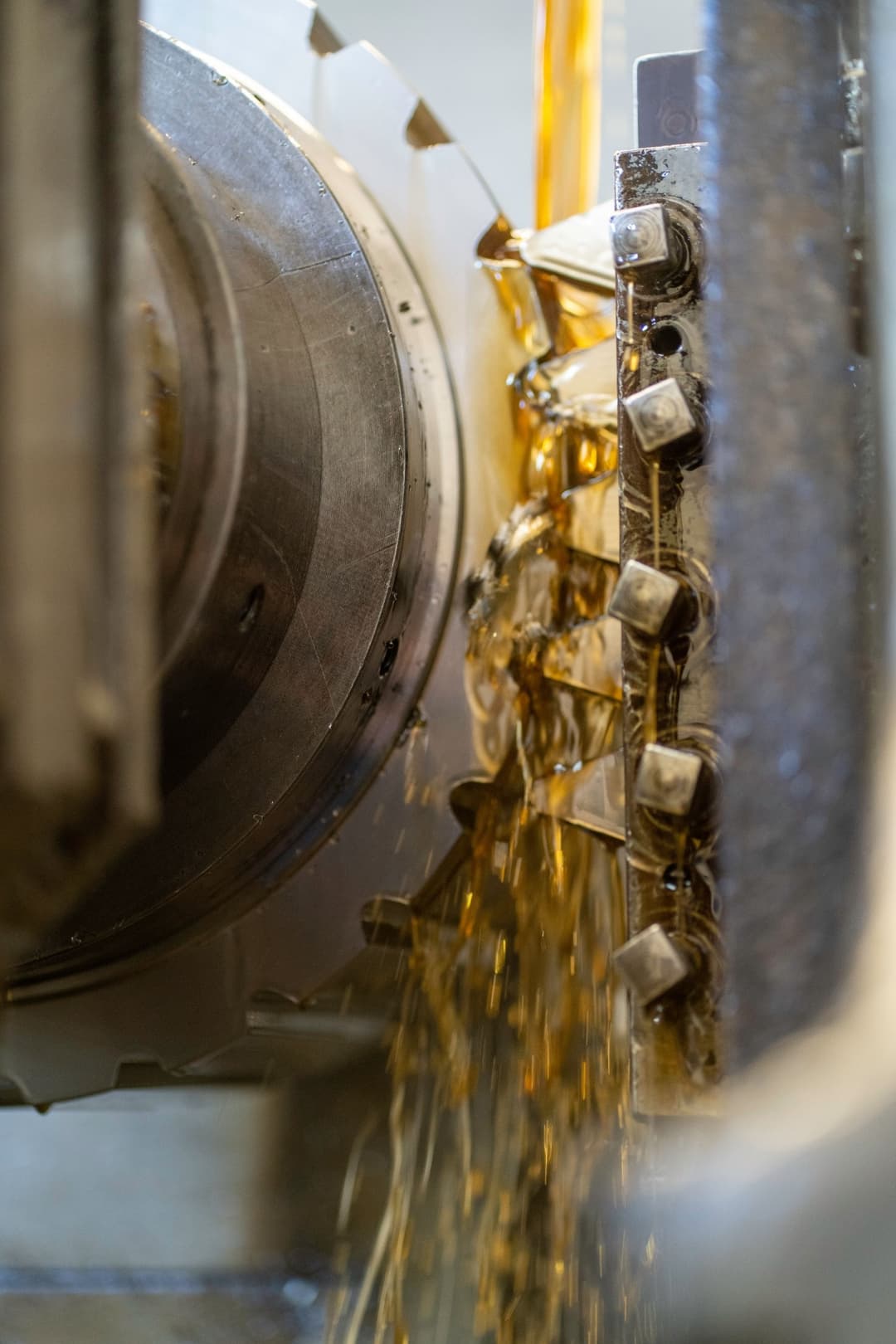
Grease Analysis
Lubricating Grease Analysis
Supporting Effective Lubrication and Equipment Reliability
Lubricating grease is a solid or semi-solid lubricant formulated from three primary components: base oil, thickener, and additives. Together, these components determine how the grease reduces friction, protects against wear, and performs under different temperatures, loads, and operating conditions.
Grease analysis provides valuable information about lubricant quality, consistency, and suitability for its intended application. Testing helps identify changes that may affect lubrication performance and supports informed decisions on product selection, maintenance, and replacement.
ETLCO’s Oil & Gas Laboratory supports clients in evaluating lubricating grease through testing scopes tailored to the grease type, equipment requirements, and applicable specifications.
Key Areas of Grease Analysis
Base Oil Assessment
The base oil provides the primary lubricating film that helps reduce friction and wear between moving surfaces. Grease formulations may use mineral, synthetic, or vegetable-derived base oils. Assessing relevant base oil properties, where applicable, supports evaluation of lubricant quality and suitability for the intended operating conditions.
Thickener Evaluation
The thickener forms a structure that retains the base oil and helps maintain the grease’s consistency. Evaluation of relevant properties helps assess the grease’s ability to retain its structure and provide lubrication when exposed to temperature changes and mechanical stress.
Additive Performance Assessment
Additives enhance properties such as oxidation resistance, corrosion protection, and wear control. Appropriate testing helps evaluate these performance characteristics within the finished grease formulation and supports assessment against application requirements.
Grease Consistency Testing
Consistency influences how grease flows, remains in place, and reaches lubricated surfaces. Tests such as cone penetration measure the firmness or softness of the grease, supporting consistency classification and comparison with specified requirements.
Thermal Performance and Oxidation Stability
Thermal and oxidation testing evaluates selected aspects of grease behavior when exposed to heat and oxidative conditions. These assessments help identify susceptibility to degradation, hardening, softening, or other changes that may affect lubrication performance over time.
The selection of parameters and test methods depends on the grease formulation, sample condition, and client specifications. Our laboratory team can confirm the appropriate scope for each enquiry.
Applications
Lubricating grease analysis supports a range of maintenance and quality-control needs, including:
Bearings and other grease-lubricated mechanical components.
Automotive and heavy-duty equipment.
Industrial machinery and manufacturing facilities.
Equipment operating under elevated temperatures or demanding loads.
Incoming lubricant inspection and supplier evaluation.
Investigations into changes in grease condition or lubrication performance.
Benefits of Lubricating Grease Analysis
A suitable testing program helps clients:
Assess grease quality and consistency.
Compare material properties with equipment and product specifications.
Identify changes associated with degradation or service conditions.
Support lubricant selection and maintenance planning.
Investigate lubrication-related equipment concerns.
Reduce the risk of using unsuitable or deteriorated grease.
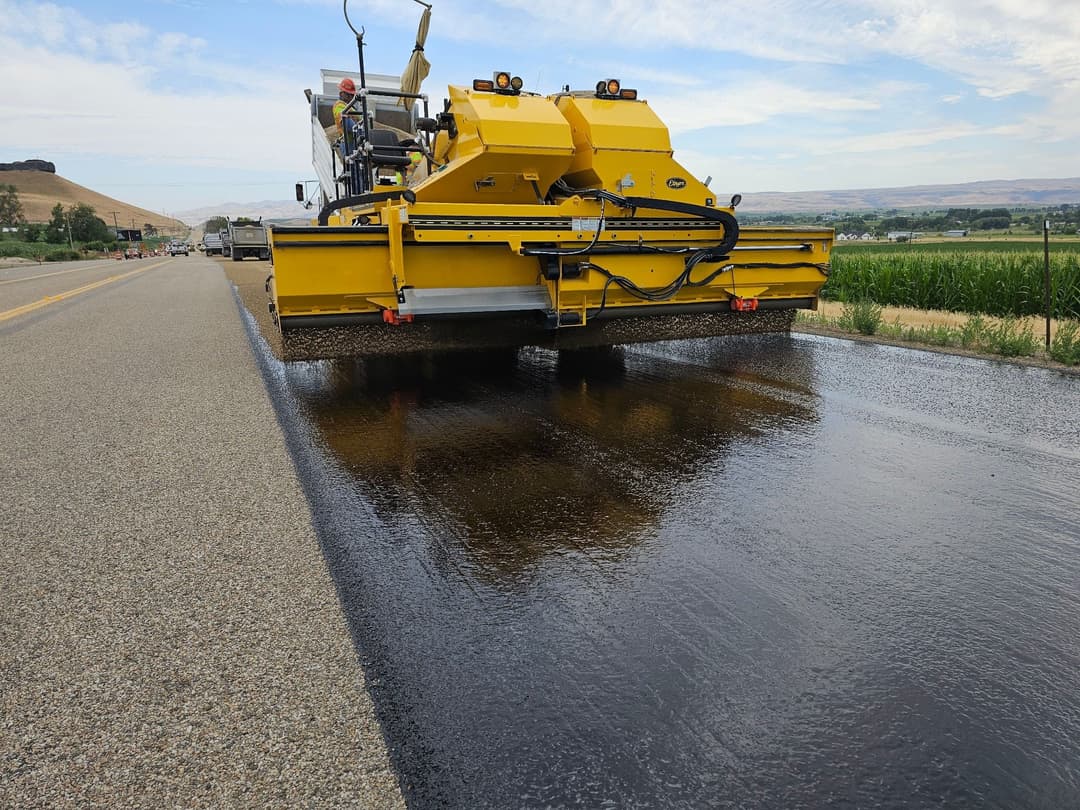
Asphalt and Bitumen
Asphalt and Bitumen Testing
Oil & Gas Laboratory
Supporting Material Quality and Reliable Pavement Performance
Asphalt and bitumen testing provides essential information about the properties and suitability of materials used in roads, parking areas, and other paved surfaces. Laboratory analysis supports material selection, quality control, and assessment against project specifications.
Bitumen is the petroleum-based binder that holds aggregates together in asphalt mixtures. While asphalt testing evaluates the properties of the paving mixture, bitumen testing focuses on the characteristics of the binder itself.
ETLCO’s Oil & Gas Laboratory provides testing of asphalt and bituminous materials to help clients assess material quality, consistency, and suitability for their intended applications. Testing scopes are selected according to the product type and client requirements.
Our Asphalt and Bitumen Testing Capabilities
ETLCO offers analysis of key parameters for applicable asphalt, bitumen, and related petroleum products, including:
Cone Penetration: Assessment of material consistency and resistance to penetration, where applicable to the product.
Distillation of Cutback Asphalt: Evaluation of the volatile fractions and residual binder in cutback asphalt.
Dropping Point: Determination of the temperature at which applicable materials exhibit a drop under specified test conditions.
Electrical Conductivity: Measurement of electrical conductivity where required by the product specification.
Flash Point: Determination of the temperature at which vapors ignite momentarily under specified test conditions, supporting handling and storage assessments.
Mercaptan Sulfur: Measurement of mercaptan sulfur content in applicable petroleum-based products.
Saybolt Viscosity: Evaluation of flow characteristics at a specified temperature.
Softening Point of Bitumen: Assessment of the temperature at which bitumen reaches a defined degree of softening under standard test conditions.
Solubility in Trichloroethylene: Evaluation of the soluble portion of bituminous materials and determination of insoluble matter.
The appropriate test method and parameter selection depend on the material submitted and the applicable specification. Additional testing requirements can be discussed with our laboratory team.
Applications
Our testing services support:
Quality control of bituminous binders and cutback asphalt.
Material evaluation for road construction and pavement maintenance.
Assessment of materials used in parking lots and industrial paved areas.
Supplier qualification and incoming material inspection.
Comparison of test results with client and project specifications.
Investigation of variations in material consistency and quality.
Benefits of Asphalt and Bitumen Testing
Laboratory testing helps clients:
Verify key material properties before use.
Monitor consistency between supplied batches.
Identify deviations from specified requirements.
Support material acceptance and procurement decisions.
Assess handling characteristics relevant to storage and application.
Reduce the risk of using unsuitable materials in paving projects.
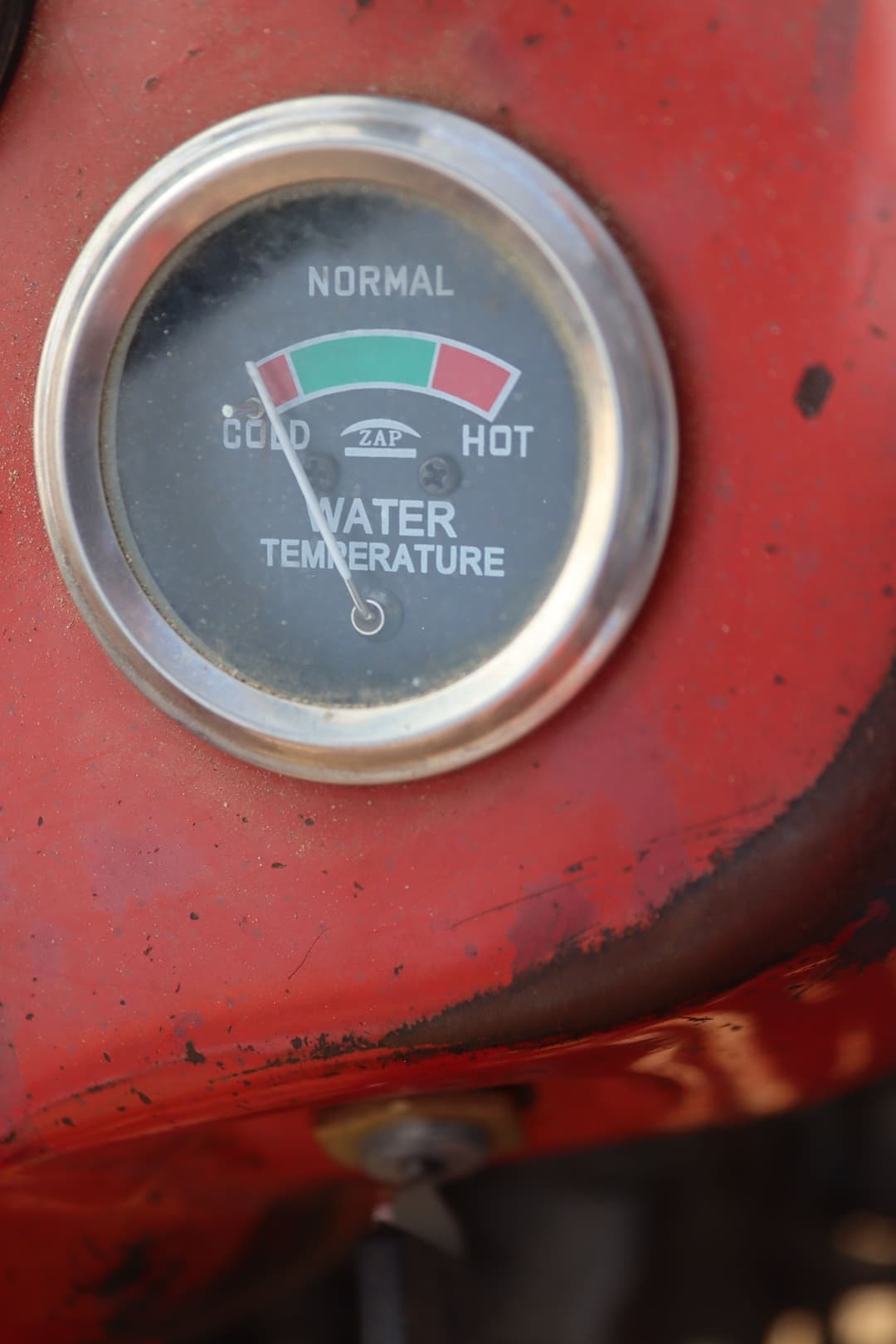
Coolant Analysis
Supporting Efficient Cooling and Equipment Protection
Coolants play an essential role in controlling operating temperatures and protecting cooling systems. Their condition affects heat transfer, corrosion protection, and resistance to freezing and boiling. Regular coolant analysis helps identify changes in fluid quality and supports timely maintenance decisions.
ETLCO’s Oil & Gas Laboratory provides coolant testing services for automotive engines, industrial machinery, and HVAC systems. Our analysis helps clients assess coolant condition, evaluate key performance properties, and determine whether further investigation or corrective action is required.
Our Coolant Testing Capabilities
ETLCO offers testing of key coolant properties, including:
Appearance and Color: Examination of visual condition to identify discoloration, cloudiness, or visible contamination.
Freezing Point: Assessment of the coolant’s protection against freezing.
pH: Measurement of acidity or alkalinity to support evaluation of coolant condition and corrosion protection.
Conductivity: Measurement of electrical conductivity to help identify changes in dissolved ionic content.
Boiling Point: Evaluation of boiling characteristics relevant to high-temperature operation.
Testing requirements can be tailored to the coolant type, system application, and applicable specifications.
Applications
Our coolant analysis services support a range of systems and operating environments:
Automotive and heavy-duty engine cooling systems.
Industrial machinery and process cooling circuits.
Heating, ventilation, and air-conditioning systems.
Routine preventive maintenance and coolant condition monitoring.
Investigations into overheating, suspected contamination, or changes in coolant performance.
Benefits of Regular Coolant Analysis
Routine testing provides information that helps clients:
Monitor coolant condition over time.
Identify changes that may affect cooling performance.
Support investigations into corrosion and contamination.
Make informed coolant replacement and maintenance decisions.
Reduce the risk of cooling-related equipment damage and unplanned downtime.
Request Coolant Testing
Contact ETLCO to discuss your coolant type, cooling system, and testing requirements. Our Oil & Gas Laboratory team can help define an appropriate testing scope to support your maintenance and operational needs.




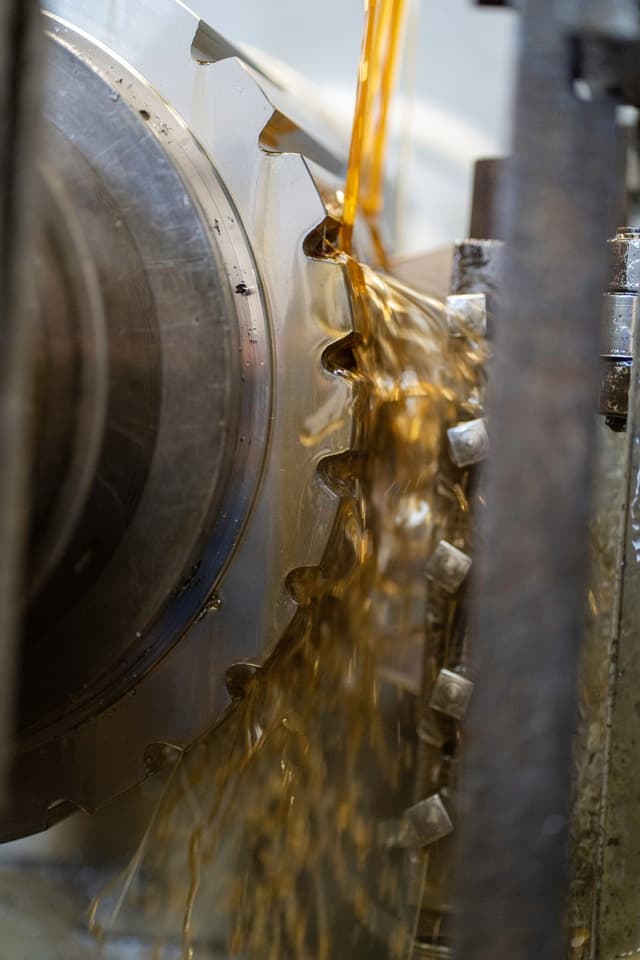
Offshore Oil Testing Al Jubail
Sulfur Content Testing Al Jubail

Oil And Gas Laboratory
We deliver accurate Offshore Oil Testing in Al Jubail through ETLCO’s advanced Oil & Gas Laboratory, supporting offshore platforms, pipelines, and marine operations. Our team analyzes crude characteristics, contaminants, water content, and hydrocarbon composition using ISO- and ASTM-aligned methods. These tests help operators comply with Aramco offshore requirements and ensure equipment reliability. Combined with our Environmental Consultancy Services when needed, ETLCO provides clear reporting, rapid turnaround, and data essential for safe offshore production and environmental compliance in Saudi Arabia.
We perform precise Sulfur Content Testing in Al Jubail to evaluate sulfur levels in crude oil, diesel, fuel oil, and refined products. ETLCO’s Oil & Gas Laboratory uses XRF and ASTM standards to ensure full compliance with Aramco, SASO, and MARPOL requirements. Accurate sulfur analysis helps prevent corrosion, protect equipment, and maintain fuel quality specifications. Our results support refinery operations, blending optimization, and regulatory reporting, making ETLCO a trusted partner for sulfur testing across Saudi Arabia’s industrial and energy sectors.
ETLCO operates a highly specialized Petroleum & Petroleum Products Testing Laboratory in Saudi Arabia, offering analysis of crude oil, refined fuels, lubricants, kerosene, condensates, and petrochemical samples. Our Oil & Gas Laboratory follows ISO 17025 and ASTM methods to ensure accurate density, viscosity, flash point, API gravity, distillation, sulfur content, and hydrocarbon profiling. These results support Aramco quality assurance, compliance reporting, and operational decision-making. With advanced instrumentation and expert staff, we provide reliable testing across Saudi Arabia’s refining, petrochemical, and energy sectors.
We perform detailed Crude Oil Analysis in Al Jubail, evaluating key parameters such as API gravity, viscosity, salinity, TAN, BTEX, and hydrocarbon composition. ETLCO’s Oil & Gas Laboratory ensures compliance with Aramco and ASTM standards, supporting refineries, upstream operators, and storage facilities. Our analysis helps determine crude quality, blending requirements, and processing behavior. Supported by Environmental Laboratory capabilities where needed, ETLCO delivers accurate data, rapid results, and technical insights essential for efficient and compliant crude oil management.
ETLCO offers comprehensive Diesel and Kerosene Testing in Saudi Arabia, analyzing flash point, cetane index, sulfur content, distillation range, contaminants, and fuel stability. Through our accredited Oil & Gas Laboratory, we follow ASTM and ISO standards to ensure product quality for industrial, aviation, and commercial uses. Compliance with SASO and Aramco specifications is central to our testing approach. ETLCO delivers reliable results that help prevent engine damage, ensure safety, and maintain fuel performance across critical applications in the Kingdom.
We provide detailed Industrial Lubricant Testing in Al Jubail and specialized Lubricating Oil Analysis in Saudi Arabia to assess equipment health, contamination levels, viscosity, additives, wear metals, and oxidation stability. ETLCO’s Oil & Gas Laboratory supports preventive maintenance programs for power plants, petrochemical facilities, and manufacturing industries. By analyzing lubricants according to ASTM standards, we help clients extend equipment life, reduce downtime, and optimize operational efficiency. Our insights form a critical part of reliability engineering and maintenance planning.
ETLCO offers advanced Hydrocarbon Analysis in Al Jubail, including GC-based profiling of light distillates, gases, and petrochemical streams. We also conduct Light Distillate Analysis for naphtha, condensates, and fuel blends. For power and industrial clients, ETLCO provides reliable Transformer Oil Analysis in Al Jubail and full Transformer Oil Condition Monitoring in Saudi Arabia, assessing dielectric strength, moisture, acidity, PCB content, and dissolved gases. Using ISO and ASTM standards, our Oil & Gas Laboratory ensures equipment reliability, asset safety, and compliance with regulatory requirements.