 English
 العربية
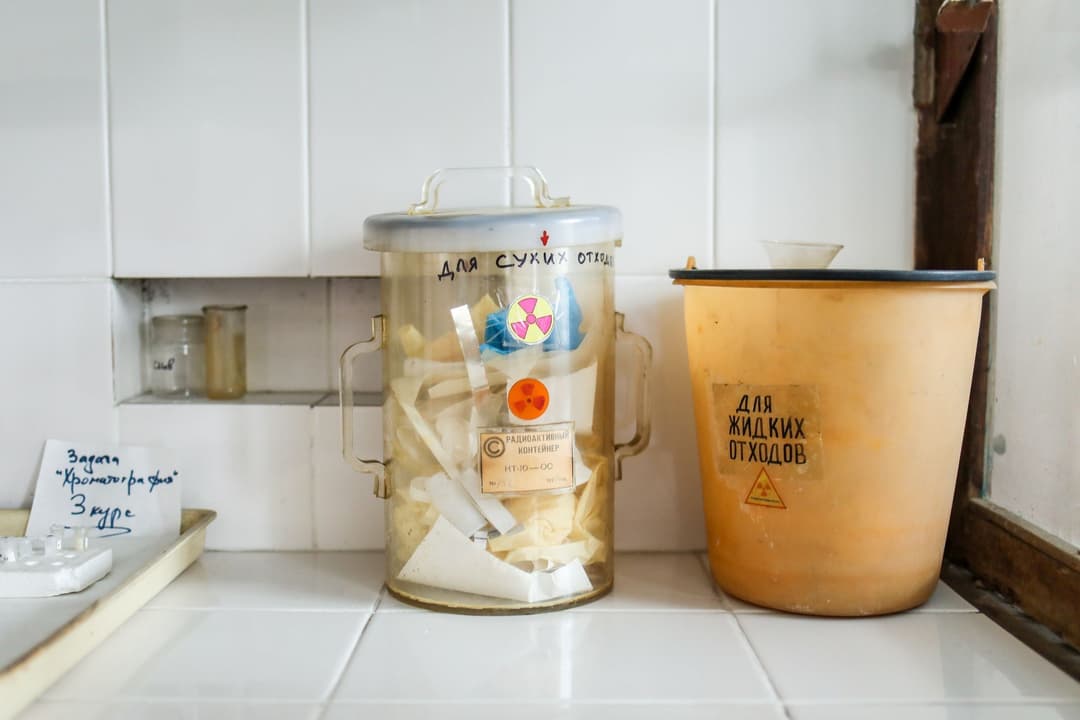
Hazardous Waste Testing & Characterization
Hazardous Waste Testing and Characterization
Understand your waste. Assess its hazards. Plan appropriate treatment and disposal.
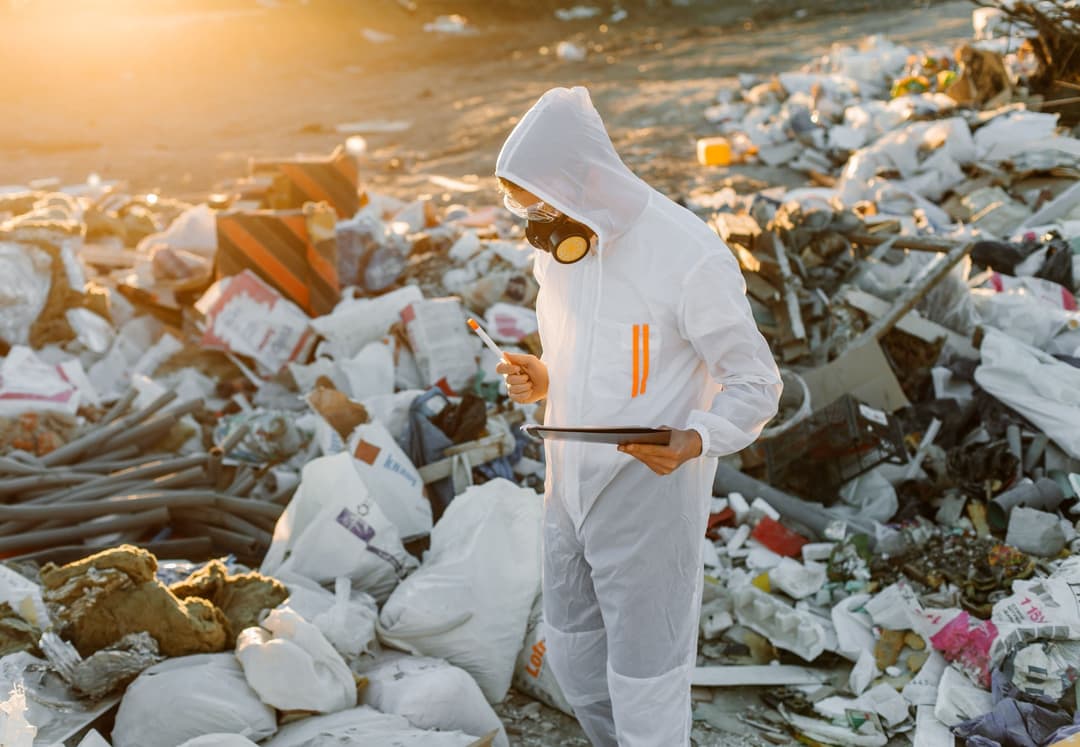
Environmental Testing and Laboratories Company (ETLCO) provides hazardous waste testing and characterization to help industrial facilities, petrochemical companies, waste generators, and environmental contractors make informed waste management decisions.
Our Environmental Laboratory evaluates waste composition and relevant hazardous characteristics to support classification, handling, treatment, and disposal planning. We tailor the analytical scope to the waste source, sample matrix, suspected contaminants, and applicable project requirements.
From routine waste profiling to investigations involving an unfamiliar waste stream, ETLCO provides analytical data to support responsible waste management.
Why Test and Characterize Waste?
Waste materials can vary considerably in composition, even when generated by similar processes. Understanding their properties helps determine the precautions and management options appropriate to each waste stream.
Waste characterization helps clients:
Identify chemical constituents and potential contaminants.
Assess characteristics relevant to hazardous waste classification.
Support decisions on segregation, storage, and handling.
Provide information for treatment and disposal evaluations.
Prepare analytical documentation for receiving facilities.
Investigate changes in waste composition following process modifications.
Support applicable environmental and contractual requirements.
Laboratory results form part of the classification process and should be considered alongside knowledge of the generating process and the relevant waste management criteria.
Our Hazardous Waste Testing Capabilities
Toxicity Characteristic Leaching Procedure — TCLP
ETLCO provides TCLP testing using US EPA SW-846 Method 1311 to assess the potential mobility of selected organic and inorganic contaminants in waste.
The procedure produces an extract that is analyzed for the contaminants specified in the testing scope. Results help assess whether those constituents may leach from the waste under the conditions defined by the method.
Depending on project requirements, the analytical scope may include:
Metals.
Volatile organic compounds.
Selected semi-volatile organic compounds.
Pesticides and other specified organic contaminants.
TCLP results and total constituent concentrations provide different information. The appropriate approach is selected according to the classification or waste acceptance question being addressed.
Corrosivity Assessment
Corrosivity assessment evaluates properties relevant to a waste’s potential to corrode materials.
Depending on the waste type and applicable requirements, assessment may include pH measurement or testing for corrosivity toward steel. Results support waste classification and decisions about suitable containment and handling.
Ignitability Assessment
Ignitability testing evaluates characteristics associated with a waste’s potential to ignite under specified conditions.
For suitable liquid wastes, flash point testing can form part of the assessment. Other waste forms require an approach appropriate to their physical properties and the applicable criteria.
Reactivity Assessment
Reactivity assessment considers whether a waste may be unstable, react dangerously with water or other materials, or release hazardous gases under relevant conditions.
The assessment combines available process information, knowledge of the waste’s composition, and appropriate targeted investigations. The approach is defined case by case rather than treated as a single universal laboratory test.
Heavy Metals Analysis
ETLCO analyzes metals in waste samples and prepared extracts to support characterization and contamination assessment.
The target metals, preparation procedure, and reporting limits are selected according to the waste source and project requirements. Total metals analysis and leachable metals analysis are identified separately in the scope and reporting.
Volatile Organic Compounds — VOCs
VOC analysis helps investigate selected volatile contaminants associated with solvents, industrial chemicals, and process residues.
The testing scope is tailored to the waste stream, with particular attention to sample collection, preservation, and handling to minimize losses before analysis.
Pesticides and Other Organic Constituents
Analysis for selected pesticides and other organic contaminants can be included where relevant to the waste’s origin and the assessment objectives.
Our team reviews the requested compounds and sample matrix before testing to establish an appropriate analytical program.
Testing Matched to Your Waste Stream
ETLCO supports the assessment of waste materials such as:
Industrial wastewater and liquid waste.
Wastewater treatment sludge.
Process residues and solid waste.
Contaminated soil and cleanup materials.
Petrochemical and industrial waste mixtures.
Sample acceptance and the testing scope are confirmed after reviewing the material’s composition, physical form, and known hazards.
Recognized Methods and Applicable Requirements
ETLCO uses US EPA SW-846 methods and suitable EPA methods for aqueous matrices, selected according to the waste type and required analysis.
For projects referencing the Royal Commission Environmental Regulations, including RCER 2015 where specified, the applicable edition, assessment criteria, and receiving facility requirements are reviewed when defining the testing scope.
This approach aligns the analytical work with the requirements relevant to the project. Use of an EPA method does not, by itself, establish compliance with every local classification or disposal requirement.
Support for Waste Management Decisions
Waste Classification and Profiling
Obtain analytical information to support waste profiles and classification assessments before selecting a management route.
Treatment Planning
Identify constituents and properties relevant to evaluating treatment options. Where needed, compare samples before and after treatment to assess changes in the tested parameters.
Disposal Facility Acceptance
Prepare testing data against the receiving facility’s specified acceptance criteria. Final acceptance remains subject to that facility’s review and applicable requirements.
Process Changes and New Waste Streams
Characterize waste following changes in raw materials, production processes, or treatment operations to determine whether its analytical profile has changed.
Contamination and Cleanup Projects
Assess waste generated during cleanup activities to support segregation, handling, and evaluation of treatment or disposal options.
Clear Reporting for Your Project
ETLCO discusses reporting requirements and turnaround expectations before testing begins.
Depending on the agreed scope, reports can include:
Sample identification and descriptions.
Analytical results and units.
Test and preparation method references.
Applicable reporting limits.
Relevant result qualifiers.
Comparisons with agreed reference criteria, where requested.
Clear reporting helps clients understand what was tested and how the results relate to the intended assessment.