 English
 العربية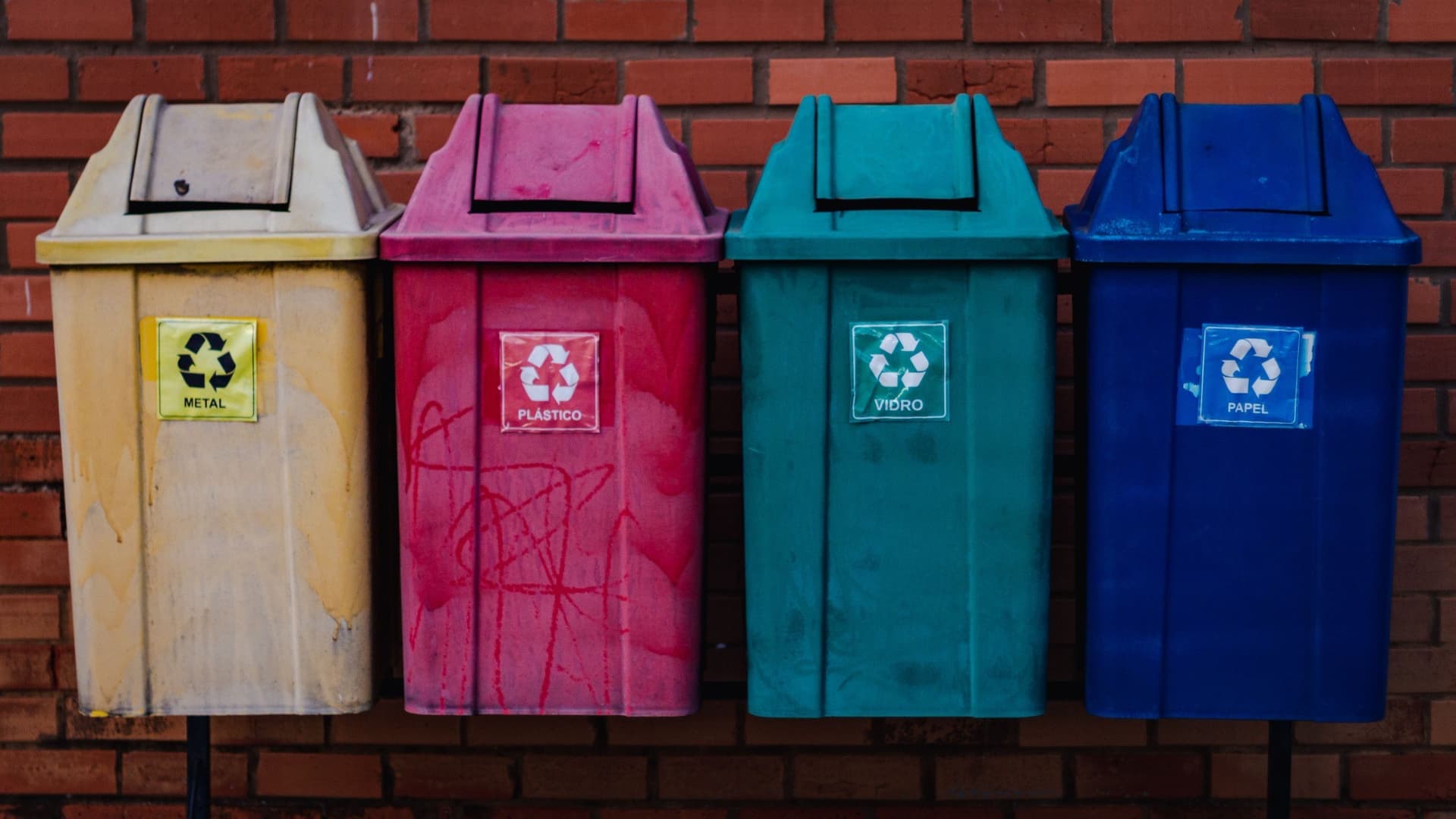
Waste Management Planning and Waste Minimization Services
Reduce waste at the source, improve resource efficiency, and establish clear controls from generation to final disposal.
ETLCO provides waste management planning and waste minimization services that help organizations understand their waste streams, identify reduction opportunities, and develop practical arrangements for responsible handling, storage, recovery, treatment, and disposal.
We support industrial facilities, construction projects, commercial operations, and infrastructure developments with plans tailored to their activities, waste characteristics, site conditions, and applicable requirements.
Our approach connects waste assessment with implementation—helping your team establish responsibilities, evaluate management options, and measure improvements in waste performance.
How Our Services Support Your Operations
A well-developed waste management plan helps organizations control environmental risks and identify opportunities to reduce material losses and waste-related costs.
ETLCO helps clients:
Identify waste sources, types, quantities, and characteristics.
Prevent and minimize waste generation.
Improve segregation and reduce contamination of recoverable materials.
Establish suitable handling and temporary storage arrangements.
Evaluate reuse, recycling, recovery, treatment, and disposal options.
Organize compliance records and service-provider documentation.
Assign responsibilities and strengthen employee awareness.
Track waste performance and prioritize continual improvement.
Our Waste Management Planning Services
1. Waste Stream Assessment and Characterization
Understanding what your operations generate is the foundation of effective waste management.
ETLCO reviews processes, materials, and existing records to develop a waste inventory and identify streams requiring further assessment or laboratory testing.
The scope may include:
Identifying waste-generating activities and locations.
Reviewing raw materials, process inputs, and material losses.
Assessing waste quantities, generation frequency, and seasonal variations.
Describing physical and chemical characteristics.
Reviewing potential hazardous properties.
Developing sampling and analysis requirements where necessary.
Preparing waste profiles to support classification and management decisions.
Where testing is required, the analytical scope is selected according to the waste matrix, suspected contaminants, and relevant classification or receiving-facility requirements.
2. Regulatory Compliance Review
ETLCO helps clients identify and organize the waste-related obligations applicable to their operations.
The review considers the waste types, site jurisdiction, environmental permits, and proposed management arrangements. Where relevant, it addresses requirements associated with the National Center for Waste Management (MWAN), the National Center for Environmental Compliance (NCEC), and the Royal Commission.
Services may include:
Reviewing permit conditions and waste-related obligations.
Assessing existing handling, storage, and documentation practices.
Identifying gaps requiring corrective action.
Reviewing service-provider authorizations against the proposed activities.
Identifying waste tracking and reporting requirements.
Preparing a compliance action register with assigned responsibilities.
The applicable requirements and approval arrangements are established for each project and waste stream.
3. Waste Minimization and Source Reduction Planning
ETLCO places waste minimization at the center of the planning process. We help clients identify how waste can be prevented or reduced before it requires collection, treatment, or disposal.
Our assessment may consider:
Improving material purchasing and inventory control.
Reducing expired, damaged, or surplus materials.
Optimizing material use and process efficiency.
Reviewing opportunities for suitable material substitution.
Reducing product defects, rejected batches, and rework.
Improving housekeeping and material handling.
Preventing leaks, spills, and avoidable material losses.
Reducing unnecessary packaging and single-use materials.
Evaluating internal reuse and process recirculation opportunities where technically suitable.
Each opportunity is assessed in the context of product quality, operational requirements, safety, feasibility, and environmental benefit.
4. Waste Reduction Targets and Implementation Programs
We translate waste minimization opportunities into an actionable improvement program.
The program may include:
Establishing baseline waste generation.
Setting realistic reduction objectives for priority waste streams.
Defining performance indicators, such as waste generated per unit of production.
Prioritizing initiatives by feasibility, expected benefit, and implementation cost.
Assigning action owners and completion dates.
Identifying resource and training needs.
Establishing progress reviews and corrective actions.
Using both total waste quantities and activity-based indicators helps organizations understand whether improvements reflect greater efficiency or changes in production levels.
5. Waste Segregation Systems
Effective segregation supports safer handling and improves the suitability of materials for reuse or recycling.
ETLCO develops segregation arrangements suited to the waste streams and physical layout of the site.
Services may include:
Defining waste categories and collection points.
Recommending appropriate containers and identification systems.
Planning separation of hazardous, non-hazardous, recyclable, and general waste.
Identifying incompatible wastes that require separate storage.
Reducing mixing that could contaminate recoverable materials.
Preparing signage and employee instructions.
Establishing inspection and housekeeping arrangements.
The plan connects segregation at the point of generation with subsequent storage, collection, and transfer.
6. Waste Handling and Temporary Storage Planning
ETLCO helps clients develop practical arrangements for managing waste while it remains on site.
Depending on the waste characteristics, planning may address:
Internal collection routes and transfer procedures.
Container suitability, labeling, and closure.
Designated storage areas and access controls.
Spill prevention and secondary containment needs.
Protection from weather and contact with soil or drainage systems.
Inspection schedules and container condition checks.
Waste accumulation tracking and collection schedules.
Procedures for damaged containers, leaks, and unexpected waste.
Recommendations reflect site conditions and the specific hazards of the materials involved.
7. Reuse, Recycling, and Resource Recovery Assessment
We help organizations identify opportunities to recover value from materials that would otherwise enter the disposal stream.
The assessment may include:
Reviewing potential internal reuse applications.
Identifying recyclable materials and suitable recovery routes.
Assessing contamination and segregation barriers.
Reviewing specifications required by receiving facilities.
Evaluating collection logistics and storage needs.
Comparing potential benefits with handling and processing costs.
Defining records needed to substantiate recovery outcomes.
Proposed routes are evaluated for technical suitability and the receiving provider’s ability and authorization to accept the material.
8. Waste Treatment and Disposal Planning
For waste that cannot reasonably be prevented, reused, or recovered, ETLCO supports the evaluation of suitable treatment and disposal arrangements.
Services may include:
Identifying management options appropriate to each waste stream.
Reviewing treatment needs based on waste characteristics.
Assessing receiving-facility acceptance criteria.
Identifying additional testing or pretreatment requirements.
Reviewing transportation and transfer arrangements.
Developing contingency options for rejected loads or service interruptions.
Defining the documentation required to track waste to its destination.
Our services focus on assessment, planning, and technical support. Transportation, treatment, and disposal are carried out by appropriately authorized service providers.
9. Treatment and Disposal Methods Evaluation
ETLCO helps clients compare management alternatives and document the basis for selecting an appropriate route.
Evaluation criteria may include:
Waste composition and hazardous properties.
Technical suitability and treatment effectiveness.
Environmental risks and secondary waste generation.
Facility acceptance conditions and applicable authorizations.
Transportation distance and handling requirements.
Service availability and operational reliability.
Overall management cost and recordkeeping requirements.
The outcome is a documented comparison that supports informed decisions for individual waste streams.
10. Training, Tracking, and Performance Review
A waste management plan depends on consistent implementation across the organization.
ETLCO supports implementation through:
Defining responsibilities for employees, supervisors, and contractors.
Developing awareness materials and practical instructions.
Preparing waste inspection checklists.
Establishing waste generation and transfer records.
Tracking reuse, recycling, treatment, and disposal quantities.
Reviewing performance against waste reduction targets.
Identifying corrective actions and updating the plan.
These arrangements help management monitor results and address recurring problems.
What Your Organization Receives
Depending on the agreed scope, deliverables may include:
A waste inventory and waste stream profiles.
A waste characterization report and relevant analytical results.
A compliance review and corrective action register.
A site-specific waste management plan.
A waste minimization and source reduction action plan.
Segregation, handling, and temporary storage procedures.
An assessment of reuse, recycling, treatment, and disposal options.
Waste tracking forms and performance indicators.
Employee awareness materials and inspection checklists.
A schedule for implementation and periodic review.
Plan for Less Waste and Better Environmental Performance
Share your facility’s activities, process information, waste types, estimated quantities, existing management arrangements, and environmental permit conditions with ETLCO. Include available laboratory reports, disposal records, and any specific waste reduction objectives.
Our team will review your requirements and prepare a technical and commercial proposal for a waste management and minimization program suited to your operations.