

 English
 العربية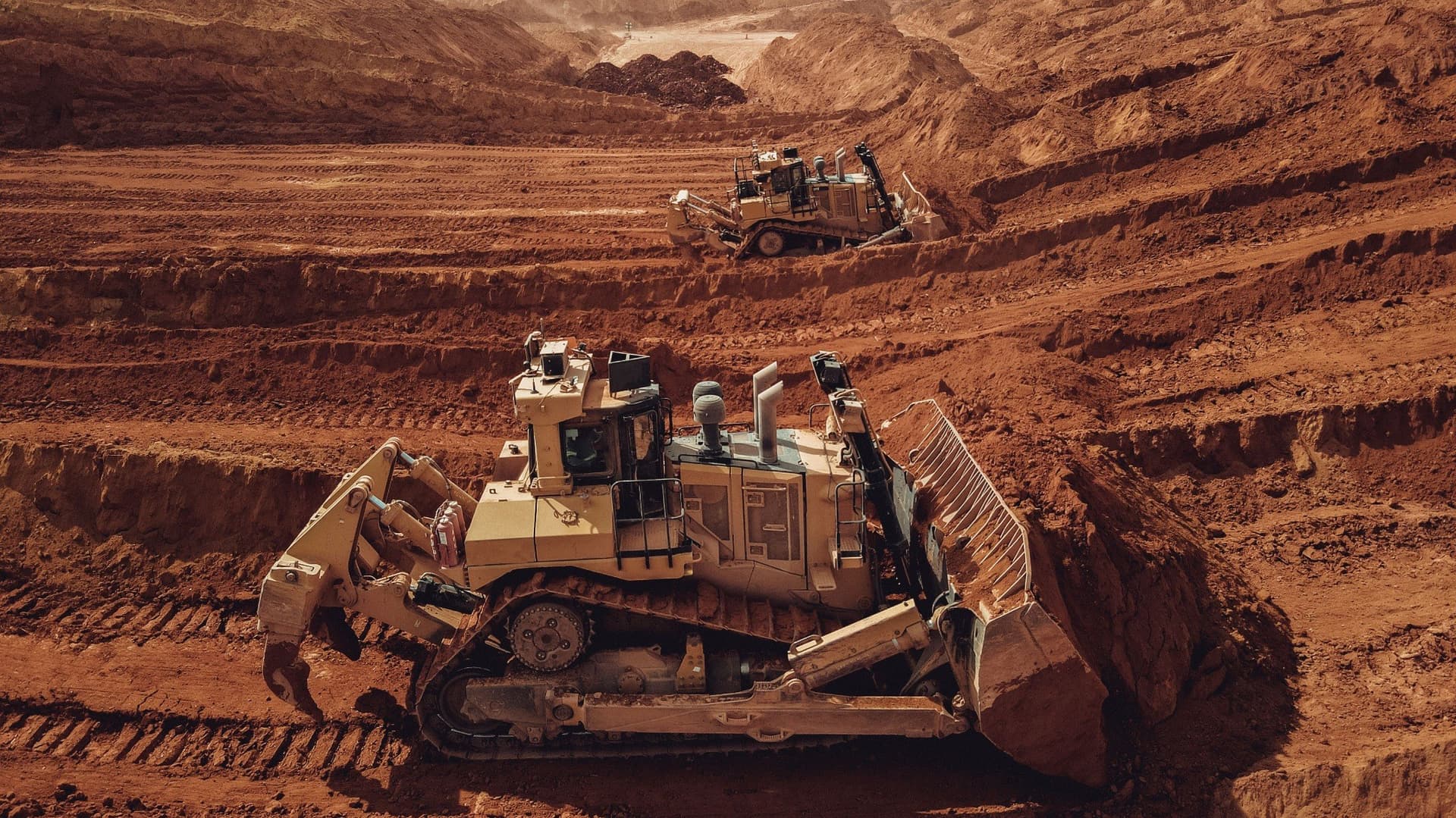

Vehicle Exhaust & Heavy Equipment Emission Testing Services
Vehicle Exhaust and Heavy Equipment Emission Testing
Measure exhaust emissions. Identify performance concerns. Support cleaner fleet and equipment operations.
Environmental Testing and Laboratories Company (ETLCO) provides exhaust emission testing for vehicles, forklifts, and heavy equipment to help organisations assess emission levels, investigate operational concerns, and support environmental management.
Since 2009, ETLCO has supported industrial testing and monitoring programmes with measurement approaches tailored to the emission source, operating conditions, and project requirements.
Our services provide data to evaluate exhaust emissions, compare results with applicable assessment criteria, and guide maintenance or further investigation.
Emission Testing for Your Fleet and Equipment
Exhaust emissions can vary with fuel type, engine condition, operating load, and the performance of emission control systems. Testing under documented conditions helps clients understand these variations and establish a basis for comparison.
ETLCO develops testing programmes for sources such as:
Vehicles and commercial fleets: Assess selected exhaust pollutants and investigate changes in emission performance.
Fuel-powered forklifts: Evaluate exhaust emissions from equipment operating in warehouses, loading areas, and industrial facilities.
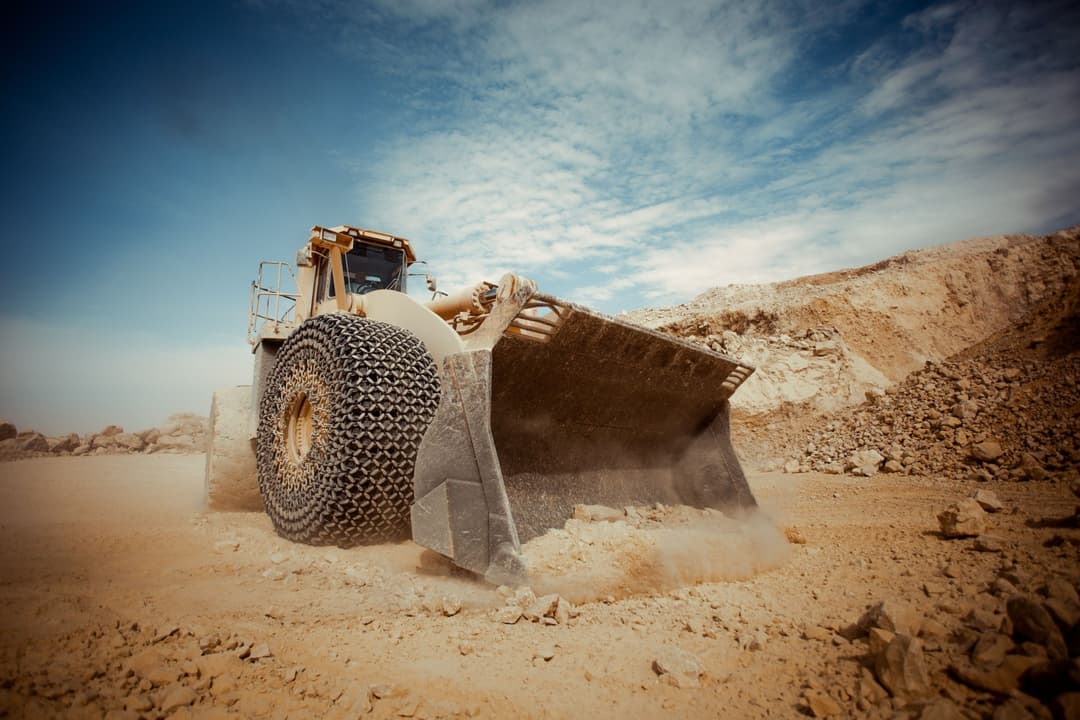
Heavy construction equipment: Assess emissions from excavators, loaders, cranes, and other engine-powered machinery.
Industrial mobile equipment: Support monitoring programmes for equipment used in manufacturing, logistics, and site operations.
Other engine-driven sources: Confirm testing arrangements according to the equipment configuration and required methods.
The scope is agreed after reviewing the equipment inventory, fuel types, operating arrangements, and purpose of the assessment.
Key Exhaust Emission Parameters
ETLCO’s testing scope can include the following parameters, subject to confirmation of the appropriate method, equipment, and reporting requirements.
Carbon Dioxide — CO₂
CO₂ measurements help characterise combustion exhaust. Where total emissions or a carbon footprint are required, concentration data must be considered alongside suitable fuel consumption, exhaust flow, operating time, or other relevant activity data.
Sulfur Dioxide — SO₂
SO₂ testing supports the assessment of sulfur-related exhaust emissions where relevant to the fuel and emission source.
Nitrogen Oxides — NOₓ
NOₓ measurements support the evaluation of combustion-related emissions and comparisons between defined operating conditions.
Volatile Organic Compounds — VOCs
Testing can assess selected organic compounds or a method-defined aggregate measurement. The target compounds and reporting basis are specified according to the assessment objective.
Particulate Matter — PM
Particulate testing supports the assessment of particles in engine exhaust using an appropriate sampling and measurement method.
Where smoke or opacity measurements are required, these are defined separately. Opacity results are not treated as a direct substitute for particulate mass measurements.
Practical Applications of Exhaust Testing
ETLCO’s services help fleet managers, contractors, equipment operators, and environmental teams obtain data that supports:
Baseline assessments: Establish emission measurements for selected equipment under documented conditions.
Maintenance investigations: Identify unusual results that may warrant mechanical inspection or further testing.
Before-and-after comparisons: Assess emission performance following servicing, repairs, or changes to emission control systems.
Fleet monitoring programmes: Review results across equipment groups using consistent testing conditions.
Environmental assessments: Provide source emission data for wider environmental studies.
Client and project requirements: Document testing undertaken against agreed specifications and acceptance criteria.
Testing results support maintenance decisions but do not replace a mechanical diagnosis of engine or equipment faults.
Forklift Exhaust and Workplace Air Quality
Exhaust from fuel-powered equipment can affect air quality in enclosed or partially enclosed workplaces.
ETLCO can coordinate exhaust testing with a separately defined workplace air monitoring programme to help clients assess both the emission source and conditions in occupied areas.
This approach can support investigations involving:
Warehouses and distribution centres.
Loading bays and covered work areas.
Workshops and maintenance facilities.
Industrial buildings using fuel-powered mobile equipment.
Tailpipe measurements characterise exhaust at the source. Personal or area air sampling is required when the objective is to assess worker exposure or workplace concentrations.
Ventilation and AC Exhaust Assessment
Air-conditioning and ventilation discharge assessments require a different approach from engine exhaust testing.
Where a project includes AC or ventilation exhaust systems, ETLCO can review the discharge source, potential contaminants, and monitoring objectives to define a suitable air sampling scope. This work is addressed separately from vehicle and heavy equipment combustion emissions.
Supporting Applicable Requirements and Testing Methods
ETLCO develops each testing programme around the requirements relevant to the equipment, site, and intended use of the results.
The scope may consider applicable National Center for Environmental Compliance (NCEC) requirements, facility permit conditions, client specifications, and project-specific environmental criteria.
Relevant US EPA methods may be used where suitable for the source and assessment. OSHA methods or occupational exposure criteria may inform a separately defined workplace exposure assessment where applicable or agreed.
The test method, operating conditions, measurement units, and comparison criteria are established before testing. Environmental emission limits and occupational exposure limits are assessed on their respective bases.
From Equipment Review to Technical Reporting
ETLCO coordinates testing with site teams to support safe access and representative operating conditions.
Review the equipment inventory: Confirm equipment types, engine details, fuel, exhaust configuration, and testing objectives.
Define the testing plan: Select parameters, methods, operating conditions, and assessment criteria.
Conduct field measurements: Test the agreed sources and document relevant engine and site conditions.
Review the data: Check measurement quality and assess the results within the agreed scope.
Prepare the report: Present findings, comparisons, limitations, and recommended follow-up actions.
Clear Reports for Operational Decisions
Depending on the project, reports may include:
Equipment identification and source descriptions.
Fuel type and operating conditions.
Test methods and measurement equipment.
Parameters measured, results, and units.
Relevant quality control information.
Comparison with agreed limits or benchmarks.
Observations and recommendations for further investigation or repeat testing.
Results represent the equipment and operating conditions assessed. Any requirement for statutory vehicle inspection, type approval, or formal certification must be identified separately during scope review.
Discuss Your Vehicle and Equipment Testing Requirements
Send ETLCO your site location, equipment list, fuel types, required pollutants, and preferred testing schedule. Include available engine specifications, expected operating loads, exhaust access details, and any applicable project requirements.
Our team will review your needs and prepare a technical and commercial proposal tailored to your fleet and equipment.