 English
 العربية
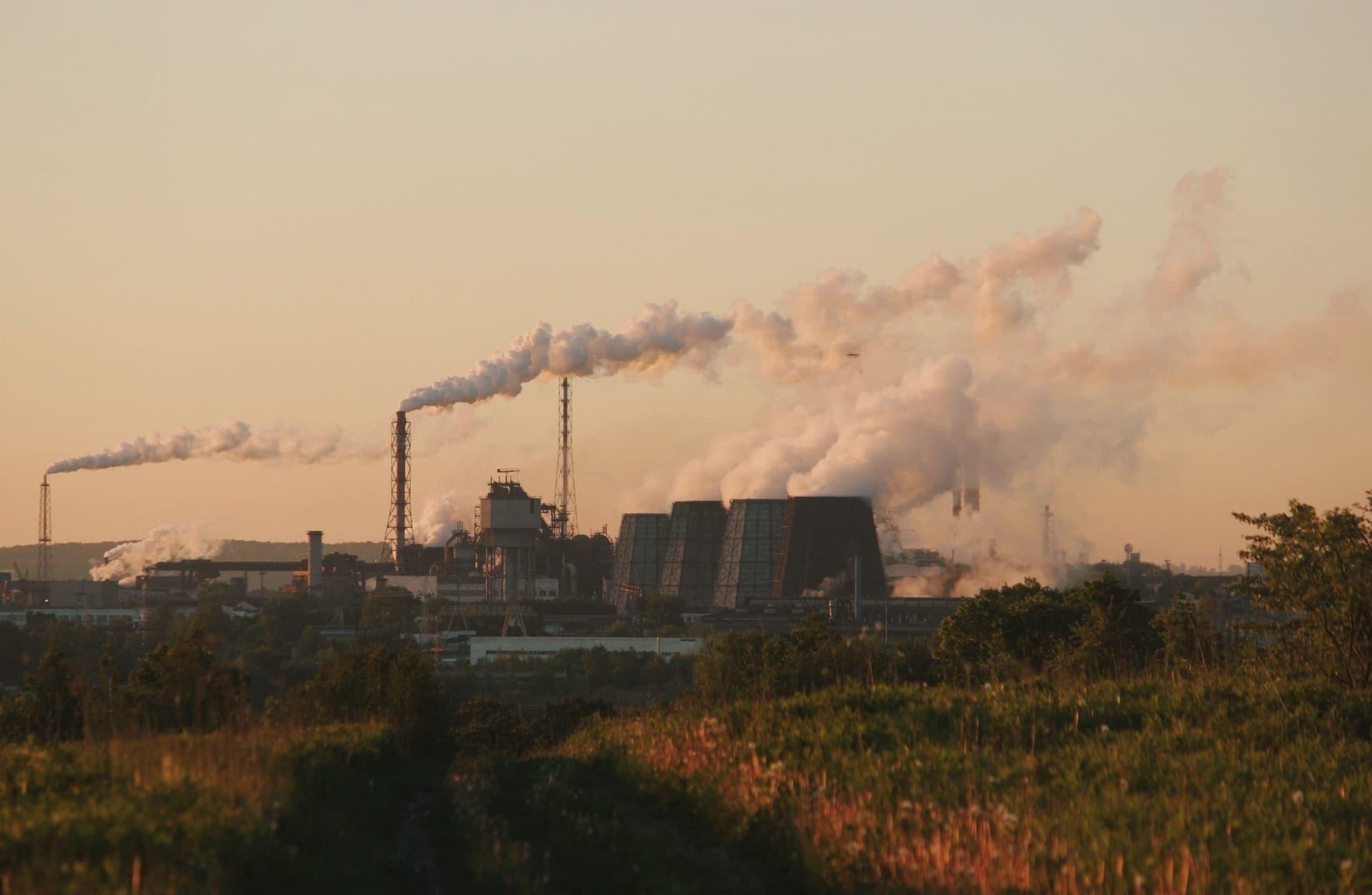
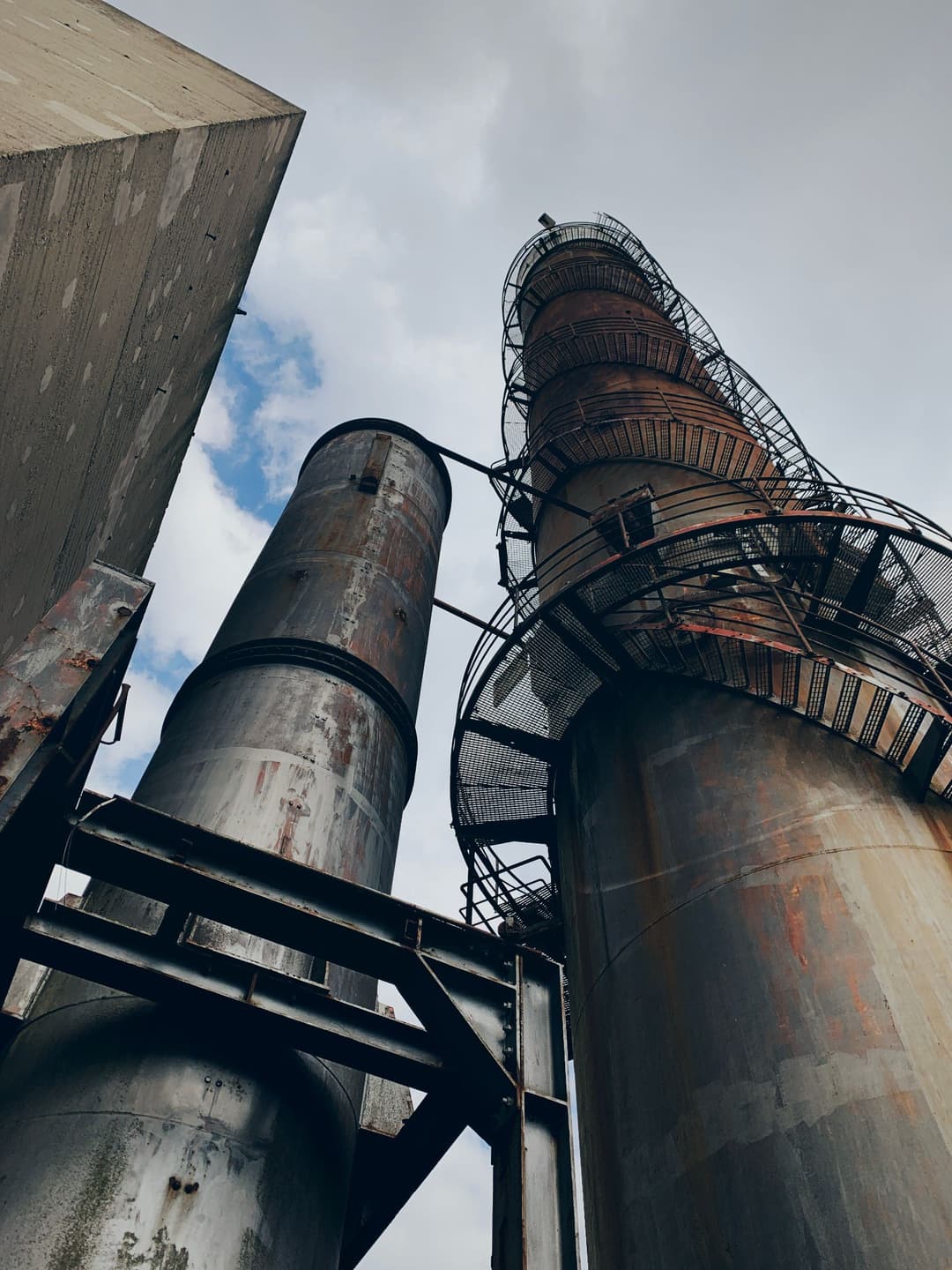
Stack Emission Testing
Stack Emission Testing and Monitoring
Measure emissions. Evaluate control performance. Support NCEC and Royal Commission compliance.
Environmental Testing and Laboratories Company (ETLCO) provides source stack emission testing to help industrial facilities measure air pollutants, assess emission control systems, and support environmental reporting.
Since 2009, ETLCO has supported emission monitoring programmes using advanced Continuous Emission Monitoring (CEM) analyzers integrated into fully equipped mobile laboratory stations.
Our testing programmes use applicable United States Environmental Protection Agency (US EPA) methods and are tailored to the emission source, operating conditions, target pollutants, and project requirements.
Supporting NCEC and Royal Commission Compliance
ETLCO’s stack emission testing services help industrial facilities assess compliance with the requirements of the National Center for Environmental Compliance (NCEC) and the Royal Commission for Jubail and Yanbu (RC), including applicable Royal Commission Environmental Regulations (RCER) and facility-specific environmental permit conditions.
Our services support:
-
Emission limit assessment: Compare measured emissions with applicable NCEC or Royal Commission limits.
-
Permit monitoring requirements: Plan testing parameters, methods, and schedules around the facility’s monitoring obligations.
-
Recognised testing methods: Apply relevant US EPA reference methods and methods specified by the responsible authority.
-
Regulatory reporting: Prepare technical reports documenting testing methods, operating conditions, results, and relevant quality assurance information.
-
Corrective action verification: Conduct follow-up testing after operational changes or improvements to pollution control systems.
Applicable requirements are reviewed during scope development, considering the facility’s location, industrial activity, emission sources, and governing authority. Project-specific contractual obligations, including WECA requirements where applicable, can also be incorporated into the agreed testing programme.
Source Stack Emission Testing
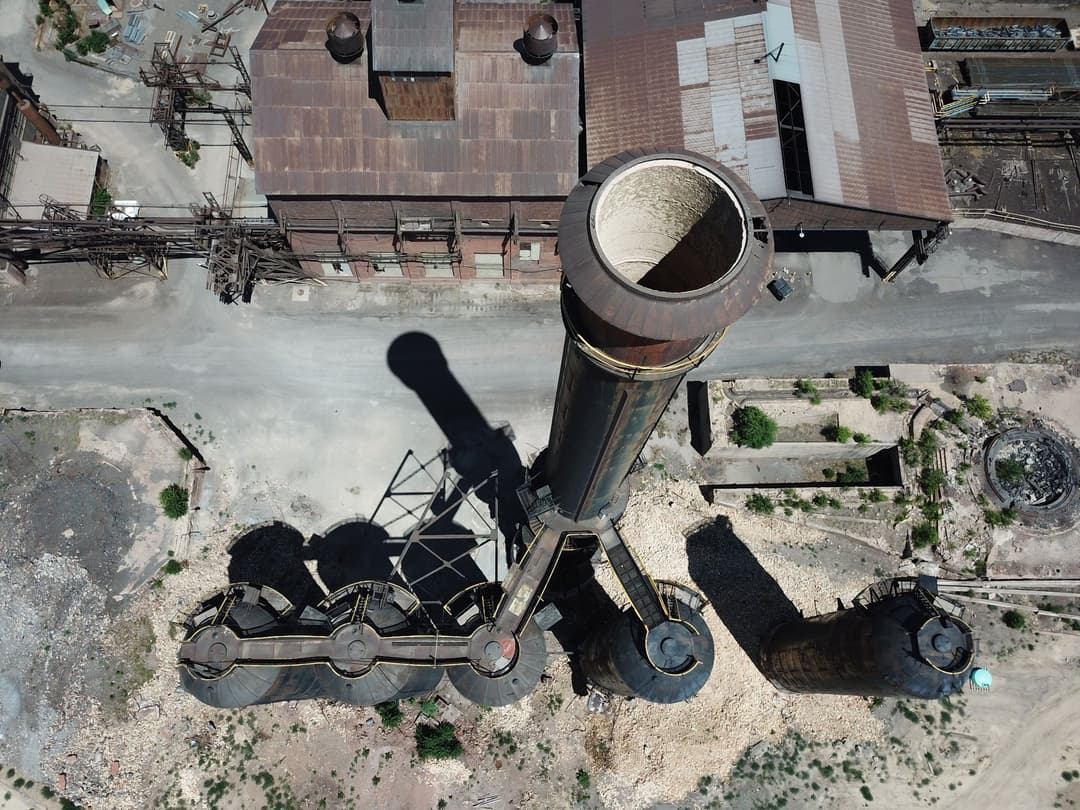
Understanding what your facility emits is essential for managing environmental performance. ETLCO provides measurements that help operators characterise emissions under defined operating conditions and evaluate the effectiveness of emission control measures.
Our stack testing services support:
-
Routine environmental monitoring and compliance assessment.
-
Evaluation of pollution control equipment.
-
Investigations into changes associated with fuels, feedstocks, or process conditions.
-
Performance testing during commissioning and following operational modifications.
-
Technical reviews and environmental reporting.
Each programme is developed around the required test methods, site conditions, and operational objectives.
Our Stack Emission Testing Capabilities
ETLCO’s capabilities cover a broad range of particulate, gaseous, metallic, and organic emission parameters. The final scope and sampling arrangements are confirmed for each project.
Particulate Emissions
-
Fine Particulate Matter (PM2.5).
-
Particulate Matter (PM10).
-
Total Particulate Matter (TPM).
Gaseous Pollutants and Organic Carbon
-
Sulfur Dioxide (SO₂).
-
Nitrogen Oxides (NOₓ).
-
Carbon Monoxide (CO).
-
Total Organic Carbon (TOC).
-
Hydrogen Sulfide (H₂S).
Acid Gases, Acid Mist, and Halogens
-
Sulfuric Acid Mist (H₂SO₄) and Sulfur Trioxide (SO₃).
-
Hydrogen Chloride (HCl).
-
Hydrogen Bromide (HBr).
-
Hydrogen Fluoride (HF).
-
Halogens, with target species and suitable methods confirmed during scope review.
Metals and Organic Pollutants
-
Heavy Metals and Toxic Metals.
-
Dioxins and Furans.
-
Polychlorinated Biphenyls (PCBs).
-
Polycyclic Aromatic Hydrocarbons (PAHs).
-
Per- and Polyfluoroalkyl Substances (PFAS).
-
Chlorinated Organic Compounds.
-
Volatile Organic Compounds (VOCs), including speciated VOCs.
-
Formaldehyde and Methanol.
Performance and Visible Emission Assessments
-
Destruction and Removal Efficiency (DRE).
-
Visible Emissions and Opacity.
Specialist parameters require project-specific confirmation of the sampling method, analytical scope, reporting limits, and site conditions.
RATA — Relative Accuracy Test Audit
Reliable Continuous Emission Monitoring Systems (CEMS) support ongoing emission measurement and reporting. ETLCO provides Relative Accuracy Test Audits (RATA) to compare CEMS measurements with reference-method results under the applicable testing requirements.
Our CEMS evaluation and associated quality assurance services include:
-
Relative accuracy testing: Compare CEMS data with concurrent reference-method measurements.
-
Seven-day calibration drift testing: Assess changes in instrument response over the specified test period.
-
Interference checks: Evaluate the effects of interfering components on measurement response.
-
Response time testing: Assess how quickly the monitoring system responds to changes in gas concentration.
-
Pre-audit CEMS inspection: Review system readiness and identify issues requiring attention before testing.
The required checks, test sequence, and acceptance criteria are established according to the monitoring system and applicable programme requirements.
PEMS — Predictive Emissions Monitoring Systems
Predictive Emissions Monitoring Systems (PEMS) estimate emissions using process data and mathematical models. Their suitability depends on the emission source, available operational data, and applicable regulatory or contractual requirements.
ETLCO can discuss PEMS-related monitoring requirements and define an appropriate scope of support, including the stack testing and reference measurements needed for model assessment or validation.
Coordinated Testing from Planning to Reporting
ETLCO works with facility teams to coordinate site access, operating conditions, and testing schedules.
Our approach includes:
-
Technical scope review: Confirm emission sources, target pollutants, test methods, and assessment criteria.
-
Site readiness assessment: Review sampling ports, platform access, utilities, and safety arrangements.
-
Field testing: Conduct the agreed measurements while documenting relevant operating conditions.
-
Data review and reporting: Present results, test conditions, and relevant observations, with comparison against agreed emission limits where included in the scope.
This coordinated approach helps clients prepare for testing and obtain results relevant to their operational and environmental objectives.
Discuss Your Stack Testing Requirements
Send ETLCO your facility location, number of stacks, process and fuel details, required pollutants, and applicable permit or project requirements. Include available information about stack dimensions, sampling ports, access platforms, and your preferred testing schedule.
Our team will review your requirements and prepare a tailored technical and commercial proposal.