

 English
 العربية
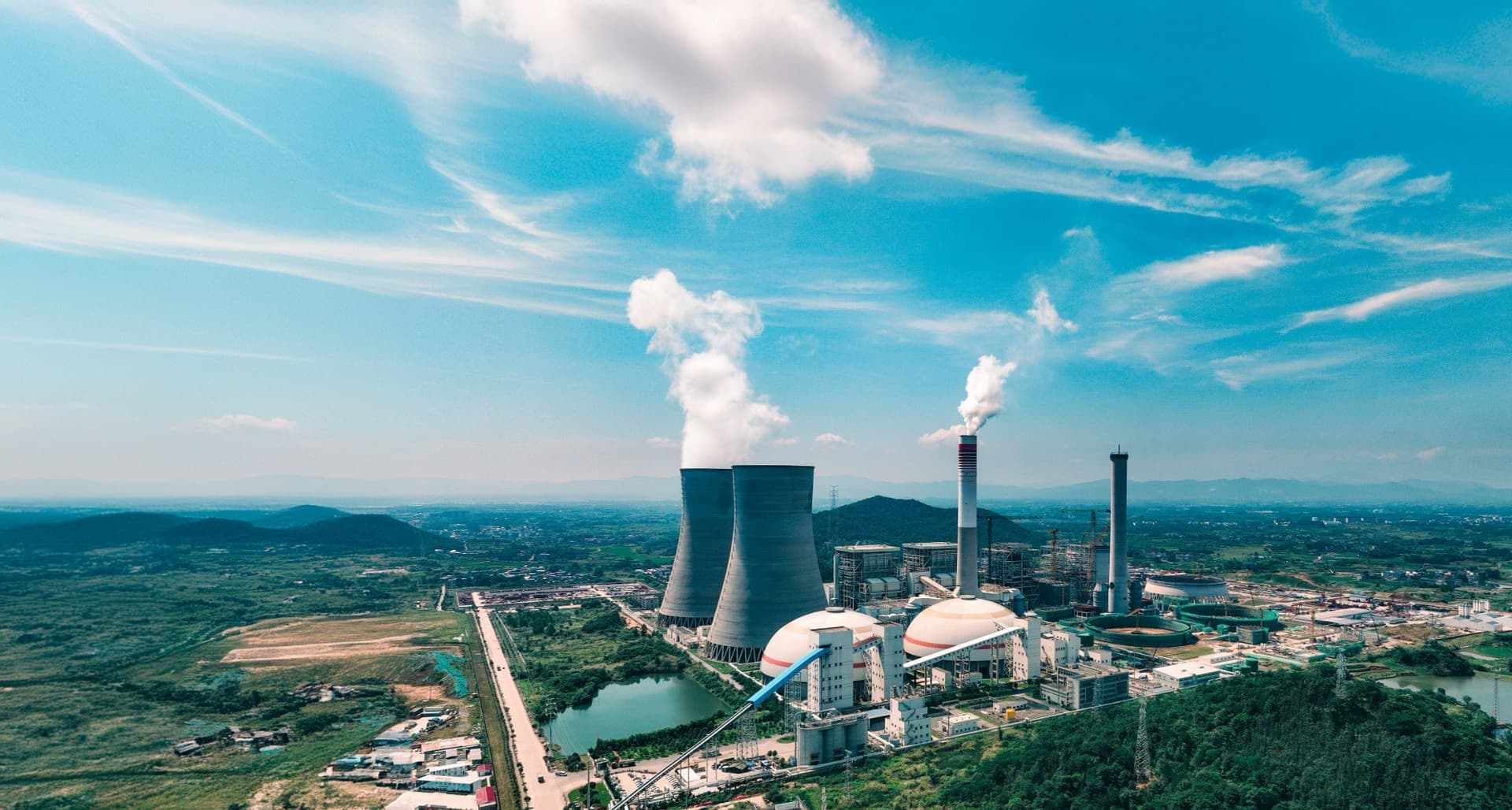
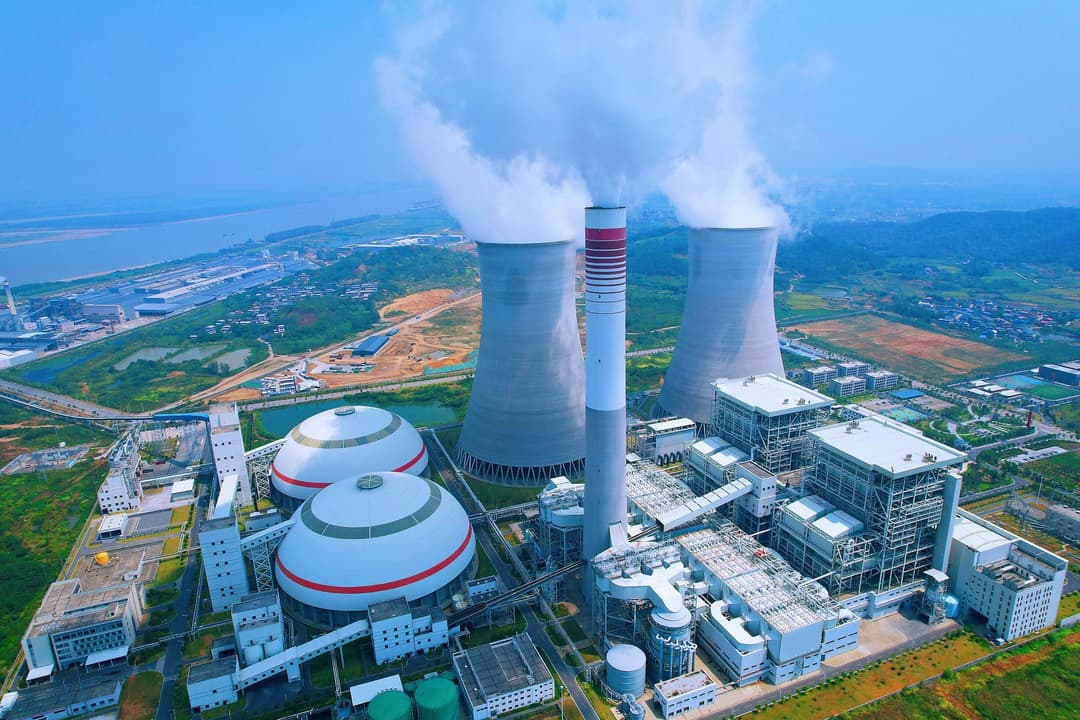
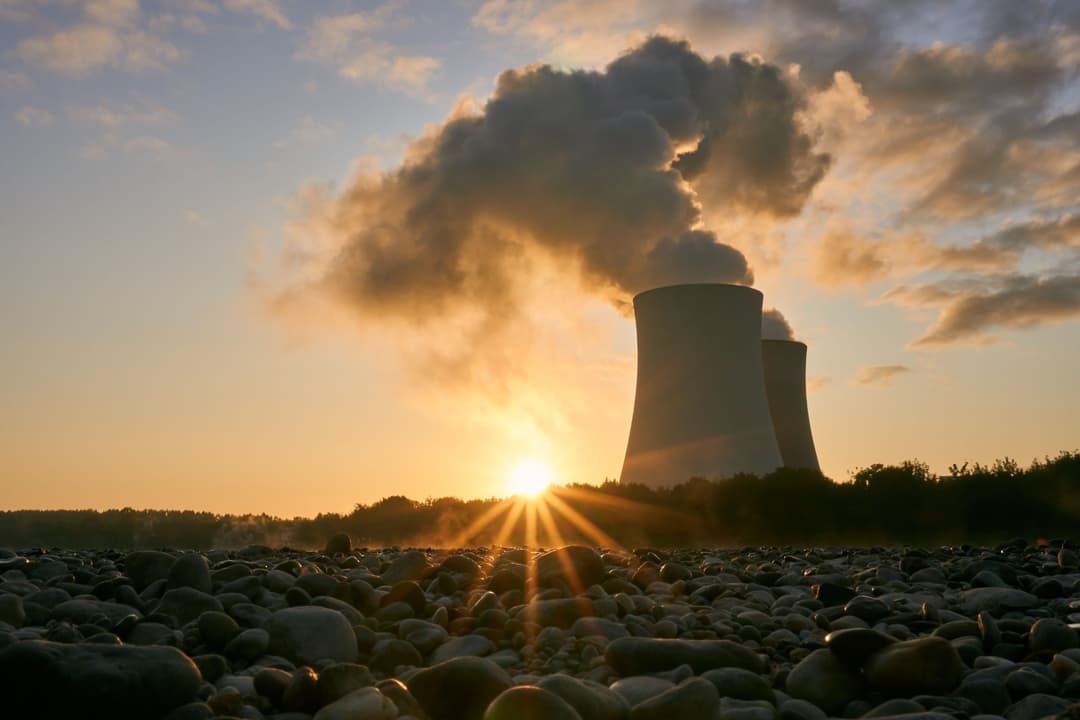
Cooling Tower Drift Loss Emission Test
Cooling Tower Drift Loss Testing
Measure droplet carryover, assess drift eliminator performance, and support better cooling tower operation.
ETLCO provides cooling tower drift loss testing to help industrial facilities and utility operators evaluate water droplets carried out of cooling towers with the discharge air.
Our testing services support performance assessments, commissioning checks, environmental investigations, and evaluation of drift control measures. Each assessment is tailored to the cooling tower design, operating conditions, access arrangements, and project requirements.
What Is Cooling Tower Drift?
Cooling tower drift consists of liquid water droplets entrained in the air leaving the tower. These droplets can carry dissolved salts, suspended solids, and treatment chemicals present in the circulating water.
Drift differs from evaporation: evaporation releases water as vapor, while drift carries liquid droplets out of the system. Visible plume formation alone does not establish the amount of drift loss.
Measuring drift helps operators understand droplet carryover and assess whether further investigation or corrective action is needed.
Why Conduct Drift Loss Testing?
A structured assessment provides evidence to support equipment performance reviews and environmental management.
Cooling tower drift testing can help clients:
Evaluate drift eliminator performance.
Assess performance against agreed supplier guarantees or project criteria.
Investigate suspected droplet carryover and nearby deposition.
Establish baseline performance before maintenance or upgrades.
Compare results before and after drift eliminator replacement.
Support assessments of water loss and associated emissions.
Document operating performance for technical and environmental reviews.
Our Cooling Tower Drift Testing Scope
ETLCO defines the test program with the client before fieldwork, taking account of the measurement objective and the conditions needed for representative results.
Depending on the agreed scope, services may include:
Review of cooling tower design and operating information.
Assessment of discharge geometry and available sampling access.
Selection of sampling locations and test conditions.
Field sampling and measurement using the agreed method.
Collection of relevant circulating water samples.
Recording of operating and environmental conditions.
Calculation and reporting of drift loss.
Comparison with agreed acceptance criteria.
Follow-up testing after maintenance or modifications.
Drift Loss Measurement and Reporting
Where supported by the selected method and available operating data, results may be expressed as a drift mass rate and as a percentage of circulating water flow.
The calculation basis, measurement units, operating data, and relevant limitations are documented so that clients can interpret the results correctly.
Where the project requires an estimate of pollutants carried by drift droplets, additional circulating water analysis and an agreed calculation approach may be included.
Assessing Drift Eliminator Performance
Drift eliminators are designed to reduce the escape of entrained water droplets. Testing can help assess their performance under the conditions recorded during the survey.
ETLCO’s findings can support investigations involving:
Suspected deterioration or damage.
Gaps, misalignment, or installation concerns.
Changes in operating conditions.
Performance following replacement or refurbishment.
Differences between cooling tower cells.
Any physical inspection of internal components is defined separately according to access, shutdown requirements, and the agreed scope.
Representative Testing Conditions
Meaningful results depend on documenting how the tower is operating during the test.
Relevant information may include:
Circulating water flow.
Number of operating cells.
Fan status and operating speed.
Cooling water temperatures.
Tower operating load.
Water quality and treatment conditions.
Ambient weather and wind conditions.
Recent maintenance or equipment changes.
ETLCO coordinates testing with the site team to establish suitable conditions and record factors that may affect the assessment.
Supporting Project and Environmental Requirements
ETLCO develops the test scope around applicable permit conditions, client specifications, and equipment performance requirements, including relevant NCEC or Royal Commission requirements where specified for the facility.
The test method, reporting basis, and acceptance criteria are agreed before mobilization. This helps ensure that the resulting data is suitable for the intended technical review.
Applications Across Industrial and Utility Facilities
Cooling tower drift loss testing supports:
Power generation facilities.
Refineries and petrochemical plants.
Chemical manufacturing facilities.
Industrial cooling water systems.
District cooling plants.
Large commercial and institutional cooling installations.
Testing can be planned for commissioning, routine performance assessment, troubleshooting, or verification after upgrades.
Clear Technical Reports
Depending on the agreed scope, ETLCO’s report may include:
Cooling tower and cell identification.
Test objectives and measurement method.
Sampling locations and test arrangements.
Recorded operating and weather conditions.
Measurement results and calculation basis.
Drift loss values in the agreed units.
Relevant water analysis results.
Comparison with project acceptance criteria.
Observations, limitations, and recommendations for follow-up.
These deliverables help operations, maintenance, and environmental teams assess performance and plan appropriate action.
Plan Your Cooling Tower Drift Loss Test
Share your facility location, cooling tower type, number of cells, circulating water flow, and available drawings. Include drift eliminator details, manufacturer performance guarantees, access arrangements, and any required test method or authority specification.
ETLCO will help define the testing scope and prepare a technical and commercial proposal tailored to your cooling tower system.