

 English
 العربية
Ambient Air Quality Monitoring Services
Ambient Air Quality Monitoring Services
Understand outdoor air quality, track pollutant trends, and support your environmental compliance objectives.
ETLCO provides ambient air quality monitoring services to help industrial facilities, developers, consultants, and project owners assess outdoor air conditions and evaluate changes over time.
Our monitoring programs support environmental baseline studies, routine surveillance, and assessments against applicable requirements of the National Center for Environmental Compliance (NCEC) and Royal Commission Environmental Regulations (RCER).
We select monitoring methods appropriate to the target pollutants and project requirements, including US EPA reference or equivalent methods where applicable. From defining the monitoring scope to reviewing results, ETLCO delivers data that supports informed environmental decisions.
Monitoring Designed Around Your Project
Outdoor air quality can be influenced by industrial operations, traffic, construction activities, windblown dust, and other nearby sources. A well-planned monitoring program helps establish existing conditions and identify patterns that require further investigation.
ETLCO’s services support:
Baseline air quality assessments before construction or operational changes.
Routine monitoring around industrial facilities and project sites.
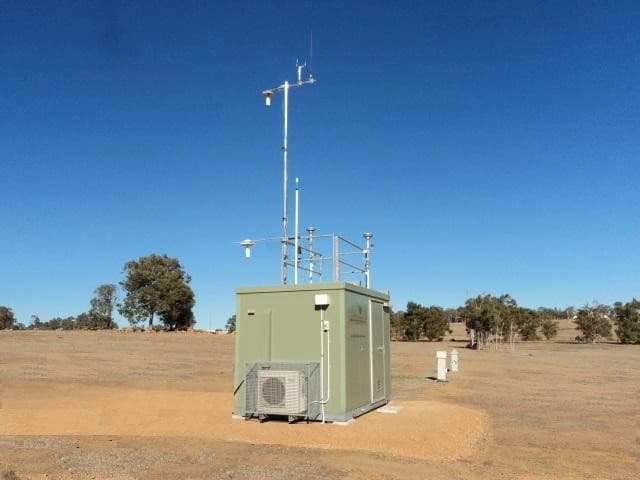
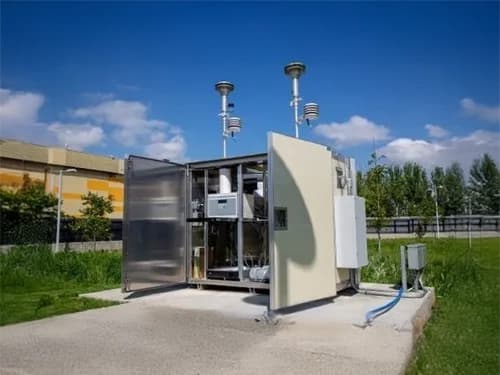
Monitoring at site boundaries and selected nearby receptor locations.
Environmental impact assessments and management programs.
Investigation of changes in pollutant concentrations.
Evaluation of air quality trends following control measures.
Environmental reporting and compliance reviews.
Ambient Air Quality Parameters
ETLCO offers monitoring for a broad range of gaseous pollutants, hydrocarbons, and airborne particulate matter. Parameters are selected according to the site’s activities, potential emission sources, and assessment objectives.
Nitrogen Dioxide — NO₂
Monitoring to assess ambient nitrogen dioxide concentrations where combustion sources, industrial operations, or traffic may influence outdoor air quality.
Sulfur Dioxide — SO₂
Measurement of ambient sulfur dioxide to support assessments near relevant industrial processes and fuel combustion sources.
Ozone — O₃
Monitoring of ground-level ozone to evaluate ambient concentrations and changes during the assessment period.
Carbon Monoxide — CO
Measurement of ambient carbon monoxide where vehicle movements, combustion equipment, or other relevant sources may affect air quality.
Volatile Organic Compounds — VOCs
Monitoring of VOC indicators selected to suit the project and expected emission sources, supporting investigations around industrial operations and facilities handling volatile materials.
Speciated VOCs
Targeted sampling and analysis to identify and quantify individual volatile organic compounds. This provides more detailed information than an overall VOC screening result.
Methane, Non-Methane, and Total Hydrocarbons
Measurement of methane, non-methane hydrocarbons, and total hydrocarbons, according to the selected method and monitoring configuration.
BTEX
Targeted analysis of benzene, toluene, ethylbenzene, and xylenes to support assessments involving fuel handling, petroleum storage, petrochemical activities, and other relevant sources.
Particulate Matter — PM2.5 and PM10
Monitoring of airborne particulate matter to assess conditions influenced by construction, material handling, traffic, industrial activities, and regional dust.
Hydrogen Sulfide — H₂S
Monitoring where wastewater treatment, waste management, petroleum operations, or other potential sources warrant assessment.
A Structured Approach to Air Quality Monitoring
ETLCO coordinates each program with the client to establish representative monitoring locations, suitable measurement periods, and clear reporting objectives.
Depending on the agreed scope, our approach includes:
Reviewing site activities and potential pollution sources.
Selecting pollutants and appropriate monitoring methods.
Identifying monitoring locations and assessment durations.
Considering nearby sensitive locations and relevant site constraints.
Recording available meteorological and operating information.
Reviewing data quality and documenting monitoring interruptions.
Presenting results against the agreed assessment criteria.
Monitoring duration and frequency are defined to match the study objectives and applicable averaging periods.
Interpreting Results in Context
A pollutant reading becomes more useful when considered alongside the conditions under which it was recorded.
ETLCO reviews results with relevant information such as nearby activities, operating schedules, and available wind data. This helps clients understand changes over time and identify periods that may warrant further investigation.
Where source attribution is required, additional monitoring or a separate assessment may be needed to distinguish contributions from different sources.
Supporting NCEC and Royal Commission Requirements
ETLCO develops monitoring scopes that support assessment against applicable NCEC requirements, RCER provisions, environmental permit conditions, and client specifications.
The selected pollutants, methods, monitoring periods, and reporting criteria are agreed before fieldwork. Results are compared with relevant limits using the appropriate units and averaging periods, where the monitoring coverage supports that comparison.
Our reports provide documented evidence to assist clients with environmental reviews and regulatory submissions.
Services for Industrial and Development Projects
ETLCO supports ambient air quality monitoring for:
Oil and gas facilities and refineries.
Petrochemical and manufacturing plants.
Power generation and utility facilities.
Construction and infrastructure projects.
Waste management and wastewater treatment facilities.
Ports, logistics areas, and transport-related developments.
Residential and commercial developments requiring baseline assessments.
Clear Reporting for Environmental Decisions
Depending on the agreed scope, deliverables may include:
Monitoring locations and site descriptions.
Sampling dates, durations, and measurement methods.
Pollutant concentrations and units.
Time-based trends and summary statistics.
Relevant meteorological and operational observations.
Data quality notes, coverage, and identified limitations.
Comparisons with applicable assessment criteria.
Findings and recommendations for follow-up monitoring.
These reports help environmental teams review performance, prioritize investigations, and maintain consistent monitoring records.
Plan Your Ambient Air Quality Monitoring with ETLCO
Share your project location, site activities, required pollutants, monitoring duration, and any permit conditions or authority requirements. Include a site layout and previous monitoring reports where available.
ETLCO will help define an appropriate monitoring program and prepare a technical and commercial proposal tailored to your project.